




What's Happening?
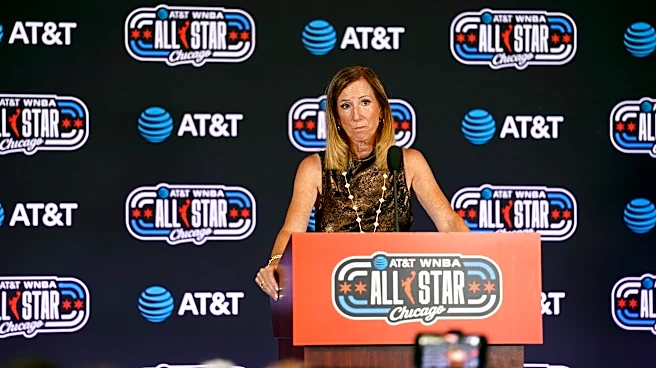
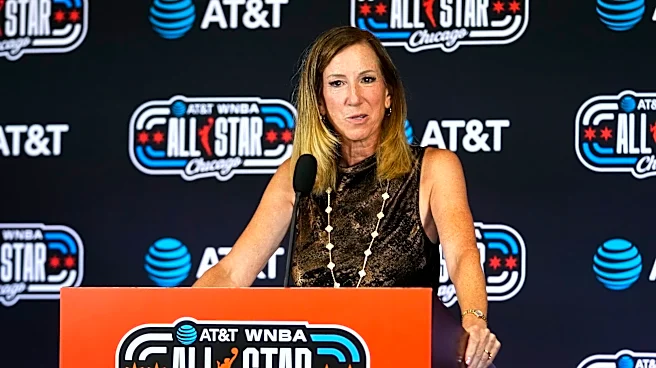
The Women's National Basketball Association (WNBA) has announced plans to establish a centralized replay center at the start of the 2027 season. This initiative, revealed by league commissioner Cathy Engelbert, aims to enhance the quality and consistency
of officiating in the league. The replay center will be located in Secaucus, New Jersey, sharing facilities with the NBA's existing replay center. This move is part of a significant investment by the WNBA to improve the officiating process, which has been a topic of concern in recent years. The new center will be directly connected to every WNBA arena, allowing for a seamless and efficient replay process. This development follows the establishment of a specialized task force to address officiating consistency and game physicality, which has been a contentious issue, particularly highlighted during the 2025 playoffs.
Why It's Important?
The introduction of a centralized replay center is a critical step for the WNBA in addressing long-standing concerns about officiating quality. By investing in this technology, the league aims to bring greater transparency and efficiency to the officiating process, which could enhance the overall quality of the game. This move is expected to benefit players, teams, and fans by ensuring fairer and more accurate game outcomes. The initiative also reflects the WNBA's commitment to leveraging technology to support its growth and improve the competitive experience. As the league continues to expand, such investments are crucial in maintaining the integrity and appeal of the sport.
What's Next?
The WNBA will need to upgrade many of its arenas to accommodate the new replay technology, as not all currently have the necessary camera angles. The league is finalizing operational details and implementing the required technologies across all venues. This project is expected to be completed in time for the 2027 season. Additionally, the league is considering the introduction of a Last Two Minute Report, similar to the NBA, to further enhance transparency in officiating. However, this has not yet been decided, as it would require significant resources.