





What's Happening?
Ryan Seacrest, a veteran host known for his roles on 'American Idol,' 'Wheel of Fortune,' 'Dick Clark’s New Year’s Rockin’ Eve,' and iHeartRadio shows, recently shared anecdotes about unexpected incidents occurring during live broadcasts. With nearly
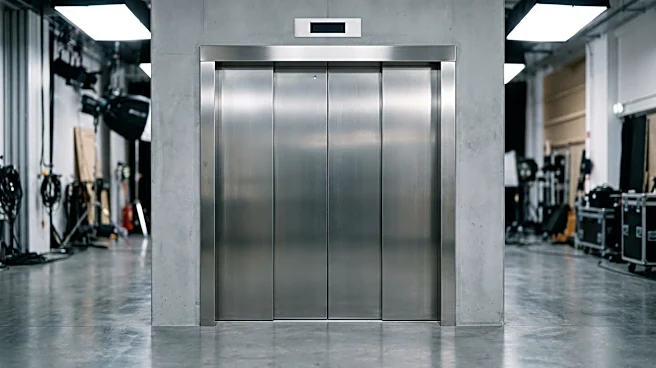
30 years in the hosting business, Seacrest has experienced various behind-the-scenes challenges. He specifically recalled a recurring problem with elevators, citing an instance during an 'American Idol' live show where he and contestants were trapped just two minutes before airtime. Another similar incident involved an elevator malfunction during 'Dick Clark’s New Year’s Rockin’ Eve' in 2017, preventing him from reaching the ball. Seacrest noted that such situations, including forgotten song lyrics by singers or late pop stars, are common in live television. He emphasized the importance of embracing these moments and learning to make them memorable, even suggesting bringing cameras to the elevator doors to start the show if necessary, though the 'American Idol' elevator issue was resolved in time.
Why It's Important?
These insights from Ryan Seacrest highlight the inherent unpredictability and high-pressure environment of live television production. For the entertainment industry, particularly shows with live broadcasts like 'American Idol,' these behind-the-scenes challenges underscore the need for quick thinking, adaptability, and robust contingency planning. The ability of hosts and production teams to manage unforeseen technical glitches or human errors directly impacts the viewer experience and the show's reputation. Seacrest's approach of embracing these moments and considering how to integrate them into the broadcast demonstrates a strategic mindset that can turn potential disasters into engaging, memorable content. This perspective is crucial for maintaining audience engagement and the seamless flow of live programming, which is a significant component of the U.S. entertainment landscape, influencing advertising revenue and network viewership.
What's Next?
As 'American Idol' prepares for its 25th season, with Ryan Seacrest confirmed to return, the production teams will likely continue to refine their contingency plans for live broadcasts. Seacrest's experiences serve as valuable lessons for future live events, emphasizing the need for thorough technical checks and flexible protocols. The show's move to Georgia for its 25th season, as mentioned by Seacrest, suggests new logistical considerations and potential for different types of behind-the-scenes challenges. The ongoing nature of live television means that such incidents are inevitable, and the industry will continue to rely on experienced professionals like Seacrest to navigate them. Viewers can anticipate more seamless productions, but also the occasional, potentially entertaining, on-air recovery from unexpected issues, which often become talking points for the audience.
Beyond the Headlines
Seacrest's reflections on his career also touch upon broader themes of professionalism and resilience in the entertainment industry. His admission of focusing too much on perfection early on, coupled with his disciplined diet and exercise routine stemming from childhood bullying, reveals the personal pressures and motivations that drive public figures. This personal narrative adds a layer of depth to his professional persona, illustrating how personal experiences can shape one's approach to a demanding career. The ability to adapt and find humor or opportunity in unexpected situations, as Seacrest describes, is a valuable skill not just in live television but in many high-stakes professions. This human element behind the polished facade of television highlights the psychological demands placed on those in the public eye and the strategies they employ to maintain their composure and performance.