






What's Happening?
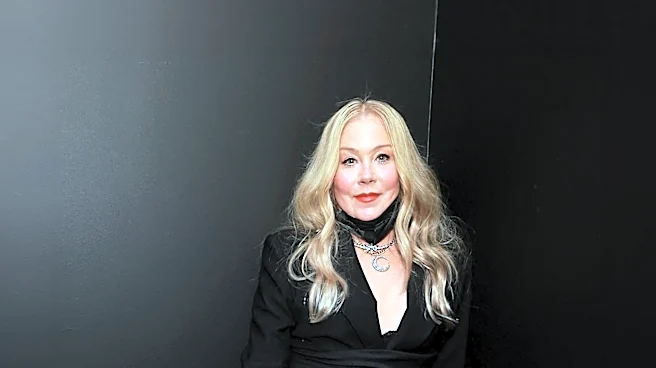
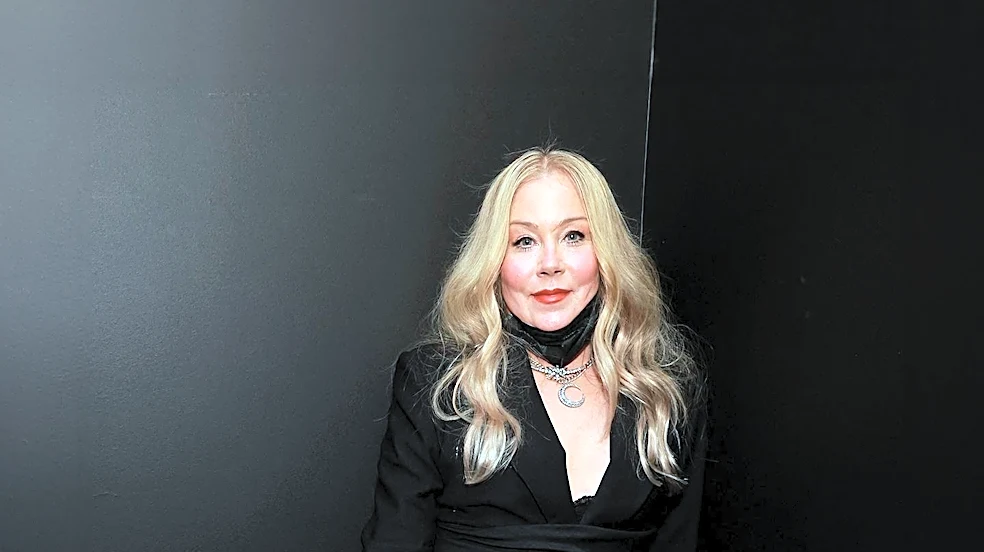
The cohosts of 'The View'—Whoopi Goldberg, Sara Haines, Ana Navarro, and Sunny Hostin—criticized Megyn Kelly for her comments regarding actress Christina Applegate's misdiagnosis of Multiple Sclerosis (MS). Kelly, on her eponymous talk show, alleged that
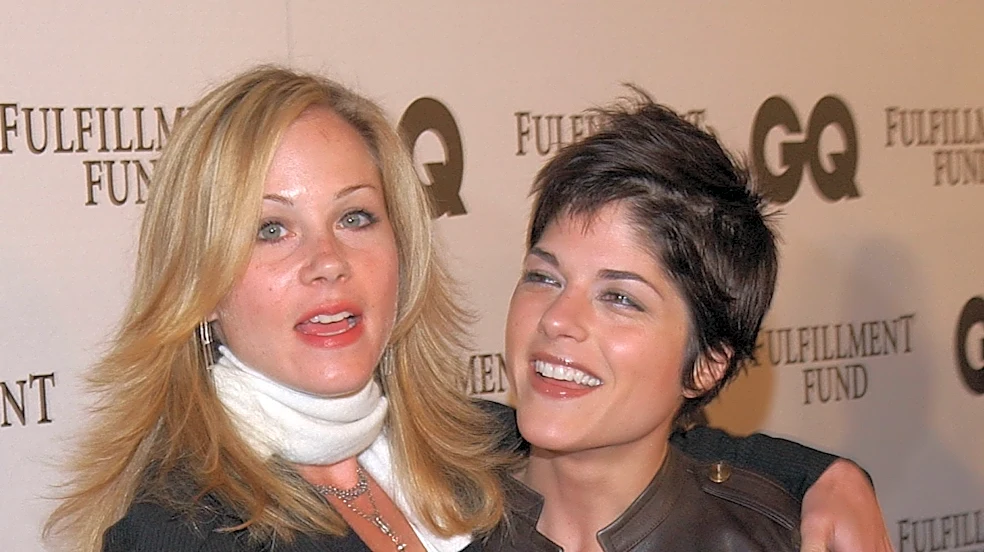
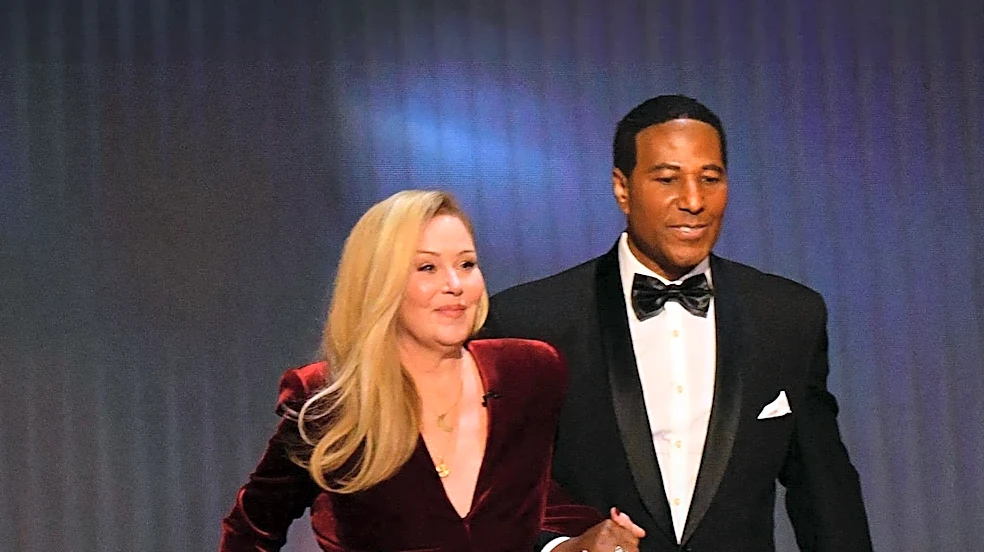
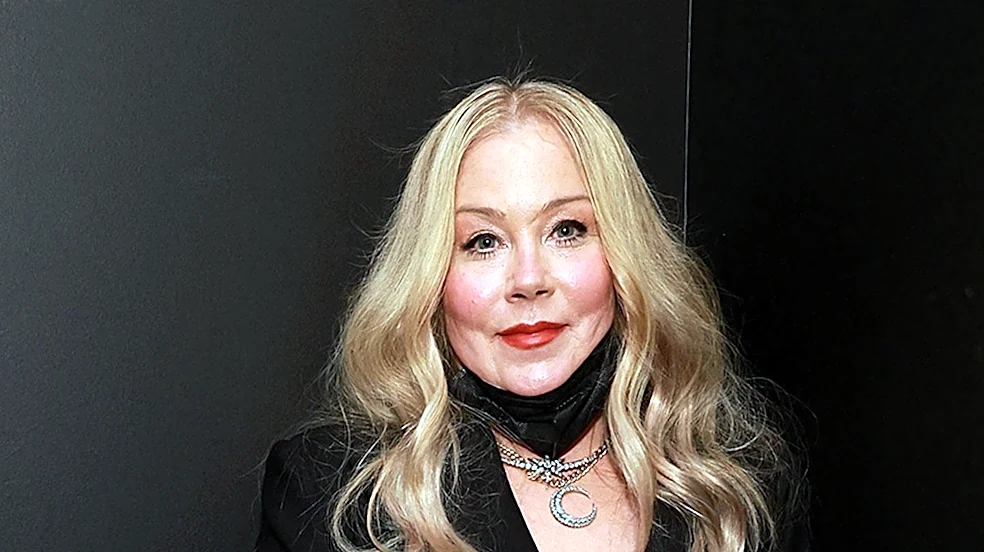
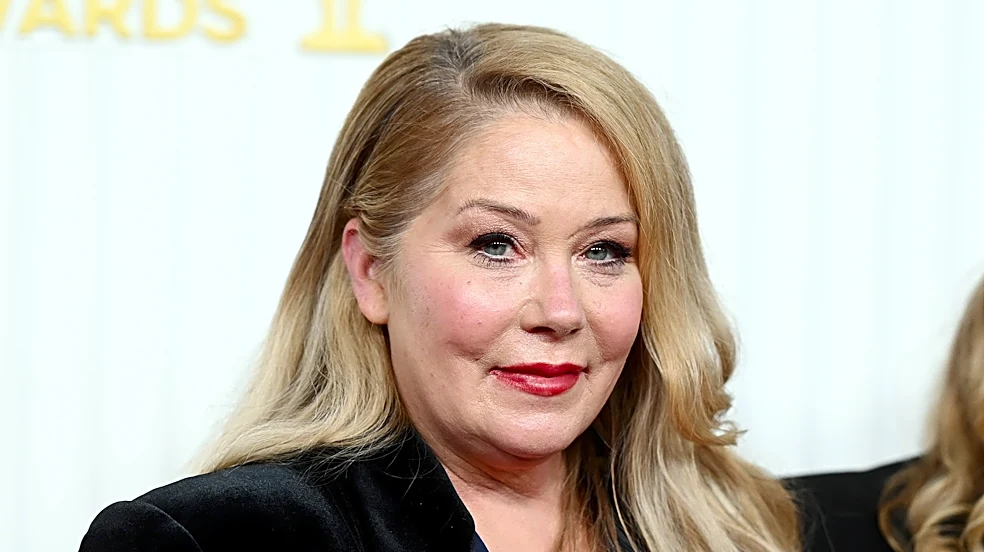
Applegate must be 'crying now because I guess she no longer gets to be the face of this disease,' and described Applegate's health journey as a 'wild goose chase.' 'The View' hosts strongly condemned Kelly's remarks. Whoopi Goldberg questioned Kelly's empathy, asking, 'So, let me ask you, ma’am, you think Christina wanted to have MS so she could have a good time? Are you crazy?' Sara Haines called Kelly a 'bully' who 'sold her soul for politics,' and stated that Kelly had 'sunk so low.' Ana Navarro described Kelly as 'a fungus that thrives on oxygen that she gets by purposely creating outrage,' while Sunny Hostin labeled her 'an ugly person.' Applegate had previously revealed her MS diagnosis in 2021 and became an advocate for the disease, only to discover recently through new technology that she was misdiagnosed, leaving her feeling 'back at square one' and 'like I let everybody down.'
Why It's Important?
This public dispute between 'The View' hosts and Megyn Kelly highlights a significant cultural and ethical debate surrounding public figures' health struggles and media commentary. Kelly's comments, perceived as insensitive and accusatory, sparked outrage because they appeared to question the sincerity of Applegate's advocacy and personal suffering. This incident underscores the responsibility of media personalities to approach sensitive topics, especially those involving health and personal vulnerability, with empathy and accuracy. 'The View' hosts' strong condemnation reflects a broader societal expectation for compassion and support for individuals facing health challenges, rather than skepticism or derision. The use of terms like 'bully' and 'fungus' by 'The View' cohosts indicates the depth of their disapproval and the perceived ethical breach by Kelly. This event also brings to light the pressures on public figures who become advocates for diseases, and the emotional toll when their own health narratives evolve, as seen in Applegate's feeling of 'letting everybody down' after her misdiagnosis. The controversy serves as a reminder of the impact of media rhetoric on individuals and public perception of health issues.
What's Next?
The public backlash against Megyn Kelly's comments, amplified by 'The View' hosts, could lead to increased scrutiny of her future commentary, particularly on sensitive personal and health-related topics. This incident may also prompt broader discussions within media circles about the ethical boundaries of journalistic and talk show commentary, especially when discussing the health struggles of public figures. For Christina Applegate, the public support from 'The View' hosts might offer some solace as she navigates her misdiagnosis and continues to process her health journey. The controversy could also reinforce the importance of accurate medical information and the challenges individuals face when dealing with complex health conditions. It is likely that other media personalities and advocacy groups will continue to weigh in on the debate, further shaping public opinion on empathy, media responsibility, and the treatment of individuals with chronic illnesses. The long-term impact could be a heightened awareness of the need for compassionate and informed discourse in public forums.
Beyond the Headlines
The clash between 'The View' hosts and Megyn Kelly over Christina Applegate's MS misdiagnosis delves into deeper societal issues concerning empathy, public vulnerability, and the ethics of media commentary. Kelly's remarks, which questioned Applegate's motives for advocacy, touch upon a cynical undercurrent in public discourse that often doubts the authenticity of celebrity experiences, particularly when they involve illness. This skepticism can be deeply damaging, as it undermines the efforts of individuals who use their platforms to raise awareness and support for important causes. 'The View' hosts' strong defense of Applegate highlights a counter-narrative that champions empathy and solidarity, emphasizing the human element of suffering and the courage required to share personal health battles. The incident also exposes the fine line between critical commentary and outright insensitivity, prompting a re-evaluation of what constitutes responsible journalism and public discourse. This debate reflects a broader cultural struggle to navigate compassion in an increasingly polarized and often harsh media environment, with implications for how society treats those who are vulnerable and how public figures are expected to behave.