




What's Happening?
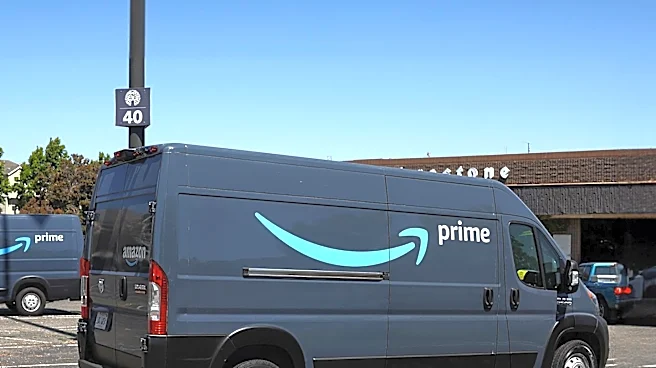
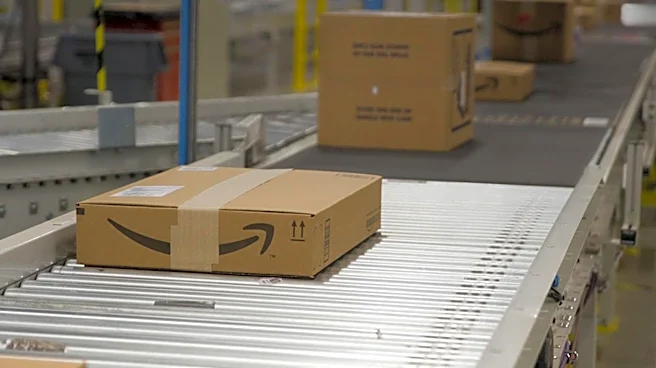
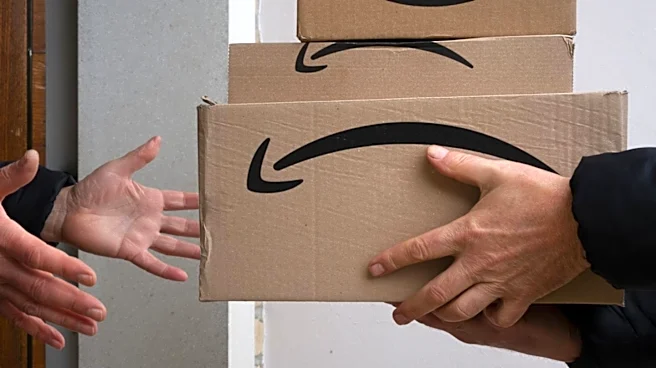
Amazon is now offering U.S. merchants the ability to provide no-cost Prime delivery on their own third-party websites. This initiative is part of Amazon's Multichannel Fulfillment (MCF) service, allowing businesses to leverage Amazon's logistics network
to offer Prime shipping benefits directly from their e-commerce platforms. Merchants will not incur additional fees beyond the standard MCF charges for this service. The move aims to enhance customer satisfaction for third-party sites by extending the convenience and speed associated with Prime delivery, potentially boosting sales for these businesses. This expansion signifies Amazon's strategy to further integrate its fulfillment capabilities across the broader e-commerce landscape.
Why It's Important?
This development is significant for the U.S. e-commerce industry, particularly for small and medium-sized businesses that may struggle to compete with the shipping speeds and costs offered by larger retailers. By enabling Prime delivery on third-party sites, Amazon is effectively extending its logistical prowess to a wider array of merchants, potentially leveling the playing field in terms of shipping efficiency. This could lead to increased sales and customer loyalty for participating businesses, as consumers are often swayed by fast and free shipping options. For Amazon, it strengthens its position as a dominant force in logistics and fulfillment, further embedding its services into the operational fabric of online retail. It also presents a strategic move to attract more merchants to its MCF program, solidifying its ecosystem.
What's Next?
U.S. merchants are now encouraged to explore and integrate Amazon's Multichannel Fulfillment service to offer Prime delivery on their websites. This will involve assessing their current logistics strategies and determining how best to capitalize on the cost-saving opportunities and expanded market reach provided by Amazon's network. The adoption rate of this service by third-party sellers will be a key indicator of its success and impact. Competitors in the logistics and e-commerce sectors will likely monitor this development closely, potentially leading to similar offerings or counter-strategies to retain their market share. Consumers can anticipate a more consistent and expedited delivery experience across a wider range of online stores, further solidifying expectations for rapid shipping.
Beyond the Headlines
This initiative represents a deeper strategic play by Amazon to become an indispensable backbone of online retail, not just a marketplace. By offering its fulfillment services to external websites, Amazon is effectively creating a more pervasive presence across the entire e-commerce ecosystem. This could lead to increased data insights for Amazon regarding broader consumer purchasing patterns and logistical demands, further refining its operational efficiencies. However, it also raises questions about potential market concentration and the reliance of smaller businesses on a single dominant platform for their core operations. The long-term implications could include a shift in how e-commerce businesses manage their supply chains and customer expectations, potentially leading to a more standardized, Amazon-centric delivery experience across the internet.