






What's Happening?
Healthcare facilities are increasingly turning to high-grade refurbished medical equipment as a solution to upgrade aging clinical technology while managing tighter capital budgets. This approach allows hospitals, clinical administrators, and surgical
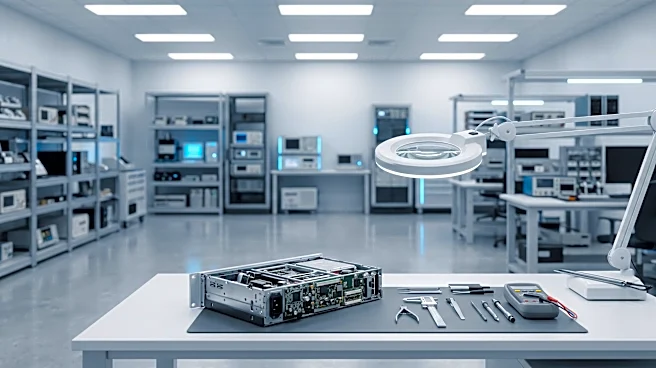
center managers to acquire industry-standard systems, such as diagnostic imaging suites and critical care monitoring devices, at 40% to 70% below original equipment manufacturer (OEM) retail prices. Unlike uninspected 'as-is' used equipment, certified refurbished medical devices undergo a rigorous process. This includes decontamination, thorough inspection by certified biomedical technicians, recalibration to original manufacturer specifications, and updates with required firmware. These systems are also backed by comprehensive warranties, ensuring clinical accuracy, diagnostic confidence, and regulatory compliance for patient care. High-demand categories for refurbished equipment include diagnostic imaging and mobile C-Arms, vital signs and patient monitors, endoscopy towers and surgical visualization tools, and clinical laboratory analyzers.
Why It's Important?
The adoption of refurbished medical equipment has significant implications for the U.S. healthcare industry. It enables healthcare providers to expand service lines, upgrade multiple treatment rooms, or establish clinical redundancies within existing capital expenditure budgets, which is crucial in an environment of mounting financial pressures. By reducing the cost of acquiring essential medical technology, facilities can allocate resources more effectively, potentially leading to improved patient care access and quality. The emphasis on certified refurbishment ensures that these cost savings do not come at the expense of safety or performance, as devices are recalibrated and tested to meet stringent standards. This trend also supports a more sustainable approach to medical equipment procurement by extending the lifecycle of valuable assets, reducing waste, and offering a viable alternative to purchasing new, often expensive, machinery.
What's Next?
The market for certified refurbished medical equipment is expected to continue growing as healthcare facilities seek cost-effective solutions without compromising quality. This will likely lead to increased demand for specialized refurbished medical equipment suppliers who can provide reliable inventory across core clinical modalities. Furthermore, the importance of proactive, certified servicing and biomedical equipment maintenance will become even more critical to protect these investments, minimize clinical downtime, and ensure compliance with state board and Joint Commission (JCAHO) inspections. Facilities will also continue to explore structured medical equipment asset disposition and buyback programs to safely liquidate surplus assets, recover fair market residual value, and offset the cost of new equipment purchases, further integrating refurbished equipment into their long-term capital planning strategies.
Beyond the Headlines
Beyond the immediate financial benefits, the shift towards refurbished medical equipment highlights a broader evolution in healthcare procurement and sustainability. It underscores a growing recognition that high-quality medical care does not always necessitate brand-new, top-of-the-line equipment, especially when certified refurbished options offer comparable performance and safety. This trend could foster greater innovation in equipment maintenance and refurbishment technologies, creating new specialized jobs and expertise within the biomedical field. Ethically, it promotes responsible resource management and reduces the environmental footprint associated with manufacturing and disposing of medical devices. Culturally, it may challenge traditional perceptions of 'new' versus 'used' in a critical sector like healthcare, emphasizing value, reliability, and sustainability as key decision-making factors.