


What's Happening?
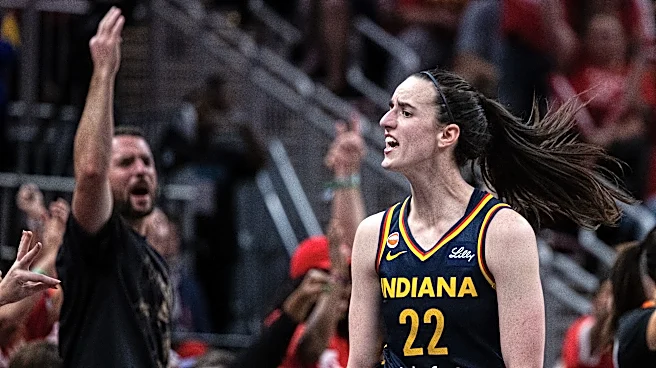
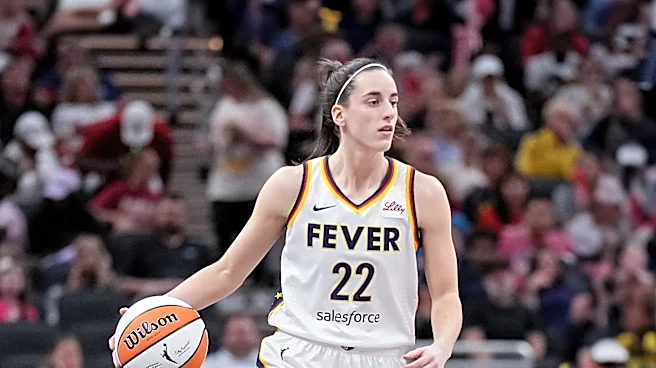
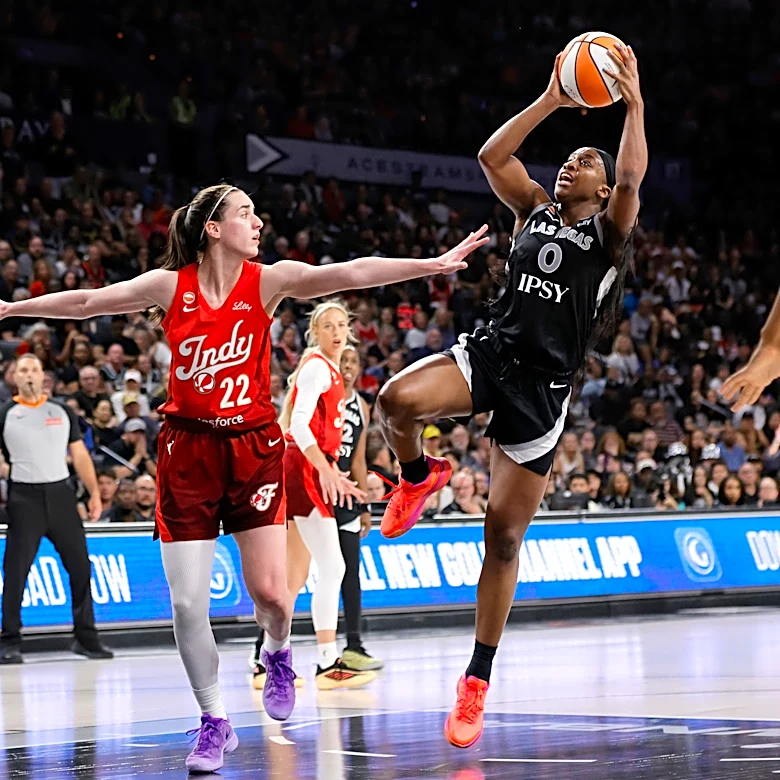
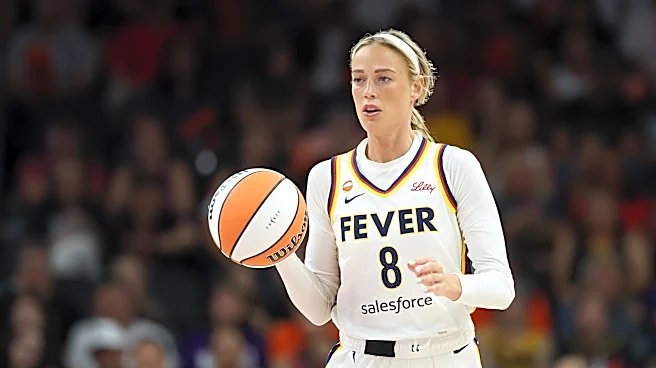
USA Today columnist Christine Brennan is facing criticism for her singular focus on Caitlin Clark, an All-Star guard for the Indiana Fever, in her WNBA commentary. Brennan, who has authored a book about Clark, is accused of viewing the entire league through
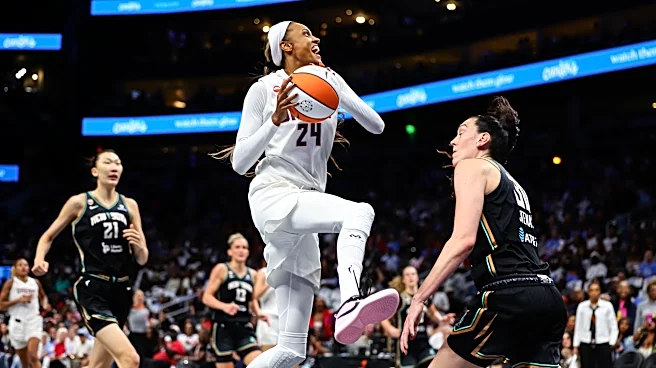
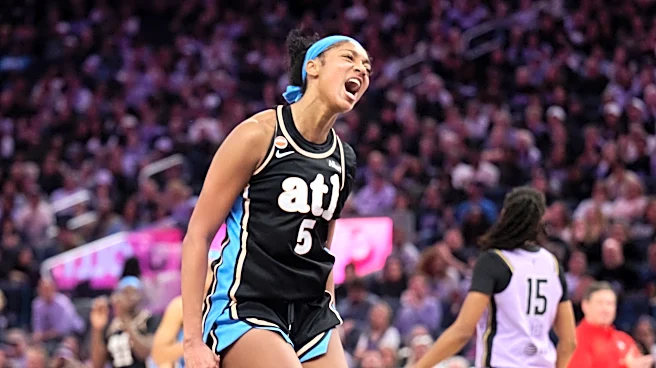
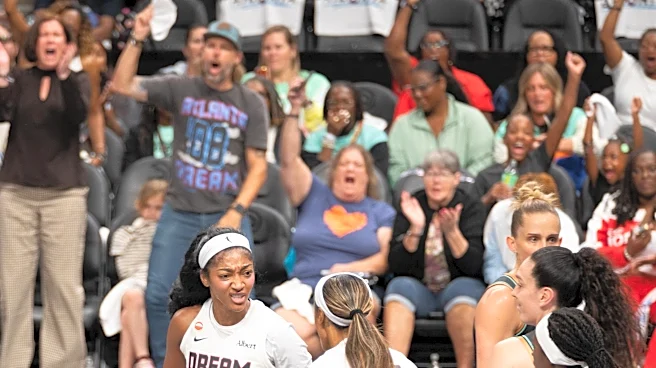
the lens of one player, leading to what critics describe as warped and delusional commentary. Following the Indiana Fever's first-round playoff exit, Brennan's articles have continued to emphasize Clark's importance, often suggesting that the WNBA has failed to adequately respect Clark. Her recent critiques include questioning the league's response to an incident involving Aces star A'ja Wilson and a Fever fan, and criticizing WNBA Commissioner Cathy Engelbert for allegedly minimizing Clark's impact. Brennan also used attendance figures from an Atlanta Dream playoff game, which did not feature Clark, to argue that the league was not sufficiently appreciating Clark's drawing power.
Why It's Important?
This situation highlights a broader debate within sports media regarding the coverage of individual athletes versus the league as a whole. Brennan's approach, as described by critics, risks alienating fans who follow other teams and players, potentially narrowing the WNBA's appeal rather than broadening it. The focus on one player, even a popular one like Clark, can overshadow other significant storylines, achievements, and the overall growth of the league. This 'Clarkcentric' view also fuels discussions about how media narratives can influence public perception of a sport, potentially creating a skewed understanding of its dynamics and value. The criticism suggests that such commentary might inadvertently contribute to a culture-war narrative around the WNBA, rather than fostering genuine engagement with the sport itself.
What's Next?
The ongoing debate over Caitlin Clark's media portrayal is likely to continue as the WNBA season progresses and as sports commentators continue to analyze the league. Brennan may continue to advocate for her perspective on Clark's significance, potentially leading to further responses from other sports journalists and fans. The WNBA, meanwhile, will likely continue its efforts to promote the league as a whole, showcasing its diverse talent pool and competitive landscape. The discussion could also prompt other media outlets to re-evaluate their own coverage strategies to ensure a balanced representation of the league's athletes and teams. The search for Commissioner Cathy Engelbert's successor, which Brennan noted will be led by Clark's agency, Excel Sports Management, could also become a point of further discussion regarding the league's future direction and its relationship with its star players.
Beyond the Headlines
The intense focus on Caitlin Clark by some media figures, as exemplified by Christine Brennan, touches upon deeper issues of celebrity culture in sports and the commercialization of athletic narratives. It raises questions about whether individual star power, while undeniably a draw, can sometimes overshadow the collective effort and diverse talent that define a professional sports league. This 'Clarkcentric' approach could inadvertently reinforce a perception that the WNBA's success is solely dependent on one player, potentially undermining the achievements of other athletes and teams. Furthermore, the critique of Brennan's commentary suggests a tension between promoting a star for commercial gain (especially given her book on Clark) and providing comprehensive, objective sports journalism. This dynamic can influence how new fans are introduced to the league and whether they develop a holistic appreciation for the sport beyond a single personality.