


What's Happening?
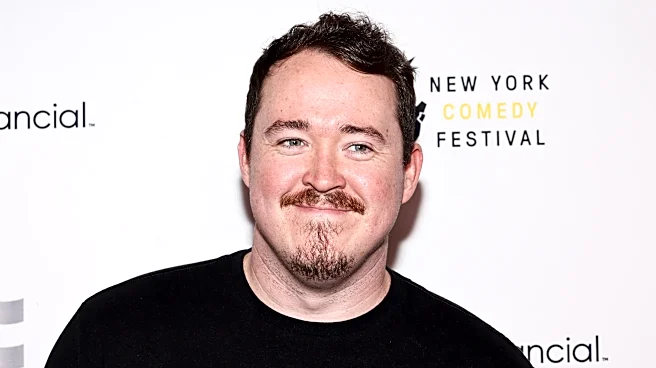
Grace Brassel, the ex-girlfriend of comedian Shane Gillis, has published an essay detailing what she describes as a 'nightmare romance' that led her to seek therapy. Brassel claims she quit her job as a social media manager to become Gillis's 'stay-at-home
girlfriend,' a role she found isolating and damaging. Her essay, published by The Cut, outlines instances of belittling comments, infidelity, and controlling behavior from Gillis. Brassel alleges that Gillis would dismiss her feelings, make derogatory comments about women, and control aspects of her life, including her attire. The relationship reportedly caused her significant emotional distress, leading to daily crying and anxiety attacks. After discovering sexting exchanges with another woman, Brassel ended the relationship. Gillis has not disputed the claims, offering a brief statement wishing her the best.
Why It's Important?
This story highlights the potential personal costs and emotional toll within relationships involving public figures, particularly when power dynamics are skewed. Brassel's account sheds light on issues of emotional abuse, control, and the challenges individuals face when their partners are in the public eye. The subsequent harassment Brassel reported from Gillis's fanbase also underscores the darker side of celebrity culture and the impact of online communities on individuals associated with public figures. Her decision to share her story publicly could empower others in similar situations to recognize and address unhealthy relationship patterns. For Gillis, these allegations, while not legally challenged, could impact his public image and professional standing, especially given his past controversies regarding offensive remarks.
What's Next?
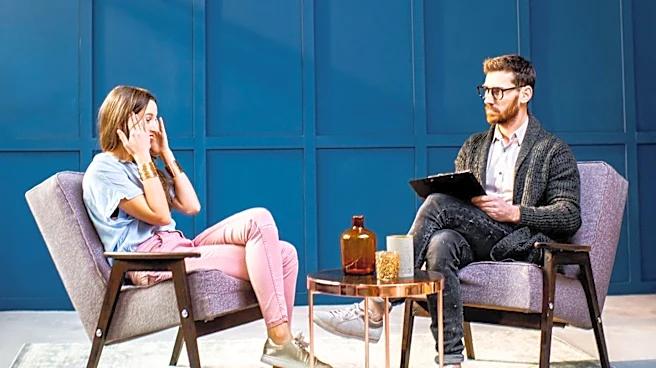
Grace Brassel continues to attend weekly therapy sessions to 'deprogram' herself from the relationship, indicating a long-term recovery process. She has also discussed the fallout of the relationship on podcasts and social media, suggesting she will continue to share her experiences. For Shane Gillis, while he has offered a brief statement, the public reaction to Brassel's detailed account could influence his career trajectory and public perception. The entertainment industry and his fanbase will likely monitor his future statements and actions. The broader conversation around accountability for public figures in their personal relationships may also intensify, potentially leading to more scrutiny of comedians and other entertainers regarding their conduct.
Beyond the Headlines
Brassel's narrative delves into the subtle yet profound ways control can manifest in relationships, particularly when one partner holds significant social or financial power. Her description of being told she wasn't 'being good' like one would speak to a dog, and the gradual erosion of her self-identity, points to psychological manipulation. The story also touches on the ethical responsibilities of public figures regarding their personal conduct and the impact it has on those around them. Furthermore, the harassment Brassel experienced from Gillis's fans raises questions about the parasocial relationships fans develop with celebrities and the boundaries of online behavior, highlighting the need for greater awareness and action against online bullying and abuse.