

What's Happening?
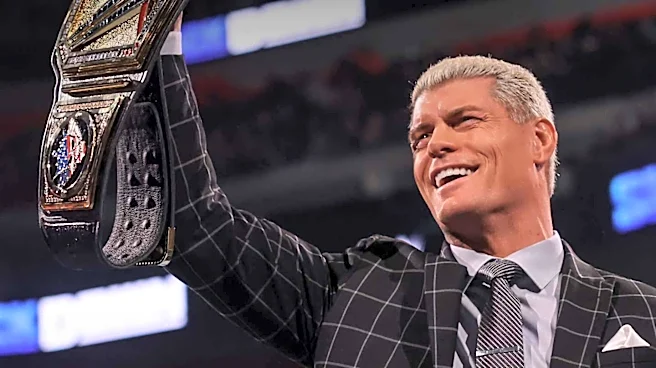
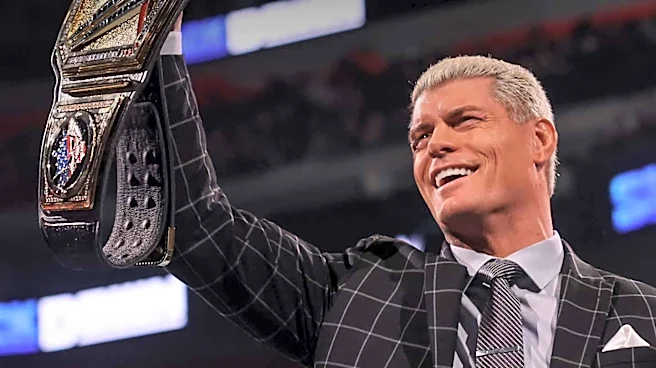
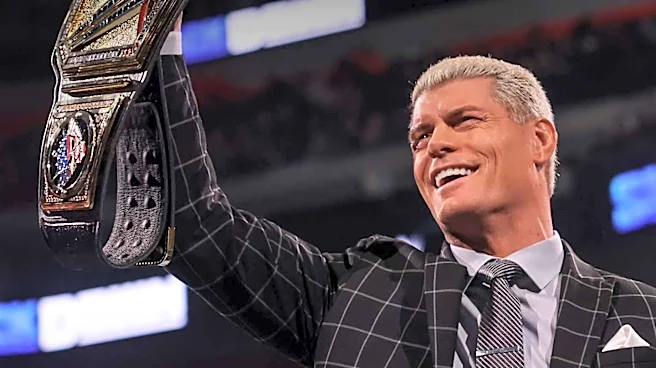
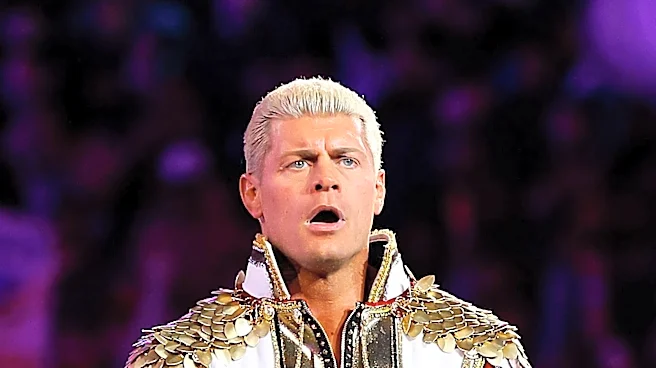
Cody Rhodes has offered an explanation for the discontinuation of WWE's elaborate WrestleMania parties, suggesting that they evolved from private gatherings into more public meet-and-greet events. Rhodes recalled a peak moment at one such party, dubbed
'Musclemania,' where he and Santino Marella held a bodybuilding competition judged by Linda McMahon, with The Undertaker calling poses. While this event was a highlight, Rhodes believes the parties ultimately ceased because too many people gained access, diluting the intimate atmosphere that once characterized them. He noted that the secretive nature of professional wrestling, with its inherent fraternity and sorority, was compromised as the parties became less exclusive. Consequently, the true post-WrestleMania celebrations have shifted to more private settings, such as gatherings around tour buses.
Why It's Important?
The evolution and eventual disappearance of the WWE WrestleMania parties reflect broader changes within the professional wrestling industry regarding fan access and the maintenance of performer mystique. Historically, wrestling maintained a degree of secrecy, fostering an exclusive environment for its performers. As the industry has become more mainstream and accessible, the line between private and public events has blurred. Rhodes's explanation highlights the tension between maintaining an exclusive 'fraternity' among wrestlers and the growing demand for fan interaction. The shift from grand, public parties to more private gatherings on tour buses indicates a desire among performers to preserve a sense of camaraderie and privacy away from the constant public eye, which is crucial for maintaining the unique culture and bonds within the wrestling community. This also impacts how fans perceive the behind-the-scenes world of WWE.
What's Next?
It is unlikely that the large-scale, public WrestleMania parties will return in their previous form, given Cody Rhodes's insights into why they ceased. The trend suggests that WWE performers will continue to seek more private avenues for post-event celebrations and camaraderie. This could mean that fans will have fewer opportunities for informal interactions with wrestlers outside of official meet-and-greets or scheduled appearances. The focus will likely remain on structured fan engagement events, while the more organic, private gatherings among wrestlers will continue behind the scenes. This shift might also influence how WWE manages its public relations and fan access strategies around major events, potentially leading to more controlled and curated fan experiences rather than spontaneous interactions.
Beyond the Headlines
The narrative surrounding the WrestleMania parties touches upon the evolving relationship between professional athletes and their public personas. In an era of pervasive social media and constant connectivity, maintaining any semblance of privacy or exclusivity has become increasingly challenging for public figures. For professional wrestlers, who often blur the lines between their on-screen characters and real-life personalities, these private gatherings serve as crucial spaces for decompression and community building away from the demands of their profession. The disappearance of the public WrestleMania parties can be seen as a micro-example of a broader societal trend where celebrities and public figures are increasingly protective of their private lives, seeking refuge from constant public scrutiny. This also underscores the unique culture within professional wrestling, where the bonds formed backstage are often as significant as the rivalries portrayed in the ring.