



What's Happening?
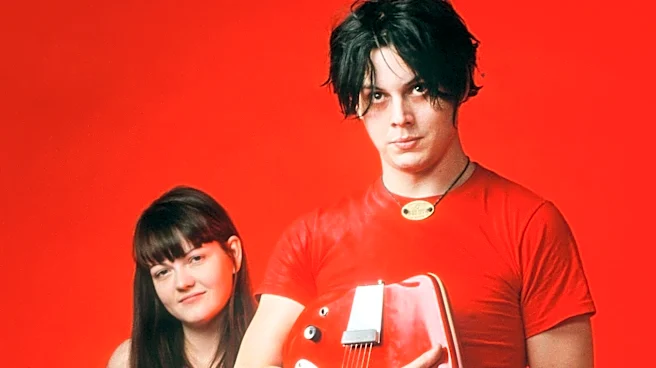
The U.K. tabloid, The Daily Mail, mistakenly followed and photographed a friend of former White Stripes drummer Meg White in Detroit, believing her to be White. On August 6, the newspaper published an article with over a dozen photographs, claiming to have
found the 'reclusive female music megastar' and promising to reveal her 'secret new life,' including what it asserted were the first public images of White in 17 years. However, the woman photographed informed the reporters that they had mistaken her identity. Despite this, The Mail proceeded to publish the story, with senior reporter Joe Hutchison stating that the newspaper concluded the woman was White because she politely responded 'thank you' after being complimented on the White Stripes’ music. The Mail has since quietly removed the article and photographs from its website without issuing a correction or explanation. A music-label executive, close to both White and the photographed friend, confirmed that neither woman was aware they were being followed.
Why It's Important?
This incident highlights significant ethical concerns regarding journalistic practices and privacy, particularly in the context of celebrity culture and tabloid reporting. The publication's decision to proceed with the story and photographs, even after being directly informed of their error, raises questions about journalistic integrity and the potential for misidentification to harm individuals. For public figures like Meg White, who has maintained a low public profile since the White Stripes disbanded in 2011, such incidents underscore the challenges of privacy in the digital age. The lack of a public correction or explanation from The Daily Mail further erodes trust in media outlets and demonstrates a disregard for accountability. This event could lead to increased scrutiny of tabloid methods and potentially influence discussions around media ethics and the protection of individuals from unwarranted public exposure.
What's Next?
The quiet removal of the article by The Daily Mail suggests an acknowledgment of error, though without a formal correction, the full implications for the publication's reputation remain to be seen. The incident may prompt further discussions within media ethics circles regarding the responsibilities of news organizations, especially when dealing with private citizens mistakenly identified as public figures. It could also lead to increased caution among individuals who are friends or associates of celebrities, as they may inadvertently become targets of media scrutiny. Legal recourse for the friend who was misidentified is a possibility, depending on the laws governing privacy and defamation in the U.K. and the U.S. The event serves as a cautionary tale for media outlets about the importance of verifying information and respecting individuals' privacy.
Beyond the Headlines
The incident delves into the broader societal implications of media sensationalism and the erosion of personal privacy. In an era where information spreads rapidly, the damage caused by false reporting can be extensive and difficult to undo, even if the content is eventually removed. The case also touches upon the nature of celebrity and the public's perceived right to access details of a public figure's life, even when that figure actively seeks privacy. The fact that the tabloid continued to pursue and publish the story despite direct denial from the individual involved suggests a prioritization of narrative over factual accuracy. This raises questions about the pressures faced by tabloid journalists and the editorial decisions that allow such errors to occur and persist, ultimately impacting public trust in media institutions.