





What's Happening?
Renowned filmmaker James Cameron has voiced significant concerns regarding the increasing use of Artificial Intelligence (AI) in the film industry. Cameron, known for directing some of the highest-grossing movies of all time including 'Avatar' and 'Titanic,'
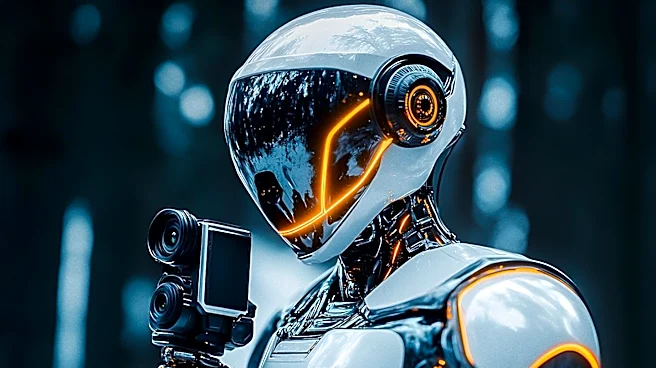
believes that AI will inevitably reduce the quality of filmmaking and cannot replicate human creativity. He described generative AI performances as 'horrifying,' stating that they blend all human experience into a single output. Despite his strong stance, Cameron is a board member of Stability AI, where his role is specifically to help establish rules and regulations for the technology within the movie industry. His views align with other prominent directors like Christopher Nolan and Guillermo del Toro, who also express skepticism or outright opposition to AI's role in creative processes.
Why It's Important?
James Cameron's vocal opposition to AI in filmmaking is important because it highlights a growing debate within the entertainment industry about the balance between technological advancement and artistic integrity. As a director with immense influence and a track record of pushing cinematic boundaries, his perspective carries significant weight. His concerns about AI diminishing human creativity resonate with many artists and could influence industry standards and union negotiations regarding AI's deployment. This stance could also encourage a more cautious approach to AI adoption, potentially leading to stricter guidelines or even limitations on its use in creative roles. The debate also touches upon the economic implications for human artists, writers, and crew members, who fear job displacement and devaluation of their skills as AI tools become more sophisticated.
What's Next?
The ongoing discussion surrounding AI in filmmaking, amplified by figures like James Cameron, is likely to lead to continued efforts to establish clear ethical guidelines and regulatory frameworks. Cameron's involvement with Stability AI suggests a proactive approach to shaping these rules from within the industry. We can anticipate further dialogue between filmmakers, studios, technology developers, and labor unions to define the acceptable boundaries for AI. This could result in new contractual agreements, industry-wide best practices, or even legislative actions aimed at protecting human creative roles and ensuring the quality of cinematic output. The industry may also see a bifurcation, with some productions fully embracing AI for efficiency and others, like those championed by Cameron, prioritizing traditional human-led creative processes.
Beyond the Headlines
Beyond the immediate concerns of job displacement and creative quality, James Cameron's comments tap into deeper philosophical questions about the nature of art and human expression. His assertion that AI cannot replace human creativity suggests a belief in an intrinsic, irreplaceable human element in storytelling. This debate extends to the very definition of authorship and the value placed on human experience in artistic endeavors. The long-term implications could involve a re-evaluation of what constitutes 'authentic' art in an age of increasingly sophisticated AI. It also raises ethical considerations about the potential for AI to homogenize cultural narratives or to perpetuate biases embedded in its training data, thereby impacting the diversity and originality of cinematic works. The industry's response to these challenges will shape not only the future of filmmaking but also broader societal perceptions of AI's role in creative fields.