








What's Happening?
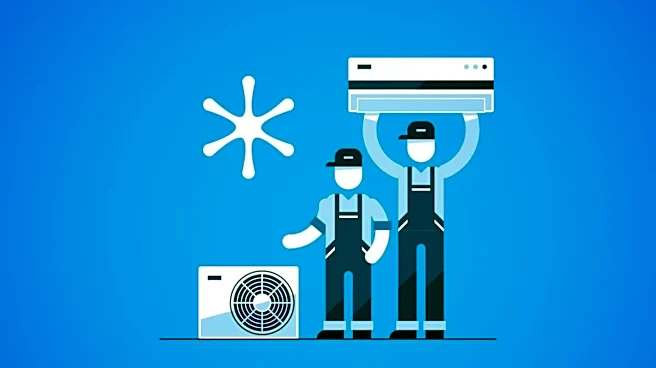
The HVAC industry is undergoing significant changes as a large portion of its experienced workforce approaches retirement. This shift presents a challenge for industry leaders who must focus on hiring and retaining new talent. The industry is also seeing
advancements in technology, with a push towards safer and cleaner equipment. This requires technicians to stay updated with new standards and practices. The recruitment of the next generation of technicians is crucial, as it involves not just job postings but also providing a clear career path and understanding of the trade's benefits.
Why It's Important?
The transition in the HVAC workforce and the technological advancements in equipment have broad implications for the industry. As experienced technicians retire, there is a risk of a skills gap that could affect service quality and operational efficiency. The introduction of safer and cleaner equipment aligns with environmental goals and regulatory standards, potentially reducing emissions and improving public health. Successfully attracting and retaining new talent is vital for sustaining the industry's growth and innovation. Companies that effectively address these challenges may gain a competitive edge, while those that do not could face operational difficulties.
What's Next?
The HVAC industry will likely continue to focus on training and mentorship programs to bridge the skills gap left by retiring technicians. Companies may invest in educational initiatives to attract younger workers and provide them with a clear career trajectory. As technology evolves, ongoing training will be essential to ensure that technicians can handle new equipment and adhere to updated safety standards. Industry leaders may also advocate for policies that support workforce development and technological innovation.