





What's Happening?
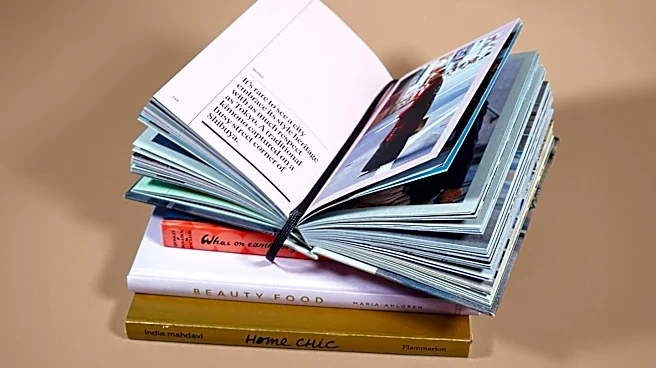
Taschen Books has announced the upcoming publication of a multi-volume book celebrating the inaugural exhibit of the Lucas Museum of Narrative Art. The exhibit, set to open on September 22, 2026, explores the history of visual storytelling. The compilation
will feature works from a diverse range of artists, including Thomas Hart Benton, Jessie Willcox Smith, Frank Frazetta, Maxfield Parrish, Norman Rockwell, and N. C. Wyeth. It will also include contributions from creators across various fields such as photography, illustration, painting, comics, and film. The book is organized thematically and includes texts by filmmakers George Lucas and Guillermo del Toro, along with an introduction by Ryan Linkof. A special section will be dedicated to the cinematic universe. The book will be available in three formats: a Classic edition (two hardcover volumes in a slipcase, 832 pages), a 45 edition (a single 496-page hardcover volume), and a Piccolo edition (a miniature volume exclusively for Lucas Museum retail outlets). The Classic edition is scheduled for release on October 24, 2026, and the 45 edition on November 3, 2026.
Why It's Important?
This publication is significant for the art and cultural sectors in the U.S., particularly for institutions dedicated to visual storytelling. The Lucas Museum of Narrative Art, founded by George Lucas, aims to be a prominent cultural landmark, and this book serves as a foundational document for its mission and initial offerings. By compiling a broad spectrum of visual art forms, the book highlights the interconnectedness of various artistic disciplines and their role in shaping narrative. It provides an accessible way for a wider audience to engage with the museum's collection and its curatorial vision, even before or after a physical visit. The involvement of notable figures like George Lucas and Guillermo del Toro lends significant weight and credibility to the project, potentially attracting greater public and academic interest in narrative art and its historical evolution. This initiative could also influence future museum publications and exhibitions by setting a precedent for comprehensive and multi-format documentation of significant cultural displays.
What's Next?
The Classic edition of the book is slated for release on October 24, 2026, followed by the 45 edition on November 3, 2026. The Lucas Museum of Narrative Art's inaugural exhibit is scheduled to open on September 22, 2026, preceding the book releases. Following the publication, the book is expected to be available through various retail channels, with the Piccolo edition being exclusive to the museum's retail outlets. The release will likely be accompanied by promotional activities from Taschen Books and the Lucas Museum, potentially including author events, discussions, or online features to highlight the content and the museum's mission. The reception of the book will indicate public and critical interest in the museum's approach to visual storytelling and could influence future publishing endeavors related to its collections and exhibitions. The thematic organization and inclusion of diverse artists suggest a potential for academic engagement and use as a resource for studies in art history and visual culture.
Beyond the Headlines
The publication of this multi-volume book extends beyond a simple catalog of an exhibition; it represents a significant effort to define and contextualize narrative art as a distinct and important field. By tracing the history of visual storytelling through a wide array of mediums—from traditional painting to comics and film—the book challenges conventional art historical boundaries and promotes a more inclusive understanding of artistic expression. This initiative could foster a broader appreciation for forms often marginalized in traditional art discourse, such as illustration and cinematic art. The involvement of filmmakers like George Lucas and Guillermo del Toro underscores the growing recognition of film as a powerful narrative art form, bridging the gap between popular culture and high art. This comprehensive approach could inspire new academic research, educational programs, and public dialogues about the role of visual narratives in shaping cultural understanding and human experience, ultimately enriching the cultural landscape of the U.S.