








What's Happening?
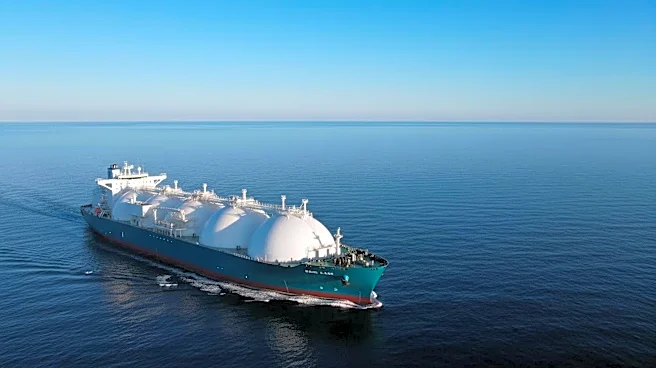
For the first time in nearly two years, less than half of U.S. liquefied natural gas (LNG) exports were sent to Europe last month. This shift is attributed to stronger prices in Asia and record imports by Egypt, according to preliminary ship-tracking
data from LSEG. European buyers, who need to refill storage ahead of the next winter season, have been waiting for better prices. Asian spot prices traded at a premium to Europe, encouraging exporters to redirect shipments eastward. The Asian benchmark JKM averaged $17.33 per million British thermal units (mmBtu) in June, compared to the European benchmark at $13.19 per mmBtu. Egyptian buyers paid premiums of up to $1 per mmBtu over TTF-linked prices. Supply constraints from the Middle East and softer European demand widened the price gap, creating arbitrage opportunities for U.S. exporters. Total U.S. LNG exports rose slightly to 10.6 million tons in June, with 4.41 million tons shipped to Europe, down from 5.13 million tons in May.
Why It's Important?
The shift in U.S. LNG export destinations highlights the dynamic nature of global energy markets and the influence of regional price differentials. The redirection of LNG exports from Europe to Asia and Africa could impact European energy security, especially as the continent prepares for the winter season. This development underscores the importance of price competitiveness in global energy trade and the strategic decisions exporters must make in response to market conditions. The increased exports to Asia and Africa also reflect the growing demand for LNG in these regions, driven by economic growth and energy needs. For U.S. exporters, the ability to capitalize on higher prices in Asia and Africa represents a significant opportunity to maximize revenue.
What's Next?
As European buyers continue to wait for more favorable prices, the region may face challenges in securing sufficient LNG supplies for the winter. This could lead to increased competition for available cargoes and potentially higher prices. U.S. exporters will likely continue to monitor global price trends and adjust their export strategies accordingly. The ongoing geopolitical tensions in the Middle East and their impact on energy supply could further influence global LNG trade patterns. Additionally, the potential for increased global LNG supply later in the year may affect market dynamics and pricing.