


What's Happening?
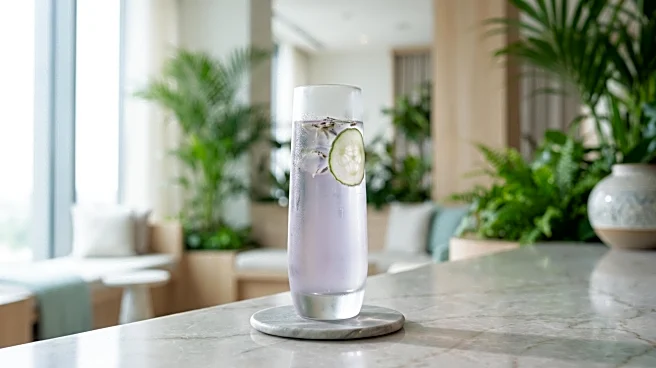
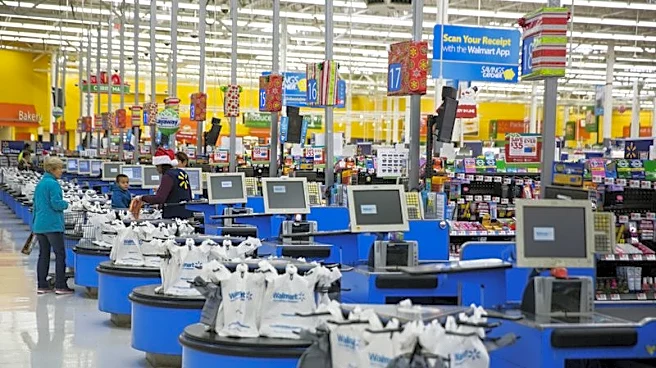
The U.S. functional beverage market is entering a new phase, shifting from energy and performance-boosting drinks to those focused on relaxation and unwinding. Relaxation beverages are gaining mainstream attention, with major retailers like Walmart introducing
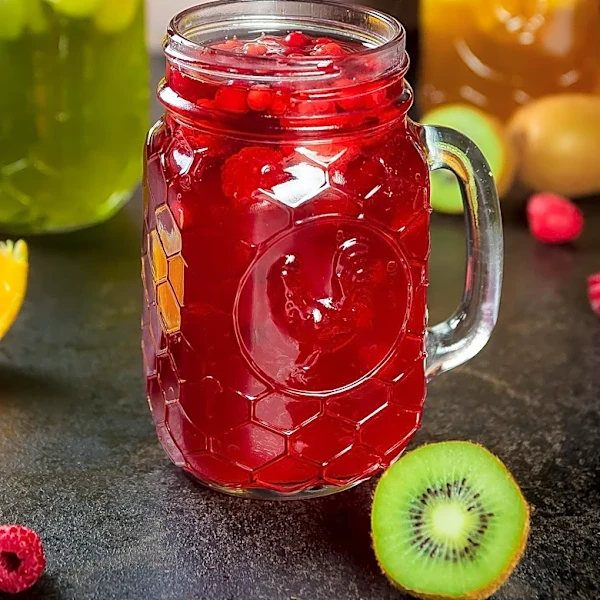
dedicated 'Mood and Mindset' categories. Brands such as Recess, founded in 2017 by Benjamin Witte, are capitalizing on this trend by developing a range of relaxation-focused beverages and mood-supporting products. Kyle Thomas, co-CEO of Recess, believes this category could follow a similar growth trajectory to energy drinks, evolving from a niche product to a mainstream segment. Consumers are increasingly looking for ways to balance stimulation with moments of calm, driven by a broader shift towards functional nutrition and a greater understanding of mental health's importance. While functional benefits attract initial interest, taste remains the primary driver for repeat purchases, emphasizing the need for enjoyable products.
Why It's Important?
This emerging trend signifies a significant opportunity for innovation and market expansion within the U.S. beverage industry. As consumers seek products to help them de-stress and unwind, companies that can effectively develop and market appealing relaxation beverages stand to gain substantial market share. The entry of major retailers like Walmart into this space validates its potential and will likely accelerate consumer adoption. This shift also reflects a growing consumer awareness of mental wellness and a desire for holistic health solutions. For manufacturers, it means diversifying product portfolios beyond traditional energy and performance drinks. The emphasis on taste highlights that functional benefits alone are not enough; products must also deliver a satisfying consumption experience to ensure long-term success and consumer loyalty. This could lead to increased competition and investment in the relaxation beverage segment.
What's Next?
The relaxation beverage category is expected to intensify in competition as it moves further into the mainstream. Major beverage players, including Coca-Cola, PepsiCo, and Keurig Dr Pepper, are anticipated to enter or expand their presence in this segment, potentially through acquisitions or new product development. This increased involvement from larger companies could help legitimize the category and accelerate its growth and consumer education. Brands like Recess are also exploring extensions into new social settings, including the growing no/low-alcohol market, offering consumers alcohol-free alternatives for unwinding. The focus will remain on educating consumers about the benefits of relaxation beverages and integrating them into everyday routines. Continued innovation in ingredients and flavor profiles will be crucial for brands to differentiate themselves and capture consumer interest in this evolving market.
Beyond the Headlines
The rise of relaxation beverages points to a deeper societal trend in the U.S.: a growing recognition of the need for mental well-being and stress management in an increasingly fast-paced world. This isn't just about a new drink; it reflects a cultural shift where consumers are actively seeking tools and products to support their mental health, moving beyond traditional methods. The integration of relaxation into daily consumption habits suggests a proactive approach to managing stress and anxiety. This trend could also influence workplace culture, encouraging more breaks and mindfulness. Furthermore, the expansion into the no/low-alcohol market indicates a broader re-evaluation of social drinking habits, with consumers seeking alternatives that align with healthier lifestyles. This evolution signifies a more holistic view of health, where beverages play a role not just in physical vitality but also in emotional and mental balance.