




What's Happening?
IFFCO, a food manufacturer operating in over 50 countries and serving more than 100 markets, has been actively working to maintain a resilient food supply chain amidst global disruptions. The company emphasizes that food security extends beyond local
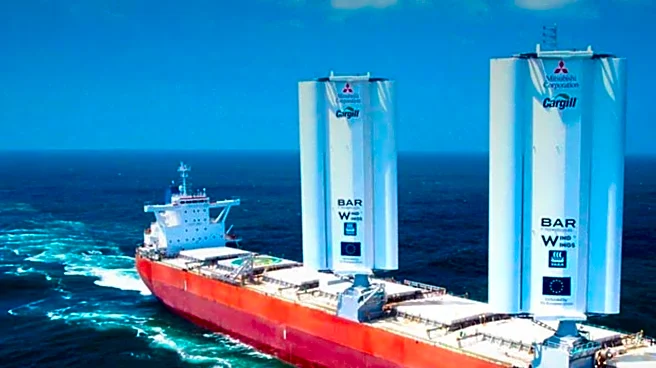
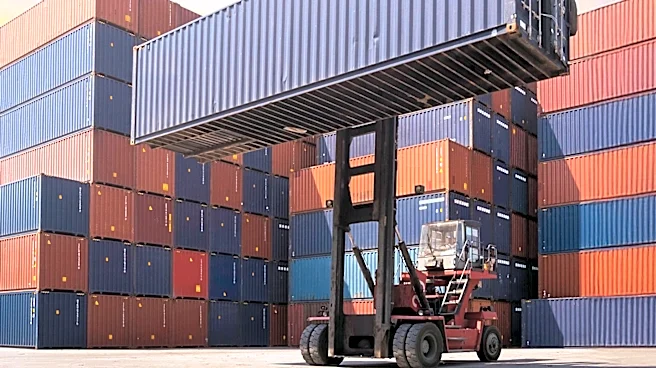
production and imports to include the ability to move ingredients and finished products when traditional trade routes are interrupted. IFFCO's strategy involves leveraging its extensive global presence and the expertise of its procurement, logistics, manufacturing, and quality teams to navigate these challenges. Since March, IFFCO has transported over half a million tonnes of edible oils and grains through various ports, including those on the UAE's east coast and the Red Sea. Additionally, the company has chartered seven cargo aircraft to fly in more than 800 tonnes of critical raw materials and food ingredients over the past four months. They have also increased local sourcing of packaging materials and adjusted inventory to ensure continuous production.
Why It's Important?
The efforts by IFFCO highlight the critical importance of supply chain resilience in maintaining food security, particularly in an era of unpredictable global events. Disruptions to trade routes, whether due to geopolitical tensions, natural disasters, or other unforeseen circumstances, can severely impact the availability of essential food items and ingredients. For the U.S. and other nations, the ability of major food manufacturers like IFFCO to adapt and innovate in logistics and sourcing directly influences the stability of food markets and consumer access to goods. This proactive approach by IFFCO demonstrates how diversified operations, strategic partnerships, and agile decision-making are crucial for mitigating risks and preventing widespread shortages. The company's actions underscore a broader industry trend towards strengthening supply chains against future shocks, which is vital for economic stability and public welfare.
What's Next?
As global supply chains continue to face potential volatility, IFFCO is likely to further refine its strategies for resilience. This could involve continued investment in diversified sourcing channels, exploring new transportation methods, and strengthening relationships with local manufacturers and suppliers across its operational regions. The company's experience in chartering aircraft and utilizing various ports suggests a continued emphasis on flexible logistics solutions. Other food manufacturers and industries may look to IFFCO's model as a blueprint for building more robust supply chains. The ongoing focus on food security will likely drive further innovation in procurement, manufacturing, and distribution, with an emphasis on anticipating and responding to disruptions more effectively. This could also lead to increased collaboration within the industry and with governments to establish more secure and adaptable food systems.
Beyond the Headlines
The challenges faced by IFFCO and its responses reveal a deeper shift in the understanding of food security. Traditionally, the focus has been on production volumes and reserves. However, recent events have underscored that the 'last mile' of logistics and the intricate web of global trade routes are equally, if not more, critical. This highlights the ethical imperative for companies to ensure continuous access to food, especially for vulnerable populations. The reliance on diverse teams and their ability to make quick, informed decisions in crisis situations also points to the human element as a cornerstone of resilience. Furthermore, the increased local sourcing and adjustments in inventory management could signal a move towards more regionalized supply chains, potentially reducing reliance on distant and complex global networks. This could have long-term implications for international trade policies and the geographical distribution of manufacturing capabilities.