





What's Happening?
Financial experts are advising individuals on how to manage credit card debt while simultaneously building savings. According to Yanely Espinal, a financial educator, and Tania Brown, a certified financial planner, it is crucial to maintain a balance
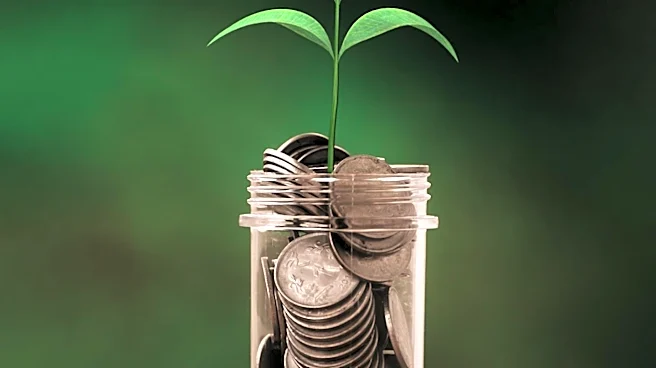
between paying off debt and saving for emergencies. They suggest tracking spending to identify areas for budget cuts, such as reducing unnecessary subscriptions or temporarily cutting back on non-essential expenses. The experts recommend setting up an emergency fund and a 'sinking' fund to cover unexpected expenses and avoid further debt. They emphasize the importance of making at least the minimum credit card payments to avoid late fees and credit score damage, while also making extra payments to reduce interest costs.
Why It's Important?
This advice is significant as it addresses the common financial challenge of managing debt while ensuring financial security through savings. By following these strategies, individuals can avoid the cycle of debt and prepare for unforeseen expenses, which is crucial in maintaining financial stability. The approach helps prevent the accumulation of high-interest debt and supports long-term financial health. This guidance is particularly relevant in the current economic climate, where many face financial uncertainty and need practical solutions to manage their finances effectively.
What's Next?
Individuals are encouraged to implement these strategies by revisiting their budgets and identifying potential savings. Financial experts suggest using tools like debt calculators to plan payments and setting up automatic deposits for savings. As people adopt these practices, they may experience improved financial health and reduced stress related to debt. The broader adoption of these strategies could lead to a more financially literate society, better equipped to handle economic challenges.