






What's Happening?
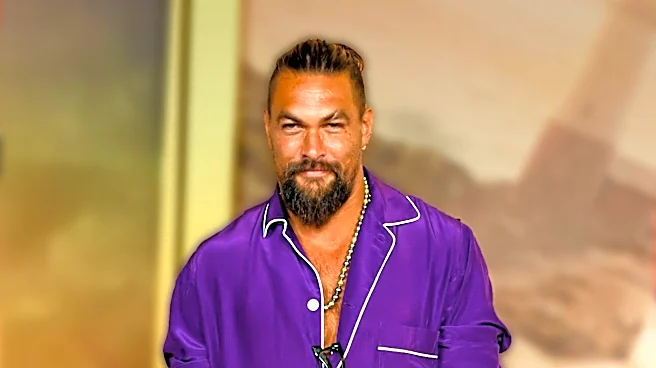
Actor Jason Momoa, known for his physically demanding roles in 'Game of Thrones' and as 'Aquaman,' has shared insights into his diet, which he describes as balanced and focused on enjoyment rather than strict adherence to macros or restrictive rules.
In a recent interview with Men's Health, Momoa stated that he dictates his entire day around food, emphasizing that fueling a strong body doesn't require giving up pleasure. He revealed his breakfast often includes black rice, avocado, sardines, sunny-side-up eggs, and seaweed. While he aims to eat clean with chicken during the day, he allows for indulgences like three Guinness beers at night. Momoa also noted a shift in his diet as he approaches 50, reducing red meat consumption, which he previously ate daily, and cutting back on items like caviar, oysters, beer, and red wine, which he humorously referred to as a 'king's diet.' His favorite Hawaiian foods include taro, kalo, and poi, and he still enjoys childhood favorites like Kraft Macaroni and Cheese.
Why It's Important?
Momoa's approach to diet challenges the common perception that achieving a 'superhero physique' necessitates extreme dietary restrictions and constant sacrifice. His emphasis on balance and enjoyment, rather than rigid rules or obsessive macro counting, offers a more sustainable and relatable model for health and fitness. This perspective is particularly significant in an industry where actors often undergo intense and sometimes unhealthy transformations for roles. By demonstrating that a physically demanding career can be maintained with a diet that includes both nutritious foods and occasional indulgences, Momoa provides a refreshing counter-narrative. This could influence public attitudes towards diet and fitness, encouraging individuals to adopt more flexible and enjoyable eating habits, potentially leading to better long-term adherence and overall well-being, rather than cycles of strict dieting followed by binges. His candidness about reducing red meat as he ages also highlights a practical, health-conscious adjustment that many individuals might consider.
What's Next?
Momoa's continued public discussions about his lifestyle choices could further popularize a more balanced approach to diet and fitness. As he continues to take on physically demanding roles, his methods for maintaining his physique will likely remain a topic of interest, potentially inspiring more individuals and even other public figures to adopt similar philosophies. His candidness might also encourage health and wellness brands to promote more realistic and sustainable dietary practices, moving away from extreme or restrictive trends. Future interviews or social media content from Momoa could delve deeper into specific aspects of his diet, such as his favorite healthy recipes or how he manages his indulgences, providing practical tips for his audience. This could also lead to broader conversations within the fitness community about the psychological benefits of a less rigid approach to eating and training.
Beyond the Headlines
Beyond the immediate health and fitness implications, Momoa's dietary philosophy touches upon broader cultural and psychological aspects of food. His statement, 'I dictate my whole day around food. I love to work really hard, and at the end of the day, the dog wants his bone,' reflects a deep appreciation for food as both fuel and reward, integrating it into his life's rhythm rather than viewing it as a mere necessity or an enemy. This perspective can foster a healthier relationship with food, moving away from guilt and towards mindful enjoyment. Furthermore, his connection to Hawaiian foods like taro, kalo, and poi highlights the cultural significance of diet and how personal heritage can influence eating habits. In a society often grappling with disordered eating and body image issues, Momoa's balanced and self-aware approach offers a valuable lesson in self-acceptance and sustainable well-being, suggesting that true strength comes not just from physical prowess but also from a harmonious relationship with one's body and its needs.