



What's Happening?
A significant shift in U.S. retail trends indicates that 44% of higher-income consumers, those earning over $5,000 per month, are increasing their purchases of private label products. This figure is 10 points higher than lower-income consumers, according
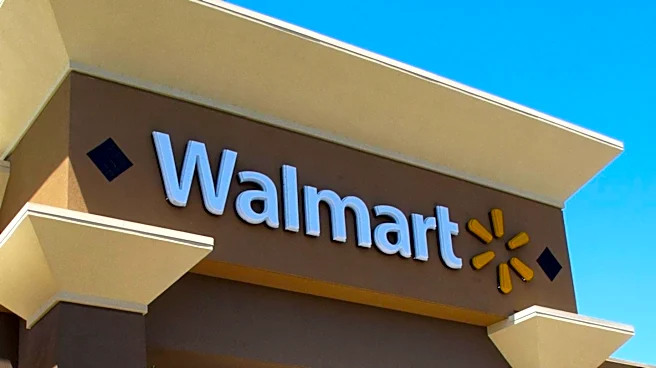
to Simon-Kucher's 2026 U.S. Global Shopper Study, as reported by Food Business News. This trend moves private label products beyond being mere 'value substitutes' to becoming a mainstream brand architecture challenge for both retailers and national-brand manufacturers. U.S. private-label sales reached $330 billion in 2025, representing 24% of unit share and 23% of dollar share, according to Circana data. Retailers are responding by expanding and tiering their private label lines, including premium options, with examples like Walmart's Great Value and Bettergoods. Club stores have driven nearly half of all private brand growth.
Why It's Important?
This development is crucial for the U.S. retail landscape as it signals a fundamental change in consumer perception and purchasing behavior across income brackets. The increased adoption of private label by higher-income shoppers means that these products are no longer solely associated with budget-conscious choices but are now seen as credible alternatives, even in premium segments. This forces national brands to re-evaluate their competitive strategies, focusing more on innovation, brand differentiation, and value proposition beyond just price. For retailers, it presents a significant opportunity to boost profitability and customer loyalty by offering diverse, high-quality private label options. The expansion of tiered private label lines, including premium offerings, allows retailers to capture a broader market segment and compete more effectively with established brands, potentially leading to a more competitive and dynamic retail environment in the U.S.
What's Next?
Retailers are expected to continue expanding and refining their private label assortments, with a particular focus on premium tiers to cater to the growing demand from higher-income consumers. This will likely involve further investment in product development, quality control, and marketing for private label brands. National brand manufacturers will need to innovate and differentiate their products more aggressively to maintain market share against increasingly sophisticated private label offerings. The competition is expected to intensify in categories like snacks and beverages, where private label penetration is currently lower but has significant growth potential. Retailers will also focus on improving repeat purchase rates and differentiation within their private label portfolios. While some sentiment regarding private label momentum may cool, the underlying structural shift towards higher adoption is expected to persist, establishing a new baseline for private label presence in the U.S. market.
Beyond the Headlines
The rise of private label brands among higher-income consumers has deeper implications for brand loyalty and consumer psychology. It suggests a potential erosion of traditional brand prestige, as consumers prioritize value, quality, and retailer trust over established national brand names. This could lead to a more pragmatic and less emotionally driven purchasing decision-making process. Furthermore, the success of private labels could empower retailers to exert greater control over the supply chain and product development, potentially influencing manufacturing practices and sustainability standards. The shift also raises questions about the future of advertising and brand building, as retailers might increasingly invest in promoting their own labels, challenging the marketing dominance of national brands. This trend could ultimately reshape the power dynamics between retailers, manufacturers, and consumers in the U.S. market.