

What's Happening?
Ford has initiated the production of lithium iron phosphate (LFP) battery cells at its BlueOval Battery Park Michigan facility. This development utilizes technology licensed from China's Contemporary Amperex Technology Co. Limited (CATL). The first cells,
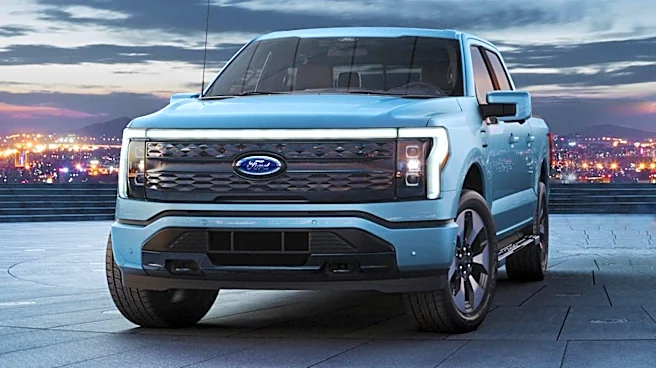
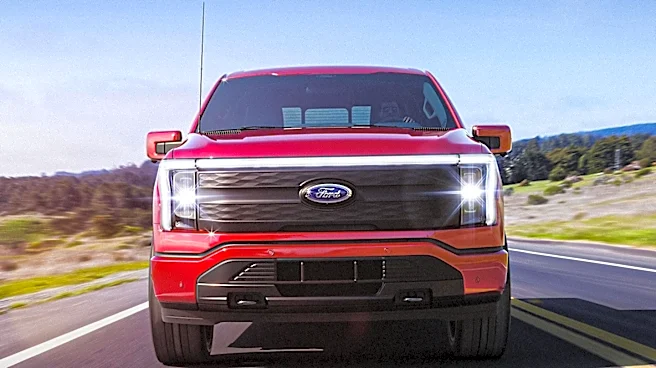
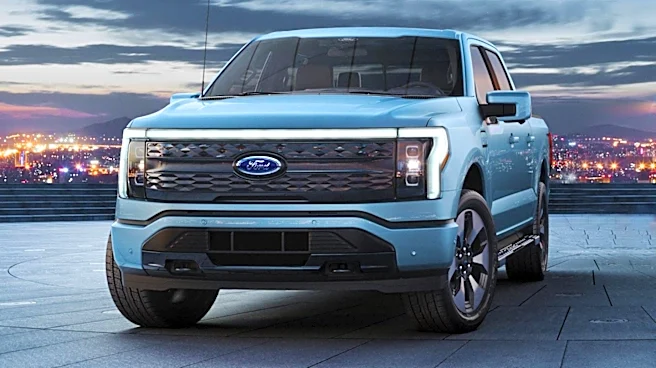
manufactured in October 2026, are being shipped to Louisville, Kentucky, for use in prototypes of Ford's upcoming Fathom electric pickup. This move is part of Ford's strategy to reduce electric vehicle (EV) manufacturing costs and bolster domestic battery production capacity. The $3 billion facility in Marshall, Michigan, is owned and operated by Ford, with CATL providing the licensed technology and manufacturing expertise. LFP batteries, which use lithium, iron, and phosphate instead of nickel and cobalt, are intended to lower costs and offer greater durability. Alan Clarke, Ford's Vice President of Advanced Development Projects, stated that this partnership provides necessary technology to accelerate affordable EV production in the United States. The facility is designed to produce 40 cells per minute, equating to approximately 20GWh of annual capacity, a reduction from the initial target of 40GWh due to adjustments in Ford's EV investment strategy and market demand.
Why It's Important?
This initiative is significant for the U.S. automotive industry as it represents a direct effort by Ford to localize EV battery production and reduce manufacturing costs. By licensing LFP technology from CATL, Ford aims to compete more effectively on EV prices, a critical factor for broader consumer adoption. The use of LFP batteries, which forgo expensive materials like nickel and cobalt, could make EVs more accessible and affordable for American consumers. Furthermore, this strategy addresses the broader challenge of establishing a robust domestic battery supply chain, reducing reliance on foreign manufacturing. However, the arrangement has drawn scrutiny from U.S. lawmakers and government officials concerned about the involvement of Chinese companies in strategic manufacturing sectors, particularly amidst increasing U.S.-China tensions. The success of Ford's approach could influence other U.S. automakers facing similar pressures to balance cost reduction, domestic production, and geopolitical considerations.
What's Next?
Ford plans to ramp up production at the Michigan facility throughout 2027 as it continues to certify manufacturing processes. The battery cells produced will support the development of the Fathom pickup, with its launch anticipated in the fourth quarter of 2027. The manufacturing experience gained in Michigan is also expected to support Ford's battery energy storage operations, extending the application of this battery technology beyond automotive uses. The ongoing scrutiny from U.S. lawmakers regarding technological ties with China suggests that Ford's partnership with CATL will likely remain a subject of political debate. The company will need to continue demonstrating that it retains ownership and operational control of the facility while navigating these geopolitical complexities. The outcome of this venture could set a precedent for how U.S. companies engage with foreign technology providers to achieve domestic manufacturing goals in critical sectors.
Beyond the Headlines
The Ford-CATL partnership highlights a complex interplay between economic necessity, technological advancement, and geopolitical strategy. While Ford's decision to license LFP technology from CATL is driven by the immediate need to reduce EV costs and accelerate domestic production, it also underscores the historical reality that critical battery technology was commercialized at scale primarily in China, despite its U.S. origins. This situation raises questions about the long-term implications for U.S. technological independence and national security, particularly in strategic sectors like EV manufacturing. The arrangement could be seen as a pragmatic solution to a pressing industrial challenge, allowing the U.S. to quickly acquire manufacturing capabilities. However, it also exposes the vulnerabilities of relying on foreign technology, even under a licensing agreement, especially in an era of heightened U.S.-China tensions. The ethical and strategic considerations of such partnerships will likely continue to shape policy discussions around supply chain resilience and technological sovereignty.