




What's Happening?
Bartenders in Denver are observing a shift in customer preferences, with many classic cocktails being overlooked in favor of more popular choices like the Old Fashioned. Lead bartender Brandon Craig from B&GC notes that while the Old Fashioned is frequently
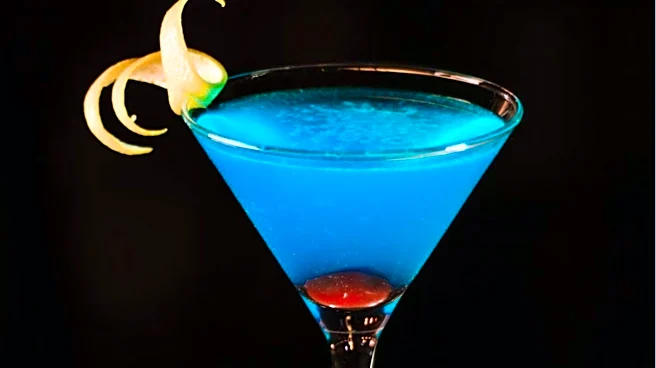
ordered, the Manhattan has taken a backseat. Similarly, Kinga Mackowiak, Director of Food and Beverage at Apple Blossom, laments the decline in popularity of the Paper Plane, a modern classic she finds balanced and approachable. Tammy Bouma, General Manager at Lady Jane, also identifies several 'off-beat' classics, such as the Diamondback, that are rarely ordered despite their appeal. These industry professionals suggest that guests often stick to familiar drinks or are intimidated by cocktails with less common ingredients, leading to a lack of exposure for many well-crafted classics. The classic daiquiri, despite being a benchmark for a bartender's skill, is also described as a 'forgotten classic' by Craig, who finds it exciting to see how other professionals execute it.
Why It's Important?
This trend highlights a broader challenge within the U.S. hospitality industry, particularly for bars and restaurants that pride themselves on diverse and expertly crafted cocktail menus. When customers consistently opt for a limited range of popular drinks, it can stifle creativity among bartenders and potentially lead to a homogenization of cocktail offerings. For establishments, this might mean less opportunity to showcase unique skills or introduce patrons to new flavor profiles. Economically, a narrow focus on a few high-demand cocktails could impact ingredient sourcing and inventory management, potentially leading to waste if less popular ingredients expire. Furthermore, it suggests a missed opportunity for consumer education and exploration, as many patrons might be unaware of the rich history and diverse flavors available in the classic cocktail canon. The emphasis on 'approachable' drinks also reflects a consumer preference for familiarity over adventurousness, which could influence future beverage development and marketing strategies across the industry.
What's Next?
To counter this trend, Denver bartenders are actively encouraging patrons to explore beyond their usual orders. Brandon Craig suggests swapping an Old Fashioned for a Manhattan or a Vieux Carré, while Tammy Bouma recommends trying a Sidecar instead of a Margarita, or exploring rye whiskey-based drinks like a Revolver or a Corn 'n' Oil. Kinga Mackowiak advocates for the Last Word, a drink that inspired the Paper Plane, despite its less familiar ingredients. These efforts indicate a proactive approach by industry professionals to reintroduce and educate customers about the value and enjoyment of lesser-known classics. This could lead to more curated menus, special promotions, or educational events aimed at broadening customer palates. The success of these initiatives will likely depend on effective communication and the willingness of patrons to step outside their comfort zones, potentially revitalizing interest in a wider array of classic cocktails and fostering a more adventurous drinking culture.
Beyond the Headlines
The phenomenon of overlooked classic cocktails extends beyond mere preference; it touches upon cultural and psychological aspects of consumer behavior. In an age of rapid information and endless choices, familiarity often provides comfort and reduces decision fatigue. For many, ordering a well-known drink is a safe bet, avoiding the perceived risk of trying something new that might not be enjoyed. This behavior can inadvertently limit cultural exposure to the artistry and history embedded in classic mixology. The 'intimidation' factor cited by Mackowiak regarding unfamiliar ingredients points to a broader societal trend where consumers may shy away from complexity. Over time, if this trend continues, it could lead to a loss of traditional cocktail knowledge and techniques, as bartenders might prioritize making popular drinks over mastering a wider repertoire. The efforts by Denver bartenders to re-educate and encourage exploration are therefore not just about selling drinks, but about preserving a culinary art form and enriching the consumer experience.