





What's Happening?
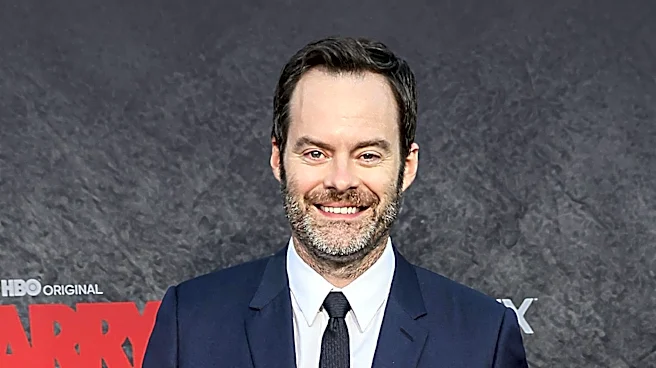
Warner Bros. Pictures Animation has released a new animated adaptation of Dr. Seuss's 'The Cat in the Hat,' with Bill Hader voicing the titular character. The film, which has been in development for an extended period, aims to offer a fresh take on the classic
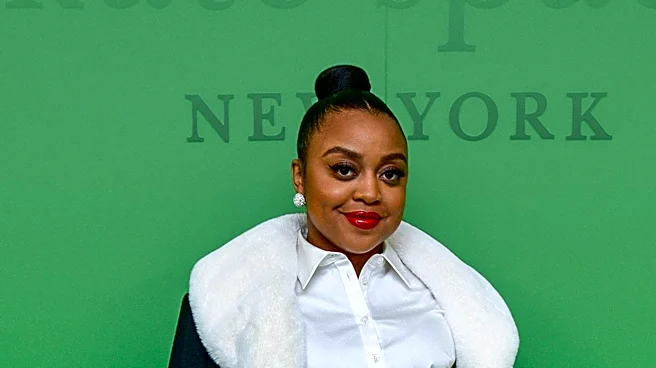
story, incorporating modern liberties and a corporate-fantasy setting where the Cat's job is to make children happy. The movie features vibrant visuals, character designs that pay homage to Seuss's illustrations, and a strong vocal performance from Hader, supported by Quinta Brunson as HR bestie Sherrie and Giancarlo Esposito as the villainous Mr. Hoogeboom. Despite some narrative flaws, including an overcrowded plot with multiple villains and underdeveloped themes, the film is praised for its visual appeal, humor, and Hader's energetic portrayal.
Why It's Important?
This new animated 'The Cat in the Hat' adaptation is significant for Warner Bros. Pictures Animation as it represents a major effort to revitalize a beloved Dr. Seuss property for a new generation of audiences in the U.S. The choice of Bill Hader, known for his comedic talent, to voice the Cat indicates a strategic move to inject fresh energy and humor into the character, potentially appealing to both children and adults. The film's modern setting and corporate elements reflect an attempt to make the classic story relevant to contemporary themes, which could influence future adaptations of other iconic children's literature. Its success or shortcomings will likely inform Warner Bros.' approach to its animation slate and its strategy for leveraging well-known intellectual properties in a competitive entertainment market.
What's Next?
The reception of this 'The Cat in the Hat' adaptation will be closely watched by Warner Bros. Pictures Animation and the broader animation industry. Positive audience feedback, particularly regarding Hader's performance and the film's visual style, could pave the way for more Dr. Seuss adaptations or similar animated projects that blend classic stories with modern sensibilities. Conversely, if the narrative weaknesses are heavily criticized, it might prompt the studio to re-evaluate its storytelling approach for future animated features. The film's performance will also contribute to the ongoing discussion about the balance between honoring source material and introducing contemporary elements in adaptations of beloved children's books.
Beyond the Headlines
The film's attempt to modernize 'The Cat in the Hat' by placing the character in a corporate-fantasy setting and exploring themes of living in the moment and accepting messiness touches on deeper cultural shifts. It reflects a societal trend of reinterpreting classic narratives through a contemporary lens, often to address modern anxieties or to make them more relatable to current audiences. The critique of the film's overcrowded narrative and underdeveloped themes highlights the challenge of balancing commercial appeal with artistic integrity in adaptations. It also raises questions about the pressure on children's entertainment to deliver complex messages while maintaining its core appeal. The film's visual homage to Seuss's original artwork, despite a 'so-so animation style' in human designs, underscores the enduring power of classic illustration and the ongoing debate about animation aesthetics in the digital age.