




What's Happening?
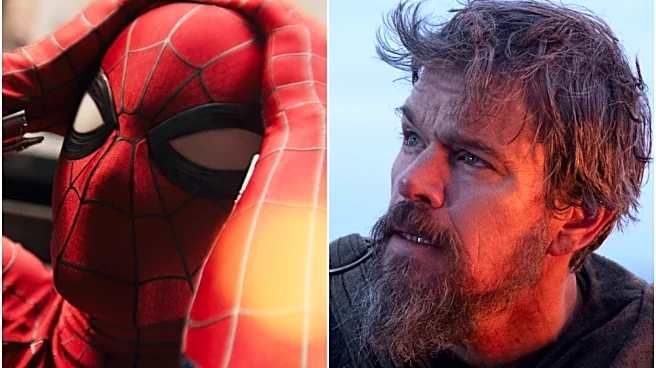
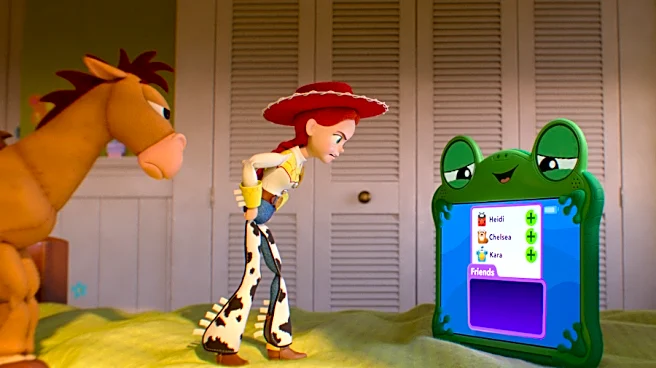
Former Disney cast members are speaking out about instances of harassment and overly attached behavior from some adult park guests, often referred to as 'Disney Adults.' Justin Sanger, who worked at Disney World for over nine years portraying characters
like Hades and Woody, stated that 'adult stalkers are much more common than you would think,' with female characters experiencing this more frequently. He noted that the rise of social media has intensified these interactions, making some guests feel more 'connected' to characters or the performers. Rob Millerick, a former character performer for Nick Wilde from Zootopia, recounted how a group of young adults, led by one particularly obsessive individual, began showing up daily to his parade performances, leading to aggressive behavior and ultimately contributing to his decision to quit. These accounts highlight a blurring of lines between fantasy and reality for some park visitors, leading to uncomfortable and sometimes threatening situations for performers.
Why It's Important?
This issue underscores the challenges faced by entertainment companies like Disney in managing guest interactions, particularly as social media amplifies fan engagement. The safety and well-being of park employees are paramount, and reports of harassment from 'Disney Adults' can negatively impact staff morale and retention. For Disney, maintaining its family-friendly image while addressing these incidents is crucial. The phenomenon also raises broader questions about parasocial relationships and the impact of online platforms on real-world behavior. If not effectively managed, such incidents could lead to stricter interaction policies, potentially diminishing the magical experience for well-behaved guests, or even legal repercussions for the company if employee safety is compromised. The balance between fostering a magical environment and ensuring employee protection is a significant operational and ethical challenge.
What's Next?
While Disney has not publicly commented on these specific allegations, the company's foundational training emphasizes safety, courtesy, show, and efficiency. It is likely that Disney will continue to review and potentially reinforce its policies and training for cast members on handling difficult guest interactions. This could involve clearer guidelines for identifying and reporting problematic behavior, increased security presence, or more proactive intervention strategies. For guests, there might be a renewed emphasis on appropriate conduct within the parks, possibly through public awareness campaigns or updated park rules. The ongoing discussion on social media regarding 'Disney Adults' could also prompt further scrutiny and self-reflection within the fan community, potentially leading to a shift in how some guests approach character interactions.
Beyond the Headlines
The 'Disney Adult' phenomenon, particularly its more extreme manifestations, reflects a societal trend where the boundaries between fictional worlds and reality can become blurred for some individuals. This can be exacerbated by the immersive nature of theme parks and the personal connection many feel to beloved characters. The ethical implications extend to the responsibility of entertainment providers to protect their employees from the unintended consequences of fostering deep emotional connections with fictional personas. Culturally, it highlights a tension between the desire for escapism and the need for respectful, real-world interactions. The long-term shift could involve a re-evaluation of how character interactions are structured, potentially moving towards more controlled environments to safeguard performers, while still preserving the magic that draws millions to Disney parks annually.