




What's Happening?
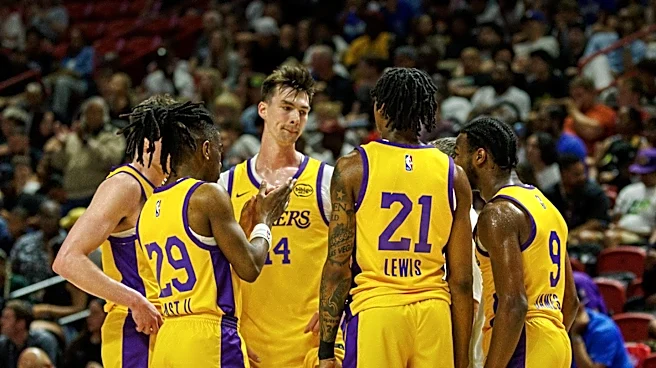
Josh Kushner and Bob Iger have acquired the Los Angeles Lakers from Mark Walter, who is currently under federal investigation. Walter, a principal figure behind Guggenheim Partners and TWG Global, which control various financial businesses, sold the team
approximately a year after purchasing it. The sale occurred as federal investigators are scrutinizing Walter's insurance companies, Delaware Life and Clear Spring Life & Annuity. The investigation centers on whether these companies improperly characterized billions of dollars in investments connected to affiliated businesses within Walter's financial empire. Initially, Delaware Life reported $1.4 billion in such investments, comprising about 3% of its assets. However, a revised disclosure revealed the actual figure to be $17 billion, representing 40% of invested assets, with a total of $21 billion across both companies reclassified as related party transactions. Federal authorities are examining whether these discrepancies constitute improper disclosures and involve financial reporting and securities-related issues. Walter has also divested his interest in Chelsea of the English Premiere League and is reportedly exploring sales of the LA Sparks and Cadillac F1 teams.
Why It's Important?
This transaction and the surrounding investigation highlight significant concerns regarding financial transparency and potential conflicts of interest within large financial conglomerates. The federal probe into Mark Walter's business dealings underscores the regulatory scrutiny faced by insurance companies and investment firms, particularly when inter-company transactions involve policyholder assets. The substantial discrepancy in reported investments—from $1.4 billion to $17 billion—raises questions about the accuracy of financial disclosures and the potential risks policyholders might unknowingly bear. For the sports industry, the rapid divestment of major franchises like the Lakers and Chelsea by a prominent owner due to external financial pressures could signal a period of instability or increased due diligence in ownership transfers. The involvement of figures like Josh Kushner and Bob Iger in acquiring a high-profile team like the Lakers also indicates continued interest from influential investors in the sports market, even amidst broader financial controversies affecting previous owners.
What's Next?
The federal investigation into Mark Walter's financial dealings is ongoing, with authorities pursuing two parallel tracks: one focusing on related-party disclosure compliance and the other on financial reporting and securities issues. The outcome of this investigation could lead to significant regulatory actions, fines, or legal consequences for Walter and his associated companies. For the Los Angeles Dodgers, another franchise owned by Walter, there is uncertainty regarding its future ownership, despite Walter's current stance that he has no plans to sell. The rapid divestment of other sports assets suggests that further sales could occur depending on the progression and findings of the federal probe. The new ownership of the Lakers under Josh Kushner and Bob Iger will likely focus on stabilizing the franchise and continuing its operations, potentially seeking to distance the team from the financial controversies of its previous owner. The broader financial industry may also see increased regulatory oversight and demands for greater transparency in investment reporting, particularly concerning affiliated transactions.
Beyond the Headlines
The situation surrounding Mark Walter's divestments and the federal investigation delves into the complex interplay between sports ownership, vast financial empires, and regulatory compliance. It exposes the potential vulnerabilities when significant portions of policyholder funds are invested in businesses connected to the owner, raising ethical questions about fiduciary duties and investor protection. The reclassification of billions in loans as related-party transactions highlights a systemic challenge in financial reporting, where the true extent of interconnectedness within corporate structures can be obscured. This case could serve as a precedent for how regulatory bodies scrutinize and enforce transparency in complex financial arrangements, potentially leading to stricter disclosure requirements across the insurance and investment sectors. Furthermore, it underscores how personal financial entanglements of owners can directly impact the stability and ownership of major sports franchises, illustrating the broader economic and ethical dimensions that extend beyond the immediate sports headlines.