







What's Happening?
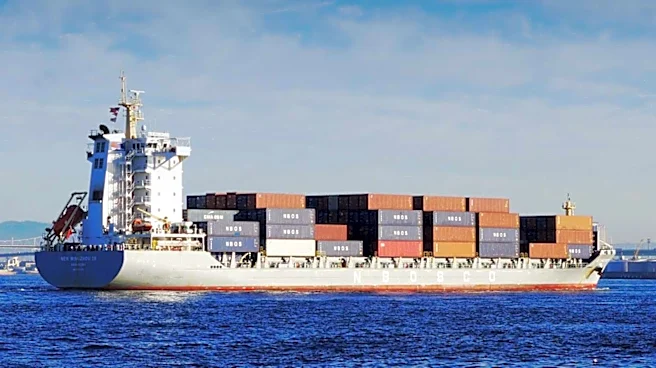
The construction industry is experiencing significant fragmentation and supply chain disruptions, leading to increased input costs and project delays. Geopolitical tensions and logistical challenges, such as those in the Red Sea, have caused a surge in material
costs, particularly for critical resources like copper. The S&P Global/CIPS Construction PMI has reported a rise in input costs, with firms citing delays in imported materials from Asia. Beyond external factors, the industry is grappling with internal fragmentation due to a proliferation of communication channels. Project stakeholders often use various platforms like WhatsApp, email, and Telegram, leading to coordination failures and inefficiencies. Information about material delays or schedule changes can be scattered across these disparate channels, causing equipment to sit idle, crews to wait, and subcontractors to miss their slots. This lack of a unified communication and data management system means that real-time information is often fragmented, leading to decisions being made based on incomplete or outdated data.
Why It's Important?
This growing fragmentation and supply chain instability pose substantial risks to the U.S. construction industry and the broader economy. Increased input costs for materials like copper, which is vital for green energy and data center infrastructure, can drive up the overall cost of construction projects. This directly impacts developers, general contractors, and ultimately, consumers through higher prices for new buildings and infrastructure. The coordination failures stemming from fragmented communication channels lead to significant operational inefficiencies, project delays, and cost overruns. These delays can ripple through the economy, affecting sectors reliant on new construction, such as housing, commercial real estate, and public infrastructure development. The inability to effectively manage and integrate information across various stakeholders means that projects are less predictable, more expensive, and prone to setbacks, hindering economic growth and investment in critical infrastructure.
What's Next?
The construction industry is increasingly looking towards integrated systems and advanced technologies to address these fragmentation challenges. The need for solutions that can consolidate information from various communication channels and project management tools is becoming paramount. Companies are exploring the implementation of AI-driven platforms and digital twins to create a unified operational layer for supply chain management. These technologies aim to provide real-time visibility into project status, anticipate potential delays, and automate coordination tasks. The adoption of such integrated systems could lead to more efficient resource allocation, reduced project timelines, and better cost control. However, the successful implementation of these solutions will require significant investment in technology and a shift in industry practices to embrace more centralized and data-driven approaches to project management.
Beyond the Headlines
The underlying issue of fragmentation in the construction industry extends beyond mere logistical challenges; it highlights a systemic problem of information silos and a lack of standardized communication protocols. The reliance on a multitude of informal and formal communication channels, each holding a piece of the 'truth,' creates an environment where real-time operational awareness is severely compromised. This not only impacts project efficiency but also raises questions about accountability and risk management. The long-term implications could include a widening gap between technologically advanced construction firms and those that lag, potentially leading to competitive disadvantages. Furthermore, the ethical dimension of data ownership and privacy within these integrated systems will become increasingly important as more information is centralized. The industry's ability to adapt to a more integrated and data-driven operational environment will be crucial for its resilience and future growth in an increasingly complex global supply chain landscape.