





What's Happening?
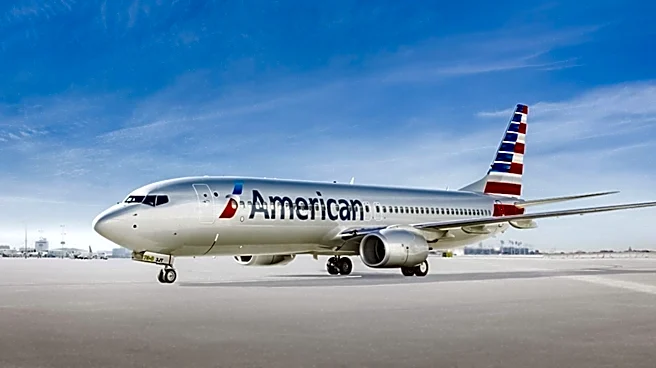
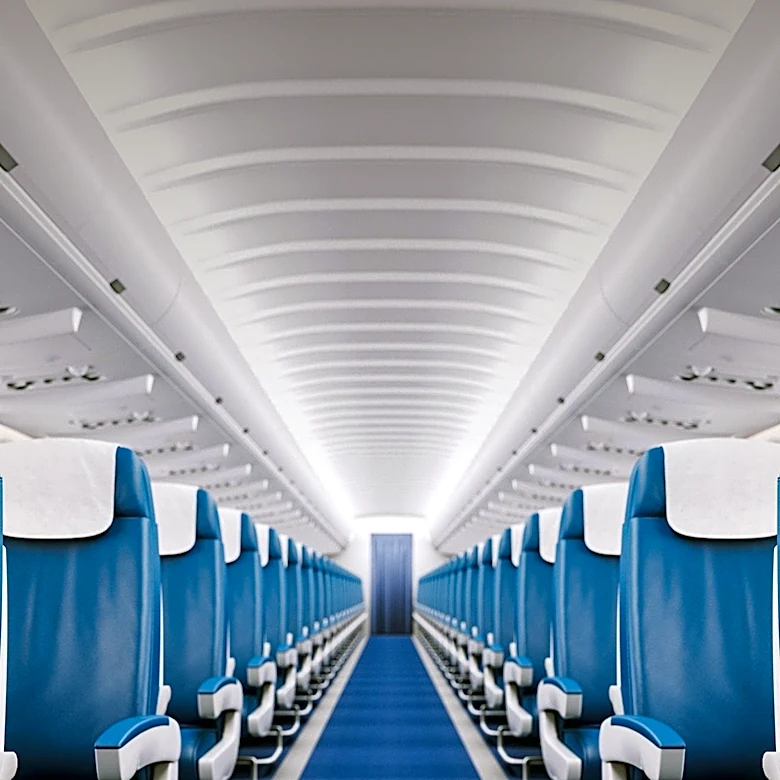
American Airlines has announced plans to equip its entire fleet of 876 mainline single-aisle aircraft with personal inflight entertainment displays in economy class. This rollout is scheduled to begin in 2028, with completion anticipated by the early
2030s. The airline's 140 twin-aisle widebody planes and new long-range Airbus A321XLRs already feature seatback screens in all classes, but regional aircraft operating under the American Eagle brand will not receive these upgrades. This move marks a significant shift for American Airlines, which previously, under former CEO Doug Parker, emphasized that the cost of screens was not justified given that most travelers use their own portable devices. The new displays will include USB-C charging ports and Bluetooth connectivity. This initiative is part of a broader investment in the onboard experience, which also includes offering ultra-fast Starlink inflight connectivity on 500 planes starting next year and renovating Admirals Clubs.
Why It's Important?
This decision by American Airlines is important as it signals a strategic pivot to align with competitors like Delta Air Lines and United Airlines, which already offer seatback screens in economy. For years, American's lack of in-flight entertainment in economy cabins on narrowbody aircraft was seen as a detractor, potentially tarnishing its image as a premium global airline, especially as the industry has seen a general shift towards enhanced premium amenities. By investing in seatback screens, American aims to improve customer satisfaction and loyalty, particularly among leisure and business travelers who value in-flight entertainment. The addition of USB-C charging and Bluetooth connectivity addresses modern traveler needs, enhancing the overall passenger experience. This investment could help American Airlines better compete in a market where passenger comfort and connectivity are increasingly significant factors in airline choice.
What's Next?
American Airlines will begin the phased installation of seatback screens on its narrowbody fleet in 2028, with the goal of completing the upgrade across all mainline single-aisle aircraft by the early 2030s. Concurrently, the airline will introduce ultra-fast Starlink inflight connectivity on 500 planes starting next year. American also plans to add more first-class and extra-legroom economy (Main Cabin Extra) seats to all its mainline narrowbodies, aiming for premium seats to constitute approximately 40% of all seats on single-aisle planes. The new Boeing 737 MAX 10s, expected to arrive in 2029, will feature 24 first-class seats. These changes indicate a sustained effort by American Airlines to enhance its premium offerings and overall customer experience in the coming years.
Beyond the Headlines
American Airlines' reversal on seatback screens reflects a broader industry trend and evolving consumer expectations in air travel. The initial decision to remove screens was based on the premise that personal devices would suffice, but the market has shown a continued demand for integrated entertainment systems, especially for longer flights. This shift highlights the airline industry's constant balancing act between cost-efficiency and passenger experience. The move also underscores the increasing importance of connectivity and personalized amenities in modern travel, suggesting that airlines are recognizing the value of a comprehensive, integrated in-flight experience beyond just transportation. This could set a new standard for what passengers expect from major carriers, potentially influencing other airlines to follow suit or further innovate their onboard offerings.