





What's Happening?
Sandy Liang is a New York-based fashion brand that primarily focuses on women's wear. The brand offers a diverse range of clothing items including coats, fleece jackets, dresses, knits, shirts, and skirts. In addition to apparel, Sandy Liang also designs
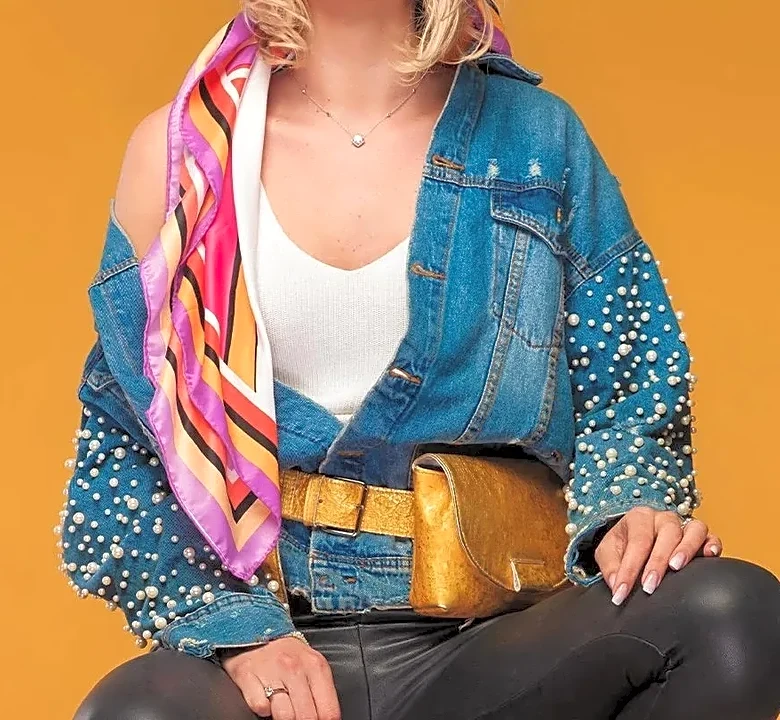
and sells shoes, bags, jewelry, and hair accessories. The brand's design inspiration is deeply rooted in the designer's childhood memories of growing up in New York during the 1990s. This includes observations of people's clothing around her family's restaurant and in Chinatown, her grandmother's style, and influences from anime and movies she enjoyed as a girl. Initially, the brand gained recognition for its voluminous outerwear, such as coats and fleece jackets, characterized by bold silhouettes, material combinations like leather and shearling, and later incorporated feminine details like ribbons, ruffles, lace, floral patterns, and pleats. A notable item is the 'Mary Jane Pointe,' which combines elements of Mary Jane shoes with ballet toe shoes.
Why It's Important?
The Sandy Liang brand's approach to fashion is significant for the U.S. fashion industry as it showcases a unique blend of nostalgic influences with contemporary design. By drawing inspiration from personal history and local culture, the brand contributes to the diverse narrative within American fashion, offering a distinct aesthetic that resonates with consumers seeking individuality and storytelling in their clothing. The brand's evolution from focusing on outerwear to incorporating more feminine details demonstrates adaptability and a broad appeal, which can influence trends in women's wear. Its success highlights the viability of niche brands that prioritize unique design perspectives over mass-market trends, potentially inspiring other emerging designers in the competitive U.S. fashion landscape. The brand's ability to integrate elements from everyday life and personal heritage into high fashion also underscores a growing consumer demand for authenticity and connection in their purchasing choices.
What's Next?
The Sandy Liang brand is expected to continue its trajectory of evolving its design aesthetic while maintaining its core identity rooted in New York-inspired nostalgia. Future collections may further explore the integration of sporty wear and casual everyday clothing with more structured or ballet-inspired designs, as hinted by its current style direction. The brand's expansion into various accessories suggests a continued effort to offer a comprehensive lifestyle brand experience. Given its established presence in the women's wear market, Sandy Liang may explore collaborations with other brands or artists, further broadening its reach and influence. The brand's commitment to unique design and storytelling indicates it will likely remain a significant player in shaping contemporary fashion trends, particularly for consumers who appreciate a blend of personal history and modern style. Continued innovation in material use and silhouette experimentation can also be anticipated.
Beyond the Headlines
Beyond its immediate fashion offerings, Sandy Liang's brand narrative reflects broader cultural trends in the U.S. fashion industry, particularly the increasing value placed on personal storytelling and authenticity. The designer's ability to translate childhood memories and observations from her New York upbringing into tangible fashion pieces speaks to a desire among consumers for clothing that carries meaning and a sense of identity. This approach challenges the traditional fast-fashion model by emphasizing thoughtful design and unique inspiration. Furthermore, the brand's success highlights the enduring influence of specific urban environments, like New York City's Chinatown, on creative expression in fashion. It also subtly champions the idea that everyday life and personal heritage can be rich sources of artistic inspiration, contributing to a more diverse and inclusive representation within the fashion world. This focus on personal narrative can foster a deeper connection between the brand and its audience, moving beyond mere consumption to a shared appreciation of cultural and personal history.