






What's Happening?
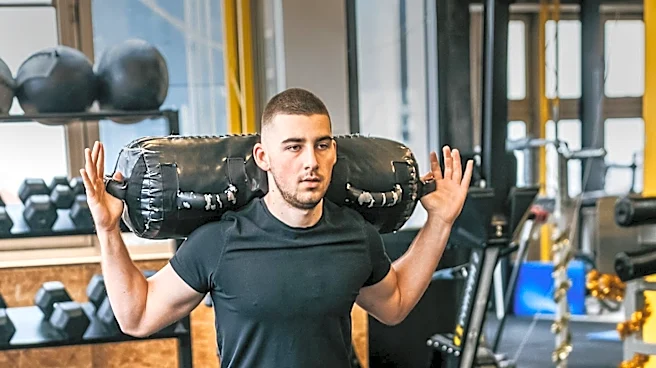
A recent podcast episode featuring Jeff Cavaliere, M.S.P.T., C.S.C.S., delves into the optimization of resistance training and interval training for individuals as they age. The discussion focuses on strategies for muscle growth, improved function, and injury
risk management, particularly for those in their 40s, 50s, and beyond. Cavaliere shares insights from his experience with professional athletes and personal injury management, emphasizing how training should evolve to build strength while minimizing long-term joint health risks. The episode covers topics such as balancing reps in reserve with training to failure, the differences between training for aesthetics and functional performance, and common training mistakes. It also provides a muscle-by-muscle breakdown of effective exercises and identifies exercises with high injury risk, offering safer alternatives.
Why It's Important?
This podcast is highly relevant to the aging U.S. population, which is increasingly focused on maintaining health and physical function later in life. As life expectancies rise, there's a growing demand for actionable guidance on safe and effective exercise, particularly resistance and interval training, which are crucial for combating age-related muscle loss and maintaining metabolic health. The emphasis on injury prevention and modifications for pain addresses a significant concern for older adults, making fitness more accessible and sustainable. For the healthcare and fitness industries, this content highlights the need for specialized programs and expert advice tailored to the unique physiological changes associated with aging, potentially influencing training methodologies and product development.
What's Next?
The insights shared in this podcast could influence how fitness professionals and healthcare providers approach exercise recommendations for older adults in the U.S. There may be an increased focus on personalized training plans that prioritize injury prevention and functional strength over purely aesthetic goals. Educational content, workshops, and specialized fitness programs catering to the aging demographic are likely to expand. Furthermore, the discussion on balancing training intensity and volume could lead to a re-evaluation of current exercise guidelines for older populations, promoting more sustainable and less risky training practices. Consumers can expect more nuanced advice on exercise as they age, moving beyond one-size-fits-all approaches.
Beyond the Headlines
The conversation around optimizing exercise for aging individuals reflects a broader cultural shift towards proactive health management and longevity. It underscores the understanding that physical activity is not just for youth or competitive athletes but is a lifelong endeavor critical for quality of life. The podcast's focus on the 'exercise graveyard' and safer alternatives also highlights a growing awareness of the potential downsides of certain popular exercises, encouraging a more evidence-based and cautious approach to physical training. This could lead to a more informed public that questions conventional fitness wisdom and seeks out expert-backed, personalized guidance, ultimately fostering a healthier and more resilient aging population in the U.S.