


What's Happening?
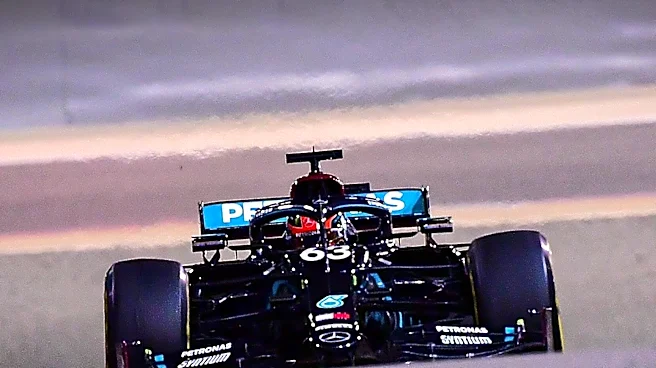
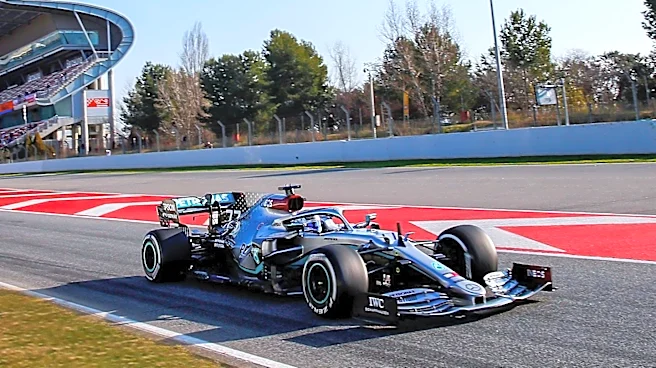
Mercedes is introducing a new turbo specification, under the ADUO system, at the Las Vegas Grand Prix. This development, which has been in progress for some time, was initially expected earlier in the autumn but was delayed. The team has already secured
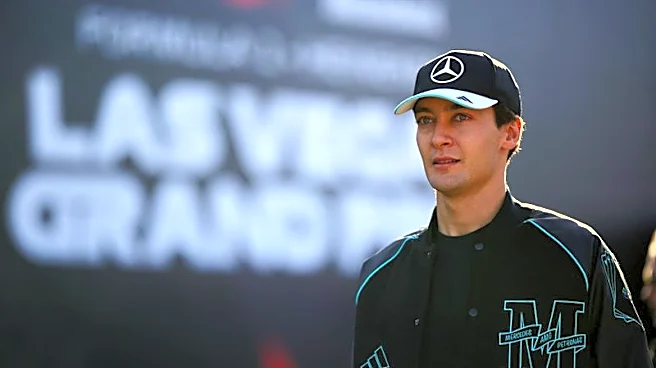
both the constructors’ and drivers’ championships for 2026, with three races remaining. Team principal Toto Wolff stated that the primary objective of this introduction is to validate the development in race-weekend conditions, with only a small performance benefit expected immediately. The upgrade will be fitted exclusively to Kimi Antonelli’s car, as George Russell has already exceeded his permitted turbocharger allocation, and installing another specification would result in a five-place grid penalty. This decision allows Antonelli, who has already secured the championship, to focus on learning about next year's package, while Russell continues to contend for second place in the standings.
Why It's Important?
This strategic move by Mercedes highlights a shift in focus from immediate race results to long-term development, particularly for the 2027 season. By testing the new turbo specification on Antonelli's car, Mercedes gains valuable data and insights into the effectiveness of their work, which will inform their future power unit development program. This approach is crucial for maintaining a competitive edge in Formula 1, where continuous innovation is key. The decision to avoid a grid penalty for Russell underscores the team's commitment to his individual championship standing, while simultaneously leveraging Antonelli's position to gather critical development information. This dual strategy allows Mercedes to optimize both current season objectives and future performance, setting a precedent for how leading teams manage success and prepare for upcoming regulations.
What's Next?
The data gathered from Antonelli's performance with the new turbo specification in Las Vegas will be crucial for Mercedes' long-term development program. This information will directly influence the design and performance of their 2027 cars. The team will analyze the effectiveness of the upgrade in race conditions, providing early indications of the potential of their next stage of power unit development. While the immediate impact on the competitive order in Las Vegas is expected to be minimal, the insights gained will be vital for future seasons. Mercedes will continue to pursue its remaining objectives for the 2026 season, including helping George Russell secure the highest possible position in the drivers' championship and ending the year with strong momentum, while simultaneously laying the groundwork for sustained success.
Beyond the Headlines
The introduction of the new turbo specification by Mercedes, despite having already secured both championships, reflects a deeper strategic imperative in Formula 1: the relentless pursuit of technological advancement. This move transcends the immediate competitive landscape, highlighting the ethical and engineering commitment to continuous improvement. It also underscores the complex balance teams must strike between current season performance and future development, especially under stringent regulations regarding component usage and penalties. The decision to prioritize Antonelli for this test, given his championship status, showcases a pragmatic approach to resource allocation and risk management. This long-term vision, even in moments of triumph, is a defining characteristic of elite Formula 1 teams and influences the broader technological arms race within the sport, pushing the boundaries of automotive engineering and performance.