


What's Happening?
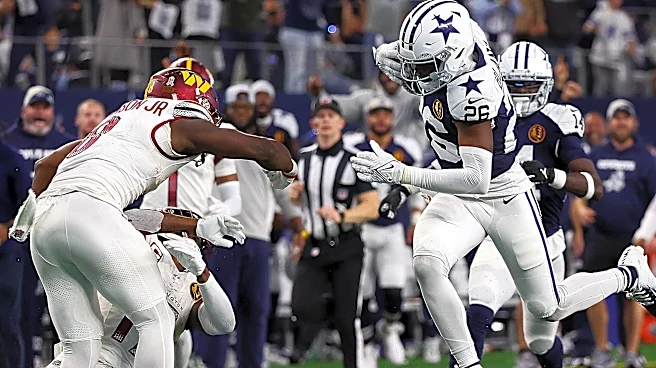
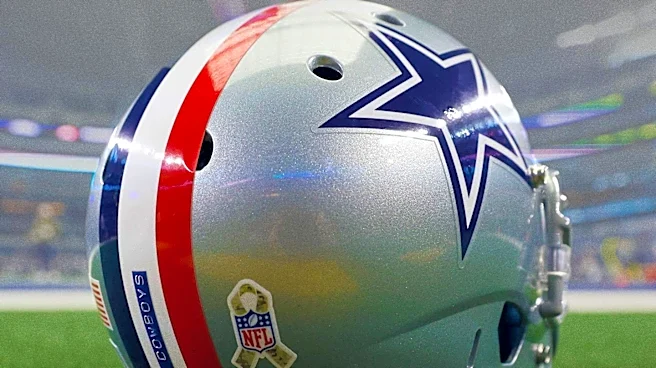
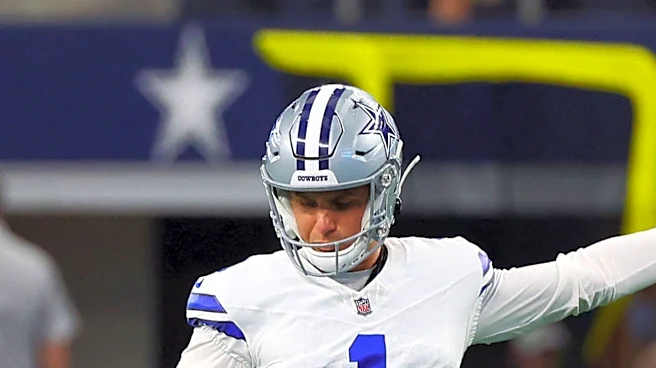
The Dallas Cowboys have begun the process of removing the natural grass field at AT&T Stadium, which was installed for the 2026 FIFA World Cup. The stadium, which hosted nine World Cup matches, is transitioning back to artificial turf for the upcoming
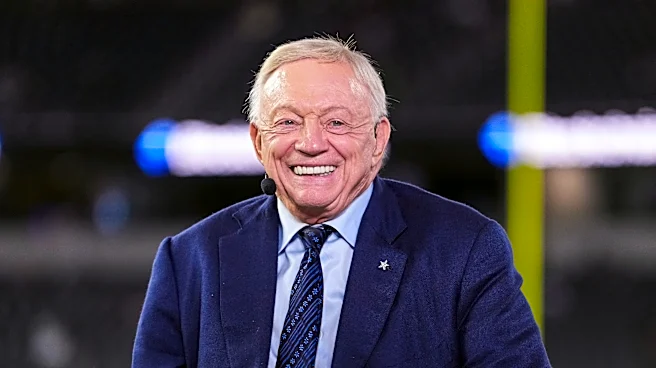
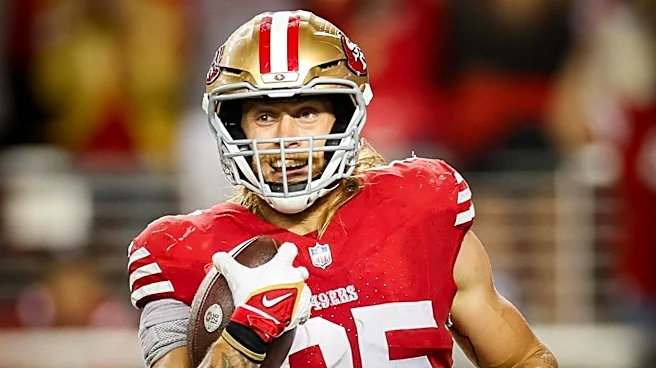
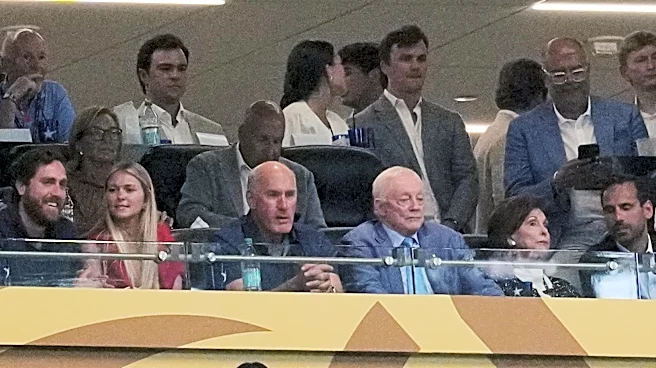
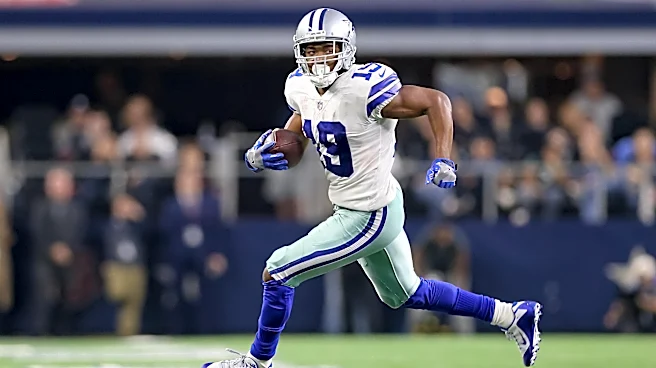
NFL season. This change aligns with the typical setup for AT&T Stadium, as well as Gillette Stadium, home to the New England Patriots, which also hosted World Cup matches and is reverting to artificial turf. Despite some NFL players, including San Francisco 49ers' George Kittle, advocating for natural grass fields, Cowboys owner Jerry Jones has stated that there are no plans to switch from artificial turf for NFL games. Jones argues that artificial turf offers more flexibility and economic benefits, which ultimately benefit the players financially.
Why It's Important?
The decision to revert to artificial turf at AT&T Stadium highlights the ongoing debate within the NFL regarding playing surfaces. Many players prefer natural grass due to perceived safety benefits, but stadium owners often favor artificial turf for its durability and cost-effectiveness. This decision impacts player safety discussions and could influence future negotiations between the NFL and the NFL Players Association. The economic implications are significant, as artificial turf allows for more diverse use of stadiums, potentially increasing revenue opportunities. This decision underscores the balance between player safety concerns and financial considerations in professional sports.
What's Next?
As the NFL season approaches, the debate over playing surfaces is likely to continue. The NFL Players Association may increase pressure on team owners to consider natural grass, especially if player safety concerns persist. Future discussions could involve more comprehensive studies on the safety of different playing surfaces. Additionally, the financial implications of maintaining artificial turf versus natural grass will remain a key consideration for stadium owners. The outcome of these discussions could influence stadium policies and player contracts in the coming years.