






What's Happening?
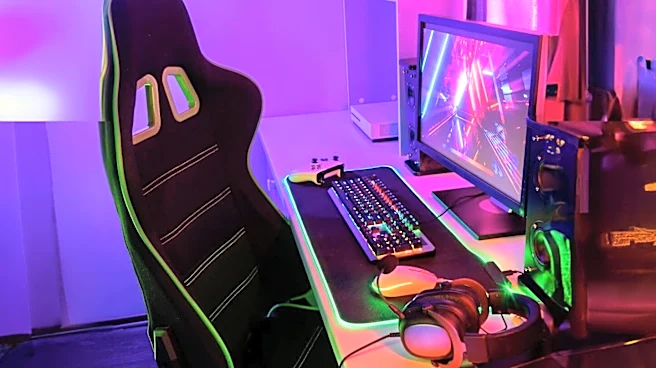
The market for LED gaming lights is expanding, offering a variety of products designed to create immersive and dynamic atmospheres in gaming spaces and home cinemas. These lighting solutions include smart LED wall panels, RGB light bars, and flexible
LED strips. Smart LED wall panels, often triangular or hexagonal, can be arranged individually to serve as both a light source and a decorative element. RGB light bars provide uniform mood lighting when placed behind monitors, desks, or along furniture edges. Flexible LED strips offer extensive design freedom, allowing users to wrap them around corners, shape them, or use them for TV backlighting. Modern LED systems emphasize intuitive control, with many offering smartphone app control for precise adjustments of colors, brightness, and dynamic effects. Voice control compatibility with assistants like Google Assistant or Amazon Alexa is also common. A key feature is music sync, where lights react in real-time to ambient sounds or music, transforming audio into light effects. The technology behind these lights includes RGB, where all LEDs light up in the same color, and the more advanced RGBIC, which allows multiple colors to be displayed simultaneously on a single strip for smoother gradients and dynamic effects.
Why It's Important?
The evolution of LED gaming lighting is significant for the entertainment and technology sectors, particularly for consumers seeking to enhance their digital experiences. The ability to create customizable and dynamic mood lighting transforms a standard room into an immersive environment, directly impacting user engagement and satisfaction in gaming and home cinema setups. This trend reflects a broader consumer demand for personalized and interactive technology that extends beyond core functionality to aesthetic and atmospheric elements. For businesses, this means a growing market for innovative lighting solutions, driving competition and product development in areas like smart home integration and advanced color technology (RGBIC). The emphasis on intuitive control, including app and voice commands, aligns with the increasing prevalence of smart home ecosystems, making these products more accessible and integrated into daily life. Furthermore, features like music sync tap into the sensory experience, offering a new dimension to how users interact with their media, potentially influencing future trends in home entertainment and ambient technology.
What's Next?
The future of LED gaming lighting is likely to see continued advancements in integration, customization, and sensory interaction. Manufacturers will probably focus on developing more sophisticated algorithms for music synchronization, allowing for even more nuanced and responsive light shows. We can expect deeper integration with other smart home devices and gaming platforms, potentially enabling lighting to react not just to music, but also to in-game events or user presence. The modularity of products like smart LED wall panels suggests a trend towards greater user creativity and DIY design, with more diverse shapes, sizes, and connectivity options becoming available. As artificial intelligence and machine learning advance, these lighting systems could become even more adaptive, learning user preferences and automatically adjusting lighting schemes based on activity, time of day, or even mood detection. The competition in this market will likely drive down costs while increasing feature sets, making advanced mood lighting more accessible to a wider audience. Additionally, there may be a push towards energy efficiency and sustainable materials in the production of these lighting solutions.
Beyond the Headlines
Beyond the immediate benefits of enhanced gaming and entertainment, the rise of advanced LED mood lighting has broader implications for interior design, well-being, and the human-technology interface. The ability to dynamically alter a room's ambiance with light can influence mood, productivity, and relaxation, suggesting potential applications in therapeutic environments or workspaces. The trend towards highly customizable and interactive lighting blurs the lines between functional illumination and artistic expression, transforming living spaces into dynamic canvases. This shift also highlights a growing desire for environments that are not static but responsive to individual needs and preferences, reflecting a deeper psychological connection between humans and their surroundings. Ethically, as these systems become more integrated and intelligent, questions may arise regarding data privacy related to user preferences and activity patterns. Culturally, the emphasis on creating 'immersive' environments through technology could further shape how people perceive and interact with their personal spaces, potentially leading to new forms of digital art and experiential design.