



What's Happening?
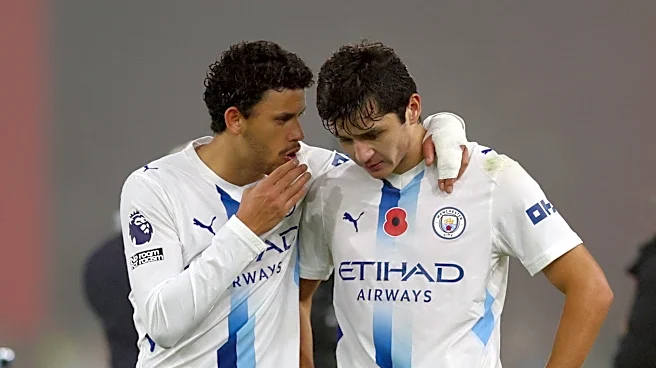
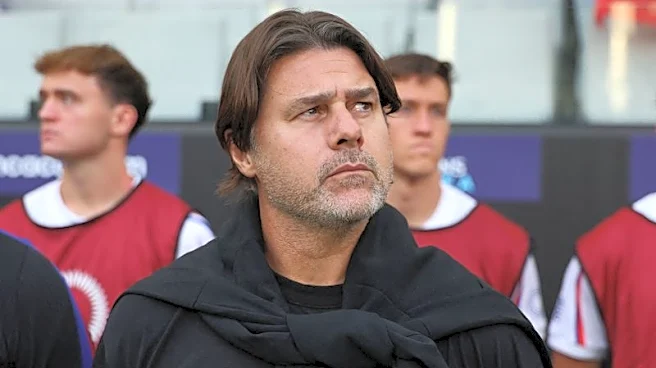
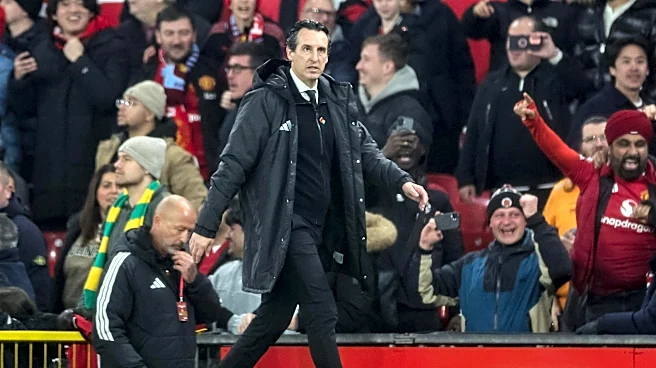
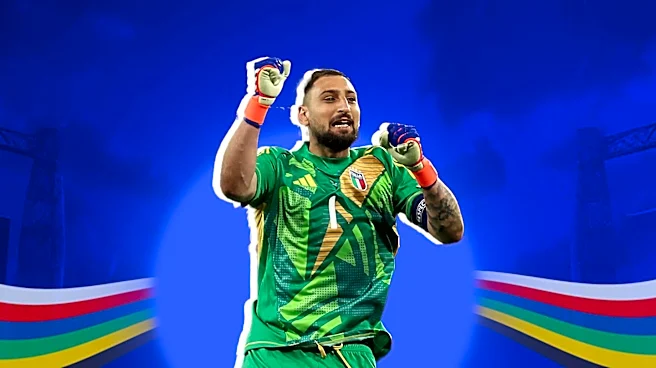
Manchester City manager Enzo Maresca has publicly defended goalkeeper Gianluigi Donnarumma following a period of intense scrutiny over his recent performances for both club and country. Donnarumma has faced criticism for several high-profile errors during
the 2026-27 season, including mistakes against Aston Villa, RB Leipzig, and Paris Saint-Germain in the Champions League. His international performances for Italy in the UEFA Nations League also drew attention, particularly an error against France and conceding four goals against Belgium. Despite these recent struggles, Maresca expressed full confidence in his number one goalkeeper, acknowledging the errors but highlighting Donnarumma's shot-stopping abilities. Maresca confirmed that Donnarumma will start in Manchester City's upcoming Premier League match against Fulham, emphasizing that such difficult moments are a normal part of any successful season, especially with a new manager and new players. The manager also called for balance in evaluating performances, stating that the team was not perfect during their winning streak nor as bad as perceived during their recent three-game losing streak.
Why It's Important?
This public backing from Enzo Maresca is crucial for Gianluigi Donnarumma, as it aims to stabilize his confidence and performance during a challenging period. For Manchester City, maintaining player morale, especially for a key position like goalkeeper, is vital for their title aspirations in the Premier League and their campaign in the Champions League. A lack of confidence in a goalkeeper can destabilize the entire defense and impact team performance. Maresca's approach also signals a broader strategy of protecting his players from external pressure, which is important for team cohesion and focus, particularly as the club navigates a transitional phase under a new manager. The decision to start Donnarumma against Fulham despite recent errors demonstrates a commitment to his long-term role and could either rebuild his form or intensify the debate if further mistakes occur. This situation highlights the immense pressure on top-tier athletes and the critical role of managerial support in their psychological well-being and on-field effectiveness.
What's Next?
Gianluigi Donnarumma is scheduled to start in Manchester City's upcoming Premier League match against Fulham. This game will be a significant test for the goalkeeper to demonstrate a return to form and justify his manager's faith. The outcome of this match, particularly Donnarumma's performance, will likely influence public and media perception, as well as potentially impact future team selections. Should he perform well, it could mark a turning point in his season and alleviate some of the pressure. Conversely, another error could intensify calls for him to be benched or for the club to consider other goalkeeping options. For Manchester City, the immediate focus is on securing a win against Fulham to regain momentum after a dip in results and to close the gap on league leaders. Manager Enzo Maresca will continue to emphasize a 'game-by-game' philosophy, avoiding discussions about long-term title races and focusing solely on immediate challenges.
Beyond the Headlines
The situation with Gianluigi Donnarumma extends beyond individual performance, touching upon the psychological resilience required at the elite level of professional sports. The intense media scrutiny and fan expectations can significantly impact a player's mental state, making managerial support a critical factor in their ability to overcome adversity. This scenario also highlights the broader challenge faced by clubs when investing heavily in high-profile players; managing their integration, performance fluctuations, and public image becomes paramount. The 'matter of balance' philosophy articulated by Maresca suggests a nuanced understanding of team dynamics, where individual errors are viewed within the context of collective performance and the natural ups and downs of a long season. This approach could serve as a model for other clubs dealing with similar situations, emphasizing patience and support over immediate punitive action, fostering a more resilient and cohesive team environment in the long run.