






What's Happening?
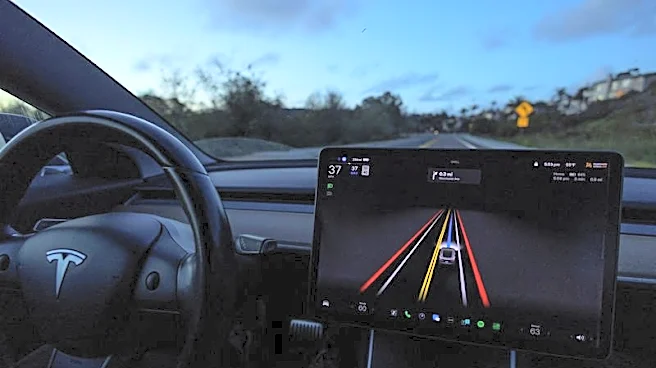
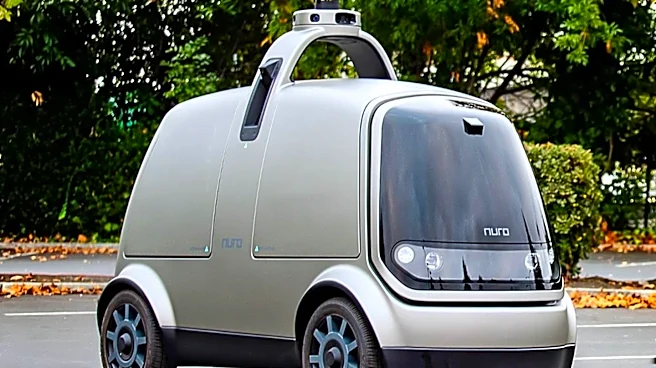
The National Highway Traffic Safety Administration (NHTSA) has proposed removing the requirement for manual brake pedals in self-driving vehicles. This regulatory change aims to facilitate the deployment of autonomous vehicles on U.S. roads. The proposal
maintains existing braking performance standards but seeks to eliminate the need for human driver controls in fully autonomous vehicles. This move is part of a broader effort by NHTSA to develop safety performance tests for self-driving cars and streamline the review process for exemption petitions from automakers.
Why It's Important?
The proposal represents a significant step towards integrating self-driving technology into the mainstream automotive market. By removing the brake pedal requirement, the NHTSA is addressing a key regulatory barrier that has hindered the deployment of autonomous vehicles. This could accelerate innovation and investment in the self-driving car industry, potentially transforming transportation infrastructure and reducing reliance on human drivers. However, it also raises safety concerns and the need for robust oversight to ensure these vehicles operate safely without traditional controls.
What's Next?
The NHTSA will likely seek public comments on the proposal, and automakers will continue to push for regulatory clarity to advance their autonomous vehicle projects. The agency's decision could influence future legislation and standards for self-driving technology, impacting how quickly these vehicles become a common sight on U.S. roads.