






What's Happening?
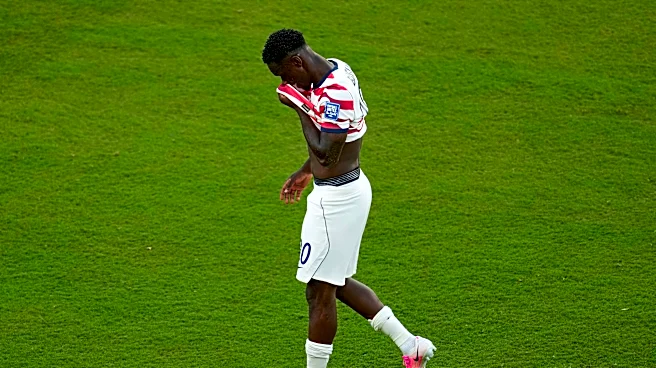
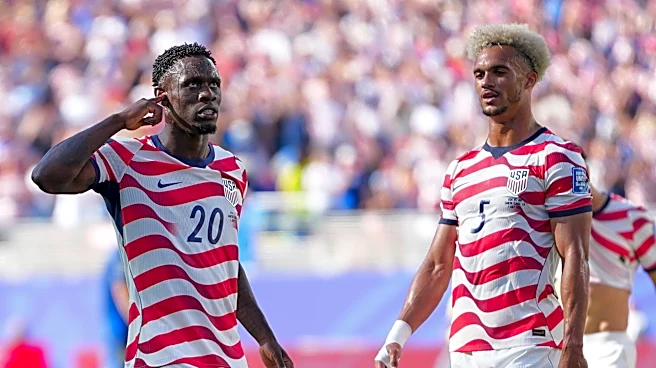
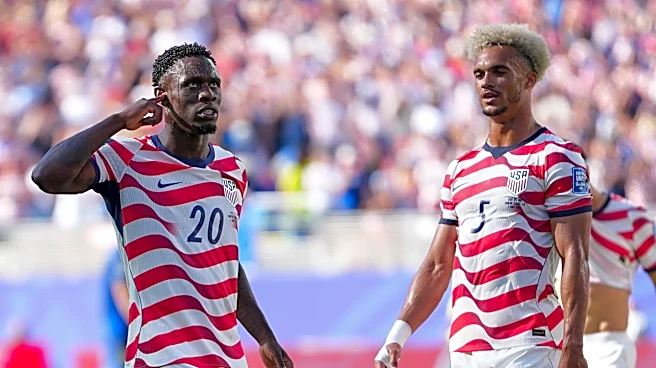
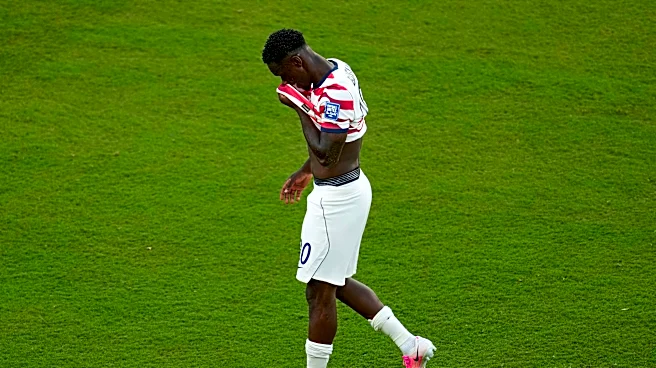
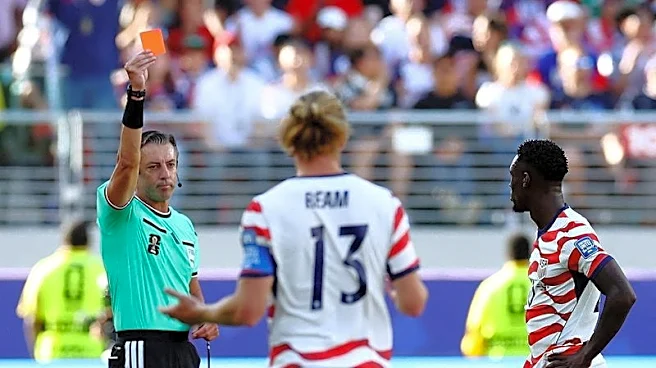
FIFA's decision to suspend the red card of U.S. soccer player Folarin Balogun allowed him to participate in the World Cup match against Belgium. Initially, Balogun was set to miss the game due to a red card received in a previous match against Bosnia-Herzegovina.
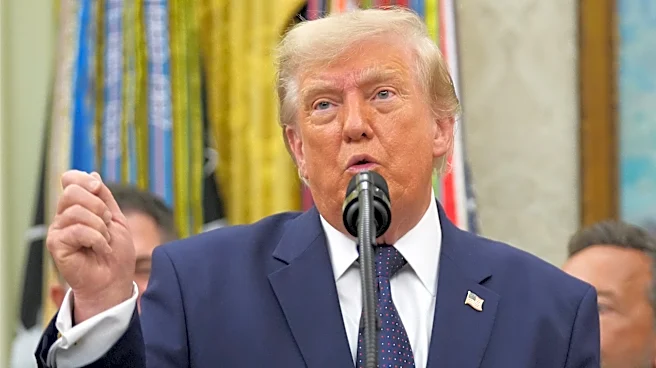
However, FIFA placed him on a one-year probation, enabling his participation. The decision was controversial, with President Trump reportedly contacting FIFA to discuss the suspension. Belgium and UEFA criticized the decision, questioning FIFA's independence and the influence of political figures on its rulings.
Why It's Important?
This development raises concerns about the impartiality of FIFA's disciplinary actions and the potential impact of political pressure on sports governance. The decision to allow Balogun to play despite the red card could undermine the consistency and fairness of FIFA's rules, affecting the organization's reputation. The incident also highlights the broader issue of political influence in international sports, which could lead to calls for reforms to ensure transparency and integrity in decision-making processes.
What's Next?
The U.S. team will continue its World Cup campaign, while FIFA may face increased scrutiny over its handling of disciplinary matters. The controversy could prompt discussions among international soccer bodies about the need for clearer guidelines and safeguards against political interference. Stakeholders may advocate for reforms to strengthen the independence of FIFA's judicial bodies and ensure fair play in international competitions.