



What's Happening?
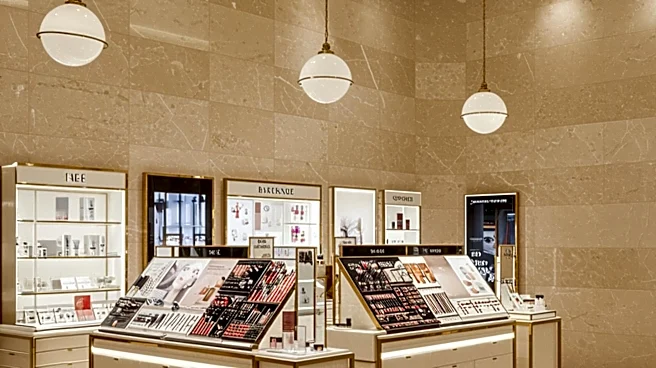
U.S. consumers are increasingly investing in personal care services, fueling what experts term the 'beauty economy.' This trend is evident in the expansion of businesses like nail salons, Pilates studios, skincare centers, spas, and fitness facilities,
which are now occupying retail spaces previously held by clothing, home goods, or electronics stores. For instance, QQ Nails, a New York-based nail salon chain, has nearly doubled its locations since the pandemic, growing from approximately 20 in 2020 to 38. According to CoStar data cited by CNN, over a quarter of retail leases signed in the U.S. in 2026 are for cosmetic, beauty, or fitness businesses. This shift reflects a broader change in consumer spending habits, moving from product purchases to service experiences. The growth is partly attributed to social media's influence on self-perception and the desire for self-care and wellness, beyond just aesthetic improvements. Consumers are willing to spend more on services that offer relaxation, health benefits, and a sense of personal expression.
Why It's Important?
This surge in the 'beauty economy' signifies a significant shift in the U.S. retail landscape and consumer priorities. Traditional retail stores, facing competition from online sales of products, are finding new relevance by offering experiential services that cannot be replicated online. This trend creates opportunities for businesses in the personal care sector, leading to increased demand for commercial real estate in shopping centers and urban areas. The projected spending on cosmetics, beauty services, and specialized fitness products is expected to rise from $86 billion in 2020 to $132 billion by 2025, as reported by CBRE. This growth indicates a robust market for wellness and self-improvement, impacting employment in these service industries and influencing urban planning as more service-oriented businesses seek physical locations. It also highlights a cultural shift where personal appearance and well-being are increasingly viewed as essential investments rather than luxuries.
What's Next?
The continued growth of the beauty economy suggests further expansion of personal care service providers across the U.S. Retail developers and landlords are likely to adapt their strategies to accommodate this demand, potentially reconfiguring shopping centers to include more wellness and beauty tenants. We can anticipate more specialized fitness studios, advanced skincare clinics, and luxury spa services emerging to cater to diverse consumer needs. Businesses in this sector will likely focus on enhancing the customer experience, offering personalized services, and integrating technology to streamline bookings and client management. The influence of social media on beauty standards and self-care practices is expected to persist, driving innovation in services and products. Additionally, as consumers prioritize health and wellness, there may be increased integration of medical and aesthetic services, blurring the lines between traditional beauty treatments and health-oriented interventions.
Beyond the Headlines
Beyond the immediate economic impact, the rise of the beauty economy reflects deeper societal trends related to self-perception, digital influence, and the evolving definition of well-being. Social media platforms, with their curated visuals, contribute to heightened awareness and sometimes anxiety about personal appearance, driving individuals to invest more in their physical presentation. This phenomenon, coupled with trends like 'looksmaxxing,' indicates a broadening of beauty standards to include men, expanding the consumer base for these services. However, the motivation for spending on beauty and fitness extends beyond external pressures; it also encompasses a desire for relaxation, improved health, and dedicated 'me time.' This intersection of aesthetic goals and wellness needs is creating a new consumer market that values experiences and personal investment over mere product consumption, signaling a long-term shift in how individuals approach self-care and allocate their discretionary spending.