




What's Happening?
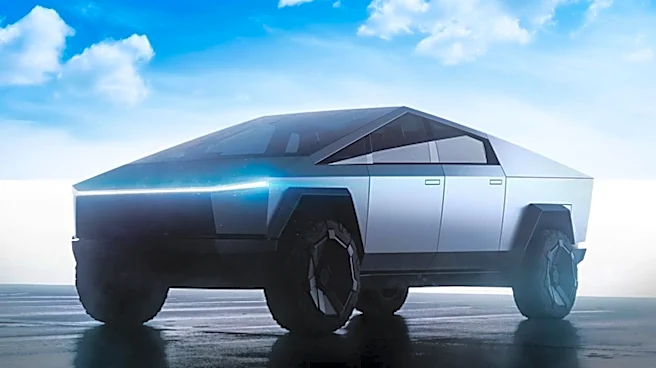
Tesla is preparing its all-electric, fully autonomous ride-hailing vehicle, the Cybercab, for its public debut with customer deliveries expected to begin in December. Recent aerial images from Gigafactory Texas on November 18 show a notable update to the Cybercabs'
appearance, specifically concerning the integration of Starlink V5 terminals. Rows of gold production vehicles are visible in the outbound lot, each featuring a flush-mounted Starlink terminal on the rear hatch. This new design appears more refined and integrated compared to earlier versions, where the Starlink hardware was a more distinct rectangular panel. The latest batch of Cybercabs also prominently displays 'Cybercab' logos on the doors and rear hatch, indicating these are finished production units rather than prototypes. These vehicles are staged for shipment, suggesting factory tooling for the Starlink integration rather than a retrofit process. A secondary detail observed is a darker tone to the Starlink cover, which could be for thermal performance, signal characteristics, or visual identification.
Why It's Important?
The imminent public debut and customer deliveries of Tesla's Cybercab, equipped with integrated Starlink technology, mark a significant step in the evolution of autonomous ride-hailing services. The refined integration of Starlink is crucial for the Robotaxi's functionality, providing essential fleet connectivity, passenger services, and backup data links, especially in areas with weak cellular coverage. This development could accelerate the widespread adoption of autonomous vehicles by addressing connectivity challenges that are vital for their operation and safety. For the U.S. transportation sector, this could signal a shift towards more efficient and technologically advanced ride-sharing models, potentially impacting traditional taxi and ride-hailing companies. The successful deployment of Cybercabs could also bolster Tesla's position in both the electric vehicle and autonomous technology markets, influencing investment and innovation across related industries. The focus on a production-ready appearance suggests Tesla is nearing a scalable deployment, which could set new standards for autonomous vehicle design and functionality.
What's Next?
With customer deliveries of the Cybercab anticipated to begin in December, the immediate next step will be the public rollout and initial operational phase of these autonomous vehicles. Tesla will likely monitor the performance of the integrated Starlink technology and the overall functionality of the Cybercabs in real-world conditions. Potential reactions from major stakeholders include increased scrutiny from regulatory bodies regarding autonomous vehicle safety and operational standards. Competitors in the autonomous vehicle and ride-hailing sectors will be closely observing Tesla's deployment, potentially influencing their own development strategies. The success of these initial deployments could lead to broader expansion of the Cybercab service across more regions, further solidifying Tesla's presence in the future of urban mobility. Additionally, any feedback or issues arising from early customer use will likely inform subsequent design iterations and software updates for the Cybercab fleet.
Beyond the Headlines
The seamless integration of Starlink into the Cybercab design goes beyond mere aesthetics; it highlights a strategic move by Tesla to create a self-sufficient ecosystem for its autonomous fleet. By leveraging its own satellite internet service, Tesla reduces reliance on third-party cellular networks, potentially enhancing the reliability and security of its Robotaxi operations. This vertical integration could offer a competitive advantage, allowing Tesla to control more aspects of the user experience and operational efficiency. Ethically, the deployment of fully autonomous vehicles raises questions about liability in the event of accidents and the impact on human employment in the transportation sector. Culturally, the widespread adoption of Robotaxis could fundamentally alter urban landscapes, reducing personal car ownership and reshaping public transportation habits. The long-term shift could see cities designed around autonomous fleets, influencing infrastructure development and urban planning, and potentially leading to a more interconnected and automated future for personal mobility.