





What's Happening?
Pompano Beach, Florida, is experiencing a significant transformation with a roughly $2 billion redevelopment plan. This initiative aims to convert the city from a traditional fishing town into a high-end destination. The core of this development involves
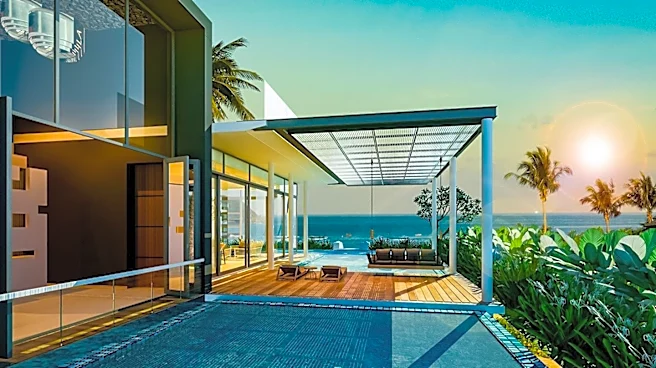
redeveloping 75 acres of downtown, introducing millions of square feet for residences, hotels, shops, offices, civic facilities, and public spaces. Concurrently, the beachfront is undergoing a dramatic change, with major luxury brands such as Waldorf Astoria, Ritz-Carlton, W, and Armani/Casa establishing new properties. Related Group, a key developer, acquired an oceanfront site in 2011 and has since seen property values soar, with recent sales at Waldorf Astoria Residences Pompano Beach averaging approximately $1,800 per square foot. Two penthouses at the Waldorf project recently sold for $17.1 million and $18.1 million, setting new benchmarks for the area. The 28-story Waldorf project, expected to be completed in summer 2027, will feature 92 residences and resort-like amenities, including a 20,000-square-foot oceanfront pool deck, spa, wellness facilities, concierge service, and in-residence dining. Buyers are reportedly coming from the Northeast, Canada, other parts of Florida, and increasingly, Latin America and other international markets.
Why It's Important?
This extensive luxury redevelopment in Pompano Beach signifies a major shift in Florida's real estate landscape, potentially creating a new high-value market comparable to Palm Beach. The influx of billions of dollars in investment and the establishment of prestigious brands like Armani/Casa, Waldorf Astoria, and Ritz-Carlton will significantly elevate the city's profile and attract a wealthier demographic. This transformation will likely lead to increased property values, job creation in construction and hospitality sectors, and a boost in local tourism. For the U.S. real estate market, it highlights a growing trend of luxury development extending beyond traditional hotspots, driven by demand from both domestic and international buyers seeking high-end coastal living. The success of this project could encourage similar luxury redevelopments in other previously understated coastal towns, impacting regional economies and urban planning strategies. However, it also raises questions about affordability and the potential displacement of long-time residents as the cost of living and property taxes increase.
What's Next?
The redevelopment of Pompano Beach is expected to continue with the completion of several high-profile projects, including the 28-story Waldorf Astoria Residences in summer 2027. Developers like Related Group anticipate further market growth, believing there is still a significant pricing gap between Pompano and comparable branded oceanfront residences in Miami or Palm Beach, suggesting room for continued appreciation. The ongoing construction and opening of new luxury properties will likely attract more high-net-worth individuals and international investors, further solidifying Pompano Beach's status as a luxury destination. The city will need to manage the balance between retaining its 'Old Florida' charm and accommodating the rapid influx of modern, high-end developments. Future developments may also focus on enhancing infrastructure and public services to support the growing population and increased tourism. The success of these projects will be closely watched by other coastal communities considering similar luxury transformations.
Beyond the Headlines
The transformation of Pompano Beach into a luxury hub reflects broader societal and economic trends, including the increasing demand for exclusive, amenity-rich living experiences and the globalization of real estate investment. The involvement of brands like Armani/Casa extends beyond mere property development; it signifies the integration of high fashion and lifestyle branding into residential and hospitality sectors, offering a curated living experience. This trend blurs the lines between luxury goods, hospitality, and real estate, creating a distinct market segment. Ethically, such rapid gentrification raises concerns about social equity and the preservation of local culture. While economic benefits are clear, the displacement of existing communities and the potential loss of a town's original character are significant considerations. The long-term success will depend on how well the city can integrate these new luxury elements while maintaining a sense of community and accessibility for all residents, rather than becoming an exclusive enclave.