






What's Happening?
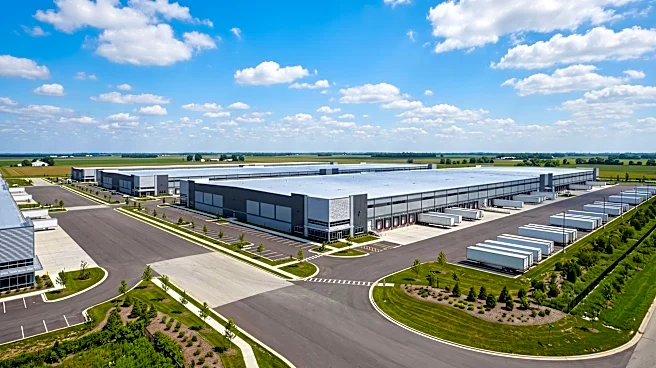
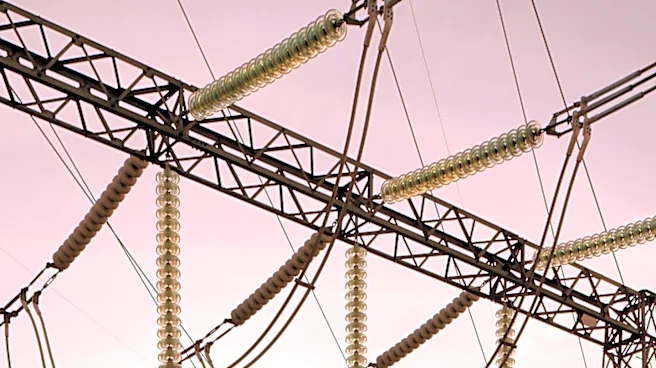
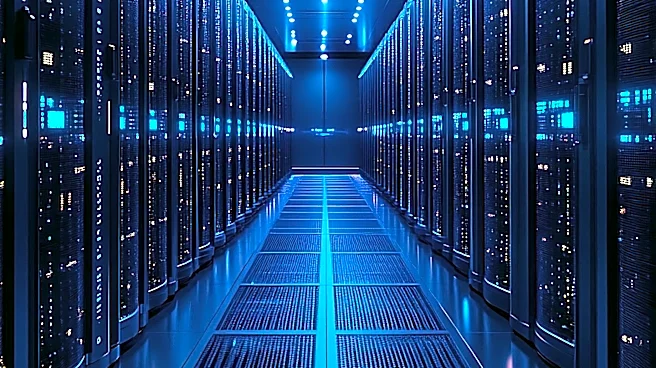
ComEd is projected to incur $3.1 billion in costs to connect 30 data centers to its grid in northern Illinois. These costs are split between $1.6 billion for transmission and $1.5 billion for distribution infrastructure. While data center developers have
provided $721 million in advance deposits, consumer advocacy groups, including the Citizens Utility Board (CUB) and the Environmental Law & Policy Center, argue that this leaves a potential $2 billion shortfall that could be passed on to households and small businesses through increased rates. ComEd, however, states that $1.1 billion of the planned transmission costs are protected by Transmission Security Agreements (TSAs), which are lines of credit guaranteeing payments for 10 years, even if projects do not materialize. These TSAs were approved by regulators in 2025, though 19 of the 30 projects pre-date this requirement. ComEd also notes that the $721 million in deposits may increase as projects mature.
Why It's Important?
This situation highlights a significant financial debate regarding who should bear the infrastructure costs associated with the rapid expansion of data centers in the U.S. If consumer groups' concerns materialize, ordinary households and small businesses in northern Illinois could face higher electricity bills, impacting their disposable income and operational costs. For the utility sector, this case sets a precedent for how large-load customers, such as data centers, are integrated into existing grids and how associated costs are allocated. The implementation of TSAs by ComEd, while a step towards mitigating risk, underscores the challenge of balancing economic development with consumer protection. The outcome of this debate could influence future regulatory frameworks for utility companies and large energy consumers nationwide, potentially affecting the attractiveness of certain regions for data center development based on cost structures.
What's Next?
The debate over who should pay for the remaining costs is ongoing within regulatory matters. Consumer groups are advocating for data center developers to pay 100% of their power supply and infrastructure investments upfront to protect ratepayers. ComEd has proposed a new approach to directly assign rates to individual data centers based on their specific costs, rather than grouping them, which it believes, combined with TSAs and deposit requirements, is an industry-leading solution. However, ComEd does not support requiring upfront payment for all infrastructure costs, arguing it would hinder data centers from doing business in Illinois. The Illinois Commerce Commission will likely continue to deliberate on these proposals, and their decisions will determine the final cost allocation and potential impact on electricity rates for various customer classes in the region. Further regulatory actions or legislative efforts could emerge to address the funding gap and establish clearer guidelines for such large-scale infrastructure projects.
Beyond the Headlines
The underlying issue extends beyond immediate cost allocation to the broader implications of energy consumption by hyperscale data centers, particularly those driven by the demand for artificial intelligence. These facilities require substantial energy and water resources, raising questions about environmental sustainability and grid stability. The speculative nature of some data center requests, where companies might place duplicate requests with multiple utilities, further complicates infrastructure planning and investment. This scenario prompts a deeper examination of how states and utilities can manage the growth of energy-intensive industries while ensuring equitable cost distribution and reliable service for all customers. It also highlights the tension between fostering technological advancement and protecting the interests of everyday consumers, potentially leading to new policy discussions on energy efficiency, demand management, and the social responsibility of large tech corporations in their infrastructure demands.