



What's Happening?
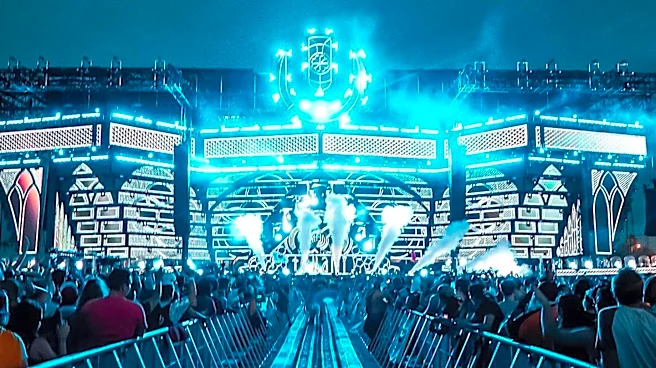
Sloss City Festival, an EDM event scheduled for September 18, 2026, at Birmingham's historic Sloss Furnaces, is facing significant criticism from the local EDM community. The festival, announced by Veritas Social, has drawn fire for its marketing tagline,
'Birmingham Isn’t Boring Anymore,' which some perceive as insulting to the city's existing music scene. Critics also point out that the festival's website misleadingly advertises it as 'the relaunch of a legendary Alabama music festival,' despite having no affiliation with the previous Sloss Fest. A major point of contention is the compensation structure for local DJs, who are reportedly paid '15% of the face value [of] tickets that have their specific discount code,' with their performance slots dependent on ticket sales. Birmingham artist and DJ Artsen launched a social media campaign, 'Sloss Fest Is Boring,' to highlight these issues, including sharing images of DJ contracts. The festival has responded with a statement addressing the concerns, acknowledging the impact of their tagline and promising to be more intentional about representation and communication regarding artist compensation.
Why It's Important?
This situation highlights critical issues within the U.S. music festival industry, particularly concerning the treatment of local artists and the authenticity of marketing campaigns. The controversy over DJ compensation, where pay is tied directly to ticket sales, raises questions about fair labor practices and the financial viability for emerging artists in large-scale events. The misleading branding regarding the festival's connection to a 'legendary' predecessor also underscores concerns about transparency and ethical marketing in the entertainment sector. For the Birmingham community, this event reflects a tension between new commercial ventures and established local cultural scenes, impacting how local talent is valued and integrated. The outcome of this dispute could influence future festival planning and artist relations in other U.S. cities, potentially leading to greater scrutiny of contracts and marketing claims.
What's Next?
Sloss City Festival has issued a statement acknowledging the concerns and promising to be more intentional about representation in its lineup and marketing, as well as to communicate directly with artists regarding compensation. DJ Artsen, a key critic, has responded to the festival's statement, rating it 5/10 and indicating that they will 'believe the change when I see it.' This suggests that the local EDM community will be closely monitoring the festival's actions leading up to its September 18, 2026, date. Further dialogue and potential adjustments to festival policies or marketing strategies may occur as the event approaches. The ongoing public scrutiny could prompt the festival organizers to make more concrete changes to address the criticisms, particularly concerning local artist engagement and compensation.
Beyond the Headlines
The Sloss City Festival controversy delves into deeper cultural and economic dynamics within the U.S. entertainment landscape. It exposes the challenges faced by local artists in gaining fair compensation and recognition within larger commercial events, often dominated by major sponsors like Pepsi and Gatorade. The debate over the festival's tagline and its perceived insult to Birmingham's existing music scene highlights the importance of cultural sensitivity and community engagement for event organizers. This incident could serve as a case study for how new ventures navigate and respect established local cultural identities, rather than appearing to dismiss them. It also raises questions about the power dynamics between large festival organizers and local artistic communities, and the potential for social media campaigns to drive accountability and change in the industry.