


What's Happening?
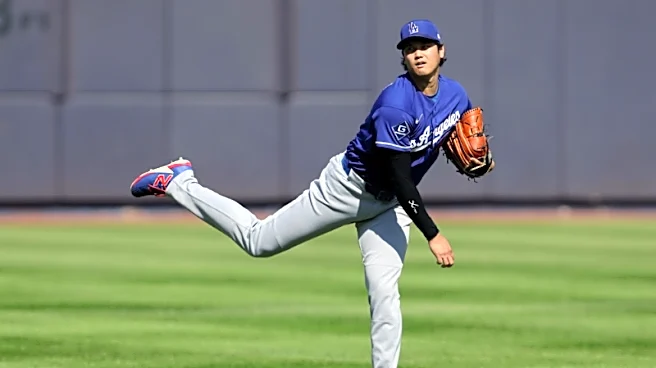
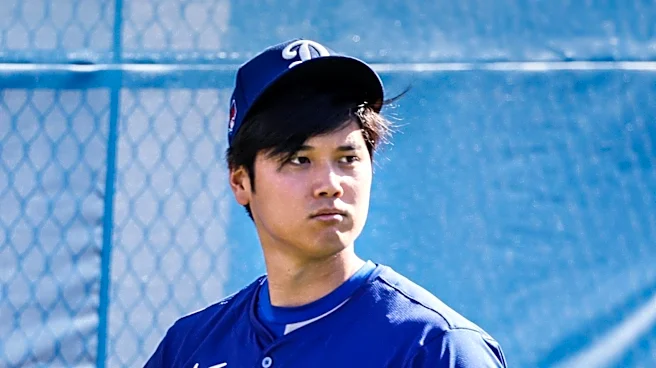
Los Angeles Dodgers manager Dave Roberts has indicated that Shohei Ohtani's return to pitching remains uncertain. Ohtani, a two-way superstar, is reportedly 'not 100%' and cut a bullpen session short due to 'overall body' considerations. He has not pitched
since July 3, primarily due to left knee soreness, and is also dealing with a right biceps issue. These injuries have impacted his pitching campaign, which had seen him achieve a 0.74 ERA through his first 10 starts and a 1.79 ERA over 14 outings. Roberts confirmed that Ohtani would not pitch on Sunday as previously anticipated, nor on Tuesday, and there is no target date for his return to the mound. Despite his pitching hiatus, Ohtani has continued to play as a designated hitter, maintaining strong offensive statistics with a .283/.384/.537 slash line, 30 home runs, and 80 RBIs in 125 games this season.
Why It's Important?
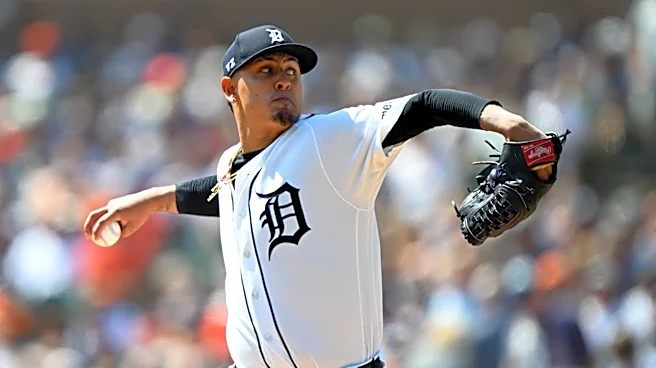
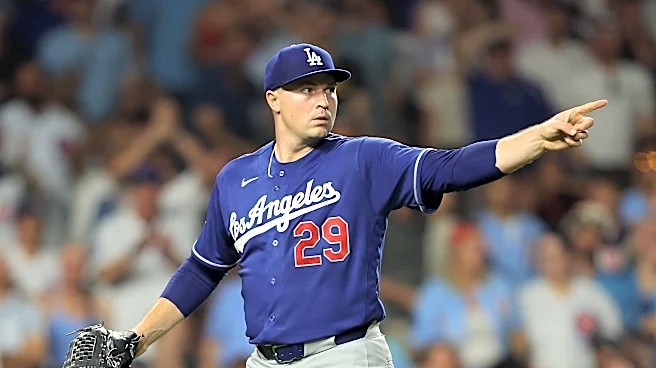
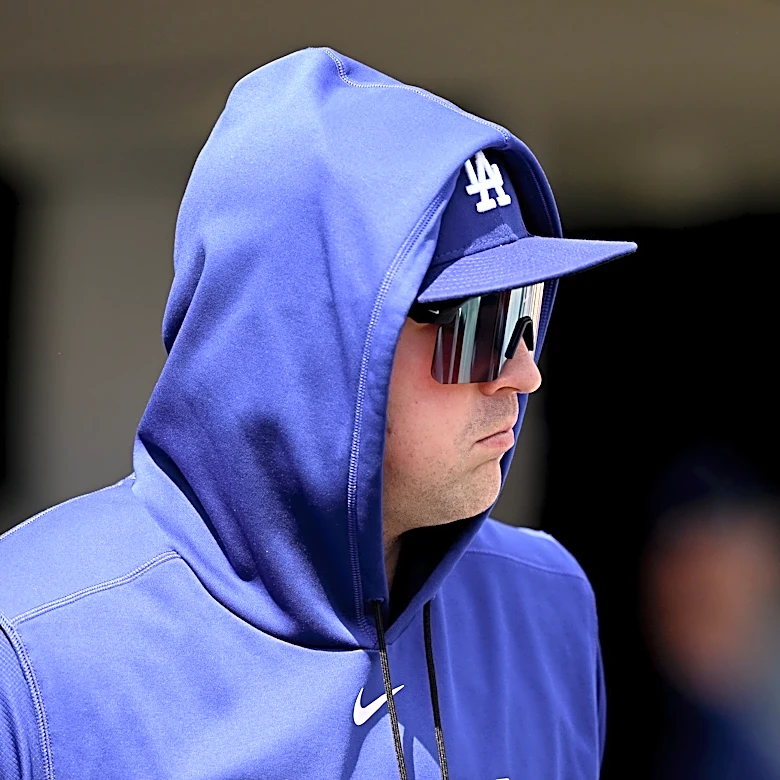
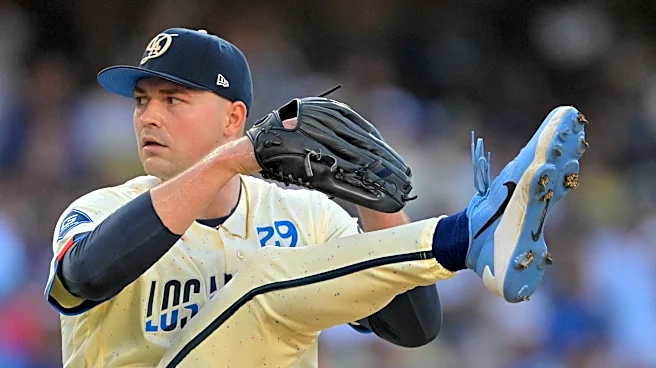
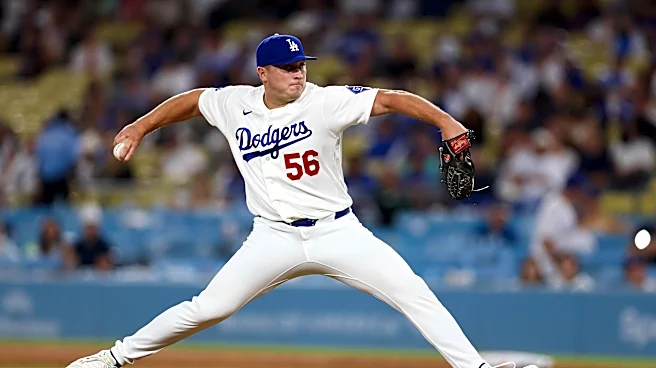
The uncertainty surrounding Shohei Ohtani's pitching status carries significant implications for the Los Angeles Dodgers, particularly as they approach the postseason. While the Dodgers have acquired pitching depth with players like Tarik Skubal, Blake Snell, Tyler Glasnow, and Yoshinobu Yamamoto, Ohtani's unique two-way capabilities offer a distinct advantage. His potential absence from the mound, or a reduced role, could alter the team's strategic options in high-stakes games. Furthermore, Roberts acknowledged that pitching-related discomfort could affect Ohtani's performance as a hitter, which would be a substantial blow given his offensive contributions. The situation highlights the delicate balance of managing a superstar athlete with dual roles and the potential impact of injuries on both individual performance and team dynamics. The Dodgers' ability to navigate Ohtani's health will be crucial for their championship aspirations.
What's Next?
The Dodgers will continue to monitor Shohei Ohtani's physical condition, with manager Dave Roberts stating they will determine next steps for his return to the mound once the team is back in Los Angeles. It is considered likely that Ohtani, if he returns to pitching this season, would do so in an opener or limited-inning role. This approach would allow him to test his body without the full rigors of a typical starting pitcher's workload, potentially preserving his health for the postseason. The team's current pitching depth, bolstered by recent acquisitions and returning players, provides some flexibility in managing Ohtani's recovery. However, the ultimate decision will hinge on his ability to regain full health and the team's assessment of the risks and benefits of his return to the mound.
Beyond the Headlines
The ongoing situation with Shohei Ohtani underscores the broader challenges faced by professional sports organizations in managing elite two-way athletes. Ohtani's unprecedented success as both a pitcher and a hitter places unique demands on his body, making injury management a complex and critical aspect of his career. The Dodgers' cautious approach reflects a long-term strategy to protect their investment in a generational talent, even if it means sacrificing immediate pitching contributions. This scenario also highlights the evolving understanding of athlete recovery and performance optimization in modern sports. The decision-making process involves weighing the immediate competitive needs against the long-term health and career longevity of a player, setting a precedent for how future two-way athletes might be managed in professional baseball.