



What's Happening?
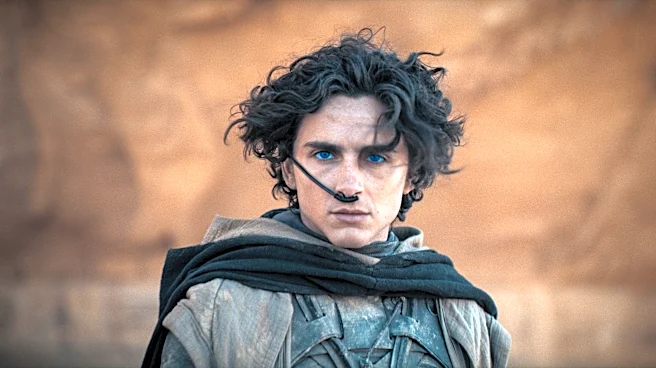
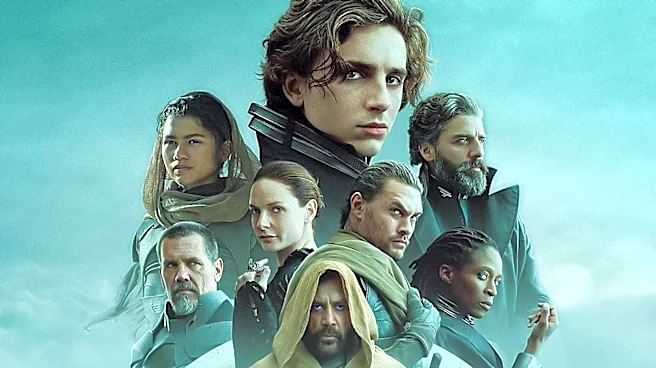
The portrayal of Chani, played by Zendaya, in Denis Villeneuve’s 'Dune: Part Three' is anticipated to diverge significantly from Frank Herbert’s original novel, 'Dune Messiah.' While 'Dune: Part Two' already made changes to Chani's character, particularly
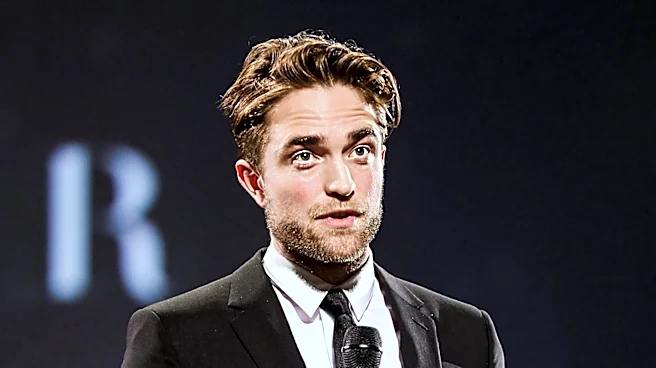
her reaction to Paul Atreides' (Timothée Chalamet) political maneuvering, trailers for 'Part Three' suggest an even more drastic shift. The film's marketing materials emphasize an intense conflict between Paul and Chani, with scenes showing Chani potentially aligning with Paul's political enemies, including Scytale (Robert Pattinson) of the Bene Tleilax. This has led to speculation among fans about whether Chani might even kill Paul, a stark departure from the book where she remains loyal until her death. The filmmakers are reportedly exploring plot twists, such as the introduction of a Chani ghola (clone) or a Face Dancer impersonating her, to create dramatic tension without fundamentally altering the core narrative themes.
Why It's Important?
The potential significant divergence of Zendaya's Chani character in 'Dune: Part Three' from Frank Herbert's original 'Dune Messiah' novel holds substantial importance for both the film franchise and its dedicated fanbase. For the film series, this creative decision could either solidify its status as a compelling modern adaptation or alienate purist fans who value fidelity to the source material. The alteration of a central character's arc, especially one as pivotal as Chani, impacts the narrative's thematic integrity, particularly concerning themes of destiny, free will, and political manipulation that are core to 'Dune.' Commercially, such changes are a calculated risk; while they might appeal to new audiences seeking fresh interpretations, they could also face backlash from long-time enthusiasts. The speculation around Chani potentially killing Paul, or the introduction of gholas or Face Dancers, indicates a strategic effort by the filmmakers to maintain suspense and surprise, ensuring the cinematic experience remains distinct from the literary one. This approach reflects a broader trend in adaptations where creators balance reverence for the original with the demands of contemporary storytelling and audience expectations.
What's Next?
As 'Dune: Part Three' progresses towards its release, the ongoing speculation regarding Chani's role will likely intensify. The filmmakers will continue to manage audience expectations through trailers and promotional materials, potentially using misdirection to preserve key plot twists. Fans will closely analyze every new piece of information, debating the implications of Chani's potential alignment with Paul's enemies or the introduction of a ghola or Face Dancer. The critical reception of 'Part Three' will heavily depend on how these narrative changes are executed and whether they resonate with both long-time book fans and new viewers. The success of these alterations could set a precedent for future adaptations of complex literary works, influencing how filmmakers approach balancing source material fidelity with creative interpretation. Ultimately, the film's release will provide definitive answers to these questions, shaping the legacy of Villeneuve's 'Dune' saga.
Beyond the Headlines
The debate surrounding Chani's character arc in 'Dune: Part Three' extends beyond mere plot changes, touching upon deeper themes of adaptation, authorial intent, and the evolving relationship between source material and cinematic interpretation. Frank Herbert's 'Dune' series is renowned for its complex philosophical underpinnings, exploring themes of messianism, environmentalism, and the dangers of charismatic leadership. Altering Chani's loyalty or introducing elements like a ghola or Face Dancer could fundamentally shift the narrative's moral and ethical landscape. For instance, if Chani were to kill Paul, it would challenge the very nature of Paul's prescient visions and the tragic inevitability that defines his journey. This raises questions about whether a film adaptation has a responsibility to preserve the core philosophical messages of its source, or if it can forge its own path to resonate with contemporary audiences. The discussion also highlights the power of fan communities in shaping expectations and influencing creative decisions, as their reactions often become part of the narrative surrounding a major franchise. This ongoing dialogue between creators and audience underscores the dynamic and often contentious process of bringing beloved literary worlds to the big screen.