





What's Happening?
Vitol Group, the world's largest independent oil trader, has been appointed as the project developer for a new multi-product petroleum pipeline linking Dar es Salaam, Tanzania, to Ndola, Zambia. The company will also oversee upgrades to the existing TAZAMA
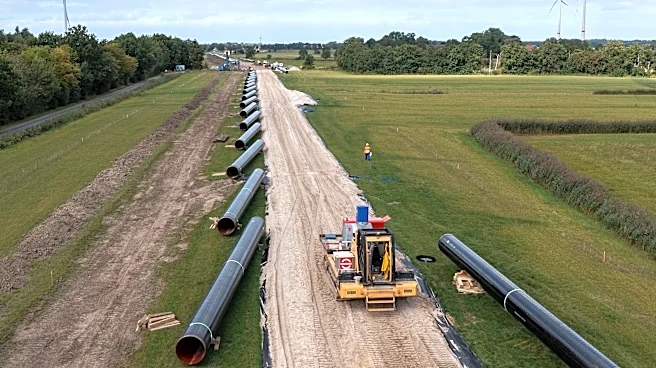
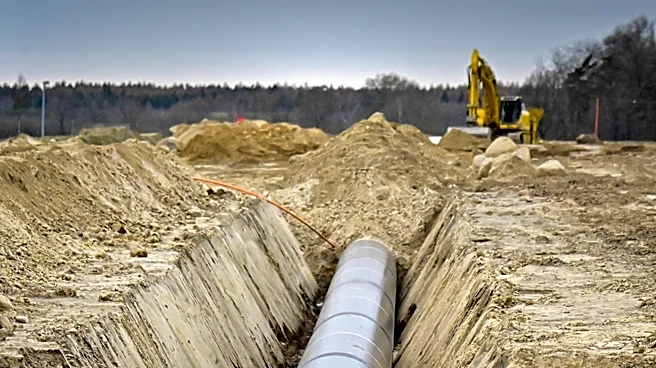
pipeline. This significant award, announced by TAZAMA Pipelines Limited, encompasses the financing, design, development, construction, commissioning, and operation of the new pipeline, as well as the financing, design, and upgrade of the current infrastructure. The project aims to substantially boost Zambia's petroleum transportation capacity, which is crucial for its mining and industrial sectors, particularly the copper industry. The existing TAZAMA pipeline, a 1,710-kilometer route, currently transports approximately 800,000 tonnes of petroleum products annually, against an installed capacity of 1.1 million tonnes. Zambia's Ministry of Energy has indicated plans to increase the existing pipeline's annual capacity to four million tonnes and construct a new line capable of transporting seven million tonnes annually.
Why It's Important?
This project holds significant economic and strategic importance for Zambia, a landlocked nation heavily reliant on imported petroleum for its vital copper mining and industrial operations. The expansion of pipeline capacity will enhance the security and efficiency of fuel supplies, reducing logistical bottlenecks and potentially lowering operational costs for key industries. The Copperbelt region, a major mining hub, depends on diesel for machinery, mineral transport, and industrial activities. By increasing petroleum transportation capacity, Zambia aims to support the growth of its mining sector, which is a primary contributor to its economy. For Vitol, this role solidifies its presence in African energy infrastructure, granting it a substantial position in a critical regional supply corridor. The project also strengthens economic ties between Tanzania and Zambia, as TAZAMA is jointly owned by both governments, with Zambia holding a two-thirds stake.
What's Next?
While the award notice does not disclose the project's total investment cost or a specific construction timetable, the next steps will involve Vitol Group commencing detailed planning, financing arrangements, and design phases for both the new pipeline and the upgrades to the existing TAZAMA infrastructure. Stakeholders, including the governments of Zambia and Tanzania, will likely monitor the project's progress closely, given its strategic importance. The increased capacity is expected to come online in phases, with the Zambian Ministry of Energy having previously outlined ambitious targets for annual capacity increases. The successful implementation of this project will likely lead to further infrastructure development in the region, potentially attracting more investment into Zambia's mining and industrial sectors as fuel supply reliability improves.
Beyond the Headlines
The development of this pipeline project extends beyond immediate economic benefits, touching upon broader themes of regional energy security and infrastructure development in East and Southern Africa. For landlocked countries like Zambia, reliable access to energy resources is a fundamental component of national development and economic stability. This project could serve as a model for future cross-border infrastructure collaborations aimed at enhancing regional trade and resource distribution. Furthermore, the involvement of a major global energy trader like Vitol underscores the growing interest of international players in Africa's energy sector, potentially leading to more sophisticated financing and operational models for large-scale projects. The long-term implications include enhanced industrial competitiveness for Zambia and a more robust energy supply chain for the entire region, reducing vulnerability to global supply chain disruptions.