






What's Happening?
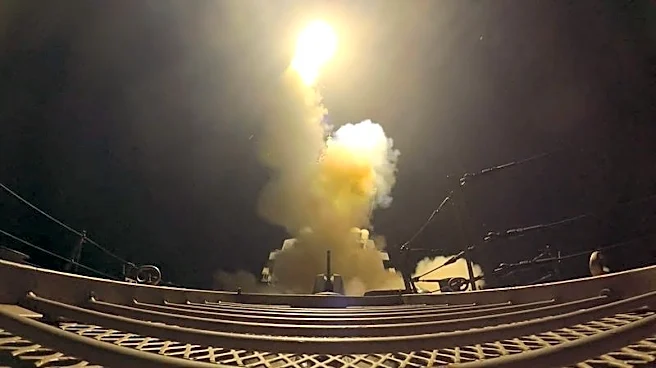
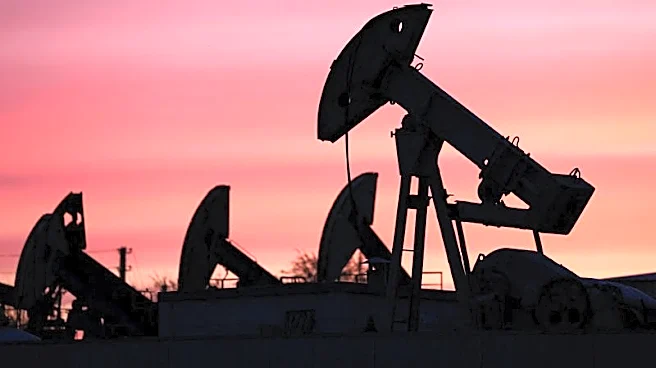
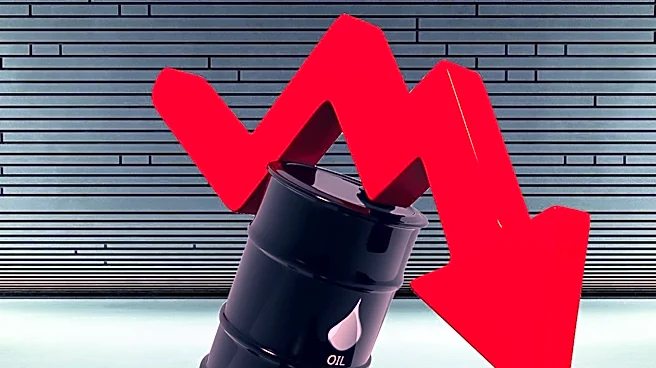
Oil prices surged over 9% as tensions between Iran and the United States escalated, with Iran attacking ships in the Strait of Hormuz. This breach of a previously negotiated deal has led to U.S. retaliatory actions inside Iran. Brent crude oil prices rose
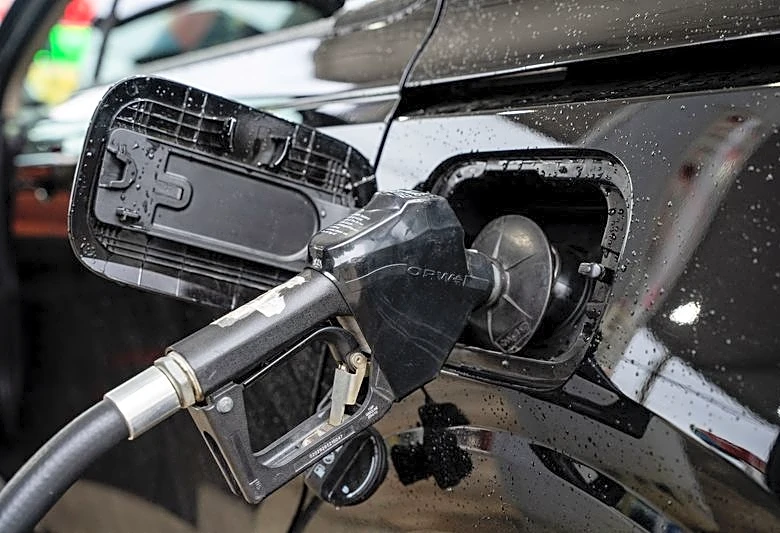
above $80 a barrel, impacting major oil companies like Chevron and Exxon Mobil, which saw stock increases of 3.3% and 4% respectively. The rise in oil prices has also affected gasoline futures, with the average cost of a gallon of regular gasoline in the U.S. reaching $3.876.
Why It's Important?
The increase in oil prices due to geopolitical tensions can have significant implications for the global economy, affecting transportation costs, inflation rates, and consumer spending. Higher oil prices can lead to increased costs for businesses and consumers, potentially slowing economic growth. The energy sector may benefit from higher prices, but industries reliant on oil as an input may face increased costs. The situation underscores the vulnerability of global markets to geopolitical events, particularly in critical regions like the Middle East.
What's Next?
The ongoing tensions between Iran and the U.S. are likely to continue influencing oil prices and market volatility. Stakeholders, including governments and businesses, will be closely monitoring developments in the region. The U.S. may consider further diplomatic or military responses, while oil companies may adjust their strategies to mitigate risks associated with fluctuating prices. The situation could also prompt discussions on energy independence and alternative energy sources.
Beyond the Headlines
The geopolitical tensions highlight the strategic importance of the Strait of Hormuz, a critical chokepoint for global oil supply. The situation may lead to increased investments in energy security and diversification of energy sources. Additionally, the impact on gasoline prices could influence consumer behavior and policy discussions on energy efficiency and sustainability.