



What's Happening?
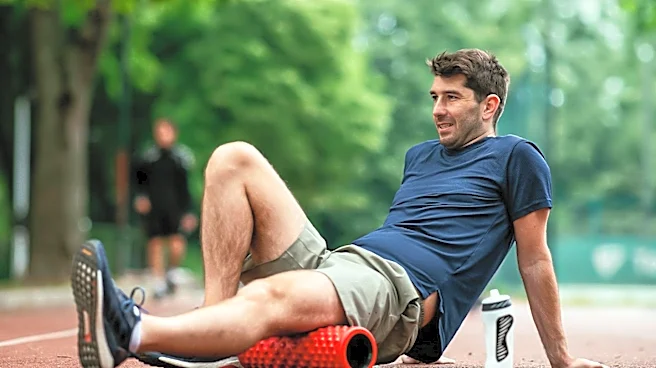
Massage guns, also known as percussive therapy devices, are increasingly recognized as effective tools for muscle recovery and myofascial release. These devices function similarly to foam rollers by calming the nervous system and relaxing tight muscles,
but offer the added advantage of precise control over pressure and speed. This allows users to target specific, bothersome spots that might be difficult to reach with a foam roller. Myofascial release techniques, which involve applying pressure to muscles and surrounding connective tissues (fascia), are crucial for reducing deep tension, increasing circulation, and speeding up tissue repair. While foam rollers are effective for large muscle groups, massage guns provide a more intense and localized approach to breaking up muscle knots and improving overall muscle health.
Why It's Important?
The growing prominence of massage guns in recovery techniques signifies a significant advancement in personal fitness and therapeutic practices within the U.S. These devices empower individuals to perform self-myofascial release, which was traditionally reliant on professional therapists or less precise tools like foam rollers. This accessibility can lead to improved muscle recovery for athletes and general fitness enthusiasts, potentially reducing the incidence of injuries and enhancing performance. For the fitness industry, it represents a burgeoning market for innovative recovery tools, driving both product development and consumer education. The ability to manage muscle soreness and tightness effectively at home can also contribute to a more consistent exercise routine, fostering a healthier and more active population, and potentially reducing the demand for more costly professional interventions for minor muscle issues.
What's Next?
The future of massage guns and percussive therapy devices will likely involve further technological advancements, including smarter devices with AI-driven feedback, personalized recovery programs, and enhanced ergonomic designs. Research into the optimal application of these devices for various muscle groups and conditions is expected to expand, providing more evidence-based guidelines for users. The integration of massage guns into broader wellness ecosystems, such as fitness apps and wearable technology, could offer comprehensive recovery solutions. Additionally, as these tools become more mainstream, there may be increased regulatory scrutiny to ensure safety and efficacy, potentially leading to industry standards and certifications. This evolution will continue to shape how individuals approach muscle recovery and overall physical well-being.
Beyond the Headlines
Beyond their immediate physical benefits, the rise of massage guns reflects a broader societal shift towards self-efficacy and personalized health management. These devices represent a tool that allows individuals to take a more active role in their physical recovery and well-being, moving away from solely relying on external professional services. This trend aligns with the increasing demand for convenient, at-home solutions that fit into busy lifestyles. Ethically, the accessibility of such powerful recovery tools raises questions about proper usage and the potential for misuse without adequate guidance. Education on correct techniques and understanding individual body needs will be crucial to maximize benefits and prevent harm. Culturally, the adoption of massage guns signifies a greater acceptance and prioritization of recovery as an integral part of a healthy, active lifestyle, rather than just an afterthought.