




What's Happening?
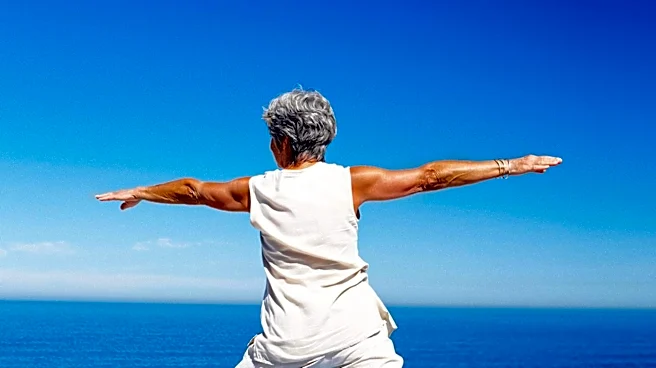
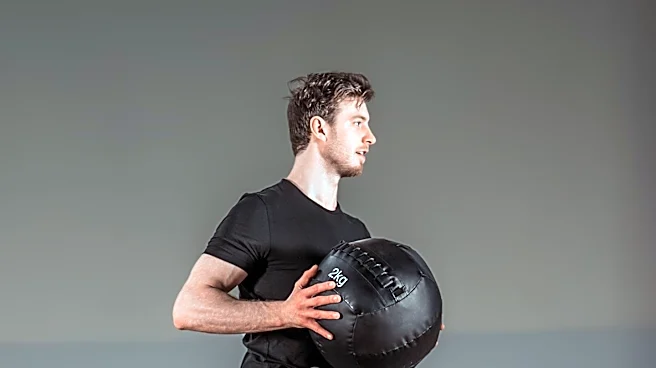
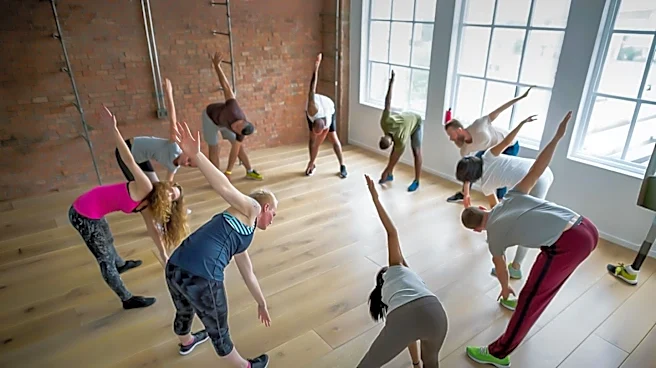
For women over 60, health guidelines emphasize a multifaceted approach to physical activity to maintain bone density, muscle strength, and balance. Recommendations include two or three strength training sessions per week, balance exercises on at least
three days, and approximately 150 minutes of moderate aerobic activity. Additionally, if bone health permits, some impact exercises are suggested. The World Health Organization (WHO) guidelines for adults recommend 150 to 300 minutes of moderate aerobic activity or 75 to 150 minutes of vigorous activity weekly, supplemented by muscle-strengthening exercises for all major muscle groups on two or more days. For individuals aged 65 and older, the WHO further advises incorporating varied multicomponent activities that prioritize functional balance and strength on three or more days a week to mitigate the risk of falls. These guidelines underscore a shift in fitness goals post-menopause, moving from calorie burning to the critical preservation of bone and muscle mass, which are significantly impacted by declining estrogen levels.
Why It's Important?
This comprehensive fitness guidance is crucial for post-menopausal women in the U.S. as it directly addresses age-related physiological changes that can lead to significant health challenges. The decline in estrogen after menopause accelerates bone loss, increasing the risk of osteoporosis and fractures, while muscle strength diminishes more rapidly without adequate stimulation. By focusing on strength training, balance, and moderate activity, women can actively combat these declines, thereby enhancing their independence and quality of life. Reduced falls and stronger bones translate to fewer hospitalizations and lower healthcare costs, benefiting both individuals and the broader healthcare system. Furthermore, maintaining physical function allows older adults to remain active participants in society, contributing to overall community well-being and reducing the burden of age-related disabilities. The emphasis on progressive overload in strength training is particularly vital, as bones respond to meaningful load and impact, not just high repetitions with light weights, making these recommendations a cornerstone for healthy aging.
What's Next?
Moving forward, healthcare providers and fitness professionals are likely to increasingly integrate these detailed guidelines into personalized exercise prescriptions for post-menopausal women. Educational campaigns may also emerge to raise awareness among this demographic about the specific types and intensities of exercise most beneficial for their health. The development of specialized fitness programs, both in-person and online, tailored to the needs of women over 60, is also a foreseeable next step. These programs would focus on safe progression, proper form, and the integration of balance and impact work. Furthermore, ongoing research will likely continue to refine these recommendations, potentially exploring the optimal combination of exercise types, frequencies, and intensities, as well as the role of nutrition, particularly protein intake, in supporting muscle and bone health in older women. The goal will be to empower women to adopt sustainable fitness routines that effectively mitigate the health risks associated with aging and menopause.
Beyond the Headlines
Beyond the immediate health benefits, these fitness recommendations touch upon broader societal implications regarding aging and women's health. There's a cultural shift towards recognizing and supporting active aging, challenging traditional perceptions of older adults as sedentary. This emphasis on strength and balance training for post-menopausal women highlights the importance of preventative health measures throughout the lifespan, rather than solely reactive treatments. Ethically, it underscores the responsibility of healthcare systems and communities to provide accessible resources and education that enable older adults to maintain their physical autonomy. Legally, it could influence policy discussions around public health funding for senior fitness programs and the integration of exercise prescriptions into standard medical care. Long-term, a healthier aging population could lead to reduced strain on social security and healthcare systems, fostering a more vibrant and engaged senior demographic that continues to contribute to society in various capacities, thereby redefining what it means to age in the 21st century.