






What's Happening?
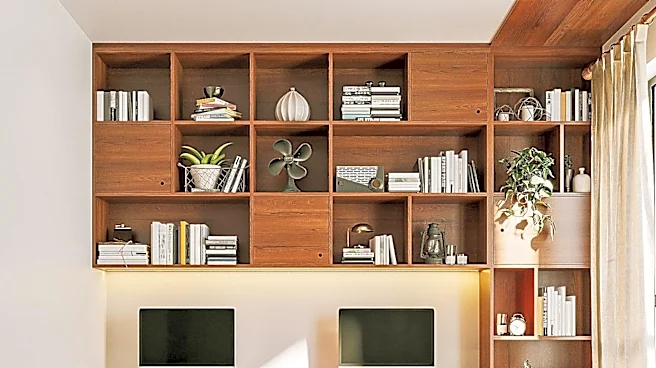
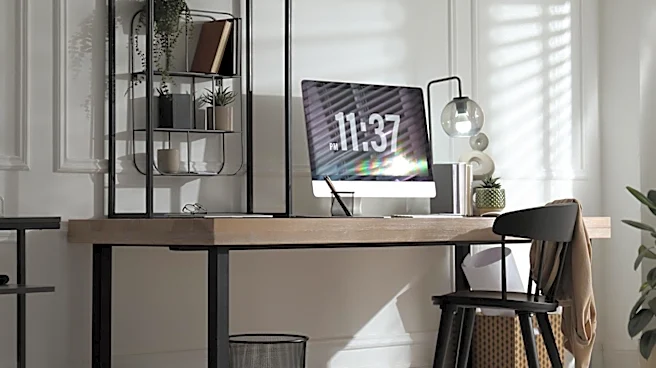
Home office design in 2026 is shifting towards more practical and flexible layouts, moving beyond mere aesthetics to prioritize comfort, productivity, and organization. Current trends highlight the importance of comfortable desk setups, layered lighting,
effective cable management, and built-in or vertical storage solutions. Designers are increasingly treating home offices as significant living spaces, planning them around individual work routines, video meetings, and personal preferences. This includes strategic desk placement to optimize natural light and avoid glare, as well as creating distinct zones within the office for different tasks like computer work, reading, or creative activities. Small space solutions, such as foldaway desks and multifunctional rooms, are also gaining prominence as people adapt existing spaces for work without dedicated office rooms. The focus is on creating a workspace that supports how individuals actually work, rather than adhering to traditional office aesthetics.
Why It's Important?
The evolution of home office design reflects a broader societal shift towards remote and hybrid work models, making the home office a critical component of daily life for many U.S. workers. This emphasis on productivity and comfort directly impacts employee well-being and efficiency, potentially leading to increased job satisfaction and reduced burnout. For businesses, supporting employees in creating effective home workspaces can translate into higher output and retention rates. The demand for specialized home office furniture, lighting, and storage solutions also presents significant opportunities for the U.S. furniture, interior design, and technology industries. Furthermore, the focus on cable management and camera-friendly backgrounds addresses the practicalities of frequent video conferencing, which has become a staple of modern professional communication. This trend underscores the long-term integration of work into residential spaces, influencing architectural design and consumer spending habits.
What's Next?
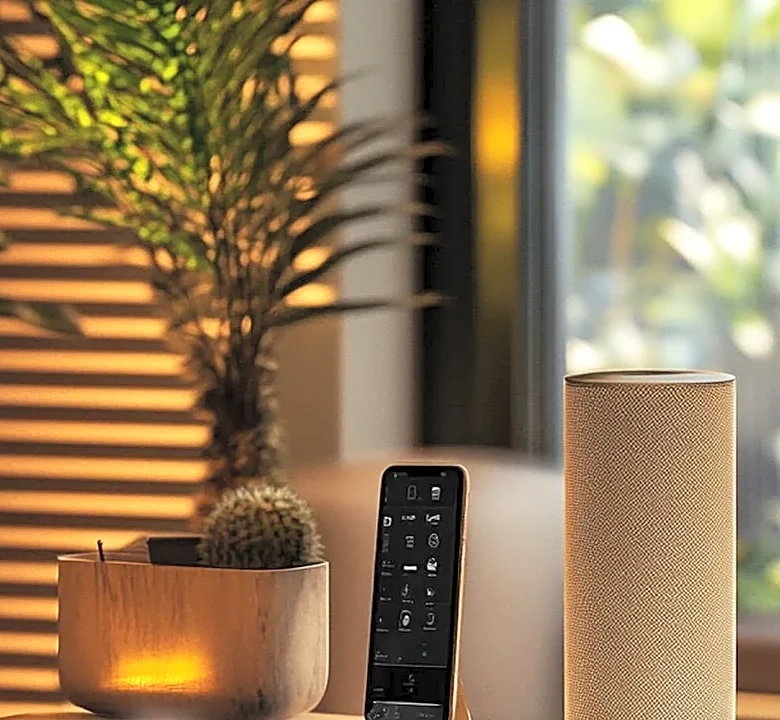
As home office trends continue to evolve, consumers can expect to see more innovative products and design services tailored to flexible and productive workspaces. Manufacturers will likely introduce more desks with integrated cable channels, charging points, and modular storage options. Interior designers will further specialize in creating multi-functional spaces that seamlessly blend work and home life, offering solutions for various room sizes and personal needs. There will also be a continued focus on ergonomic furniture and lighting solutions that promote health and reduce strain during long working hours. The integration of smart home technology to control lighting, climate, and connectivity within home offices is also a foreseeable development. Additionally, educational resources and guides on optimizing home office setups will become more prevalent, empowering individuals to create personalized and efficient work environments.
Beyond the Headlines
The shift in home office design goes beyond mere aesthetics, touching upon deeper psychological and cultural implications. The intentional creation of boundaries between work and home life, even within the same physical space, is crucial for mental well-being and preventing work-life blend from becoming work-life blur. The emphasis on reducing visual distractions and creating calm, intentional backgrounds for video calls reflects a growing awareness of how our physical environment impacts focus and professional presentation. This trend also highlights a broader re-evaluation of personal space and how it can be optimized to support diverse activities. The move towards personalized, functional, and comfortable home offices signifies a long-term adaptation to new work paradigms, potentially influencing future residential architecture to include more adaptable and integrated workspace solutions, moving away from the traditional 'spare room' office concept.