

What's Happening?
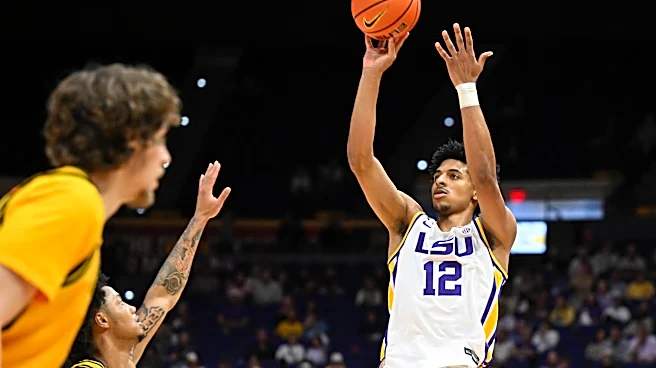
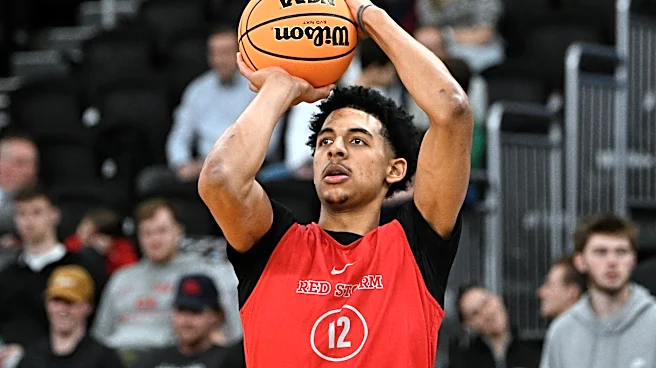
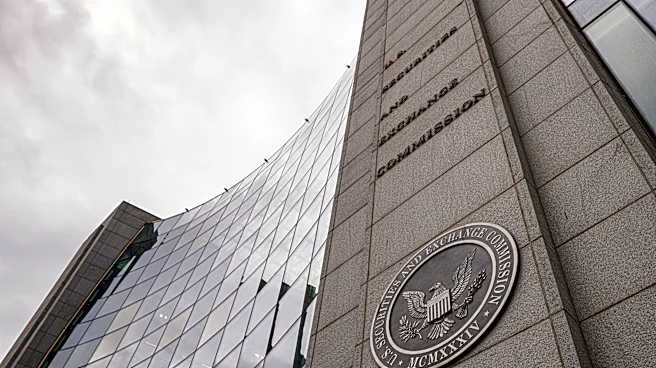
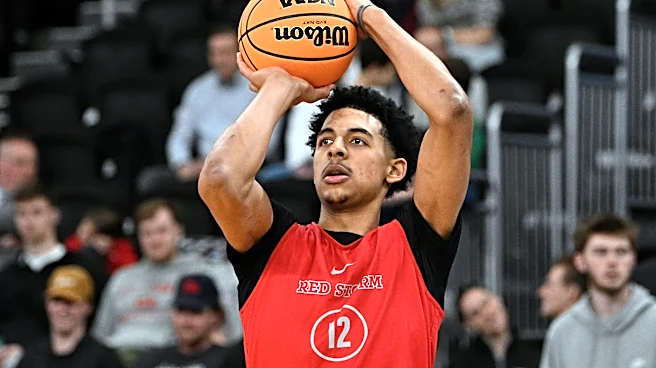
Attorneys for RJ Luis Jr. have filed a motion in a Baton Rouge court asking a judge to hold the Southeastern Conference (SEC) and Commissioner Greg Sankey in contempt of court. The motion alleges that the SEC and Sankey violated a preliminary injunction
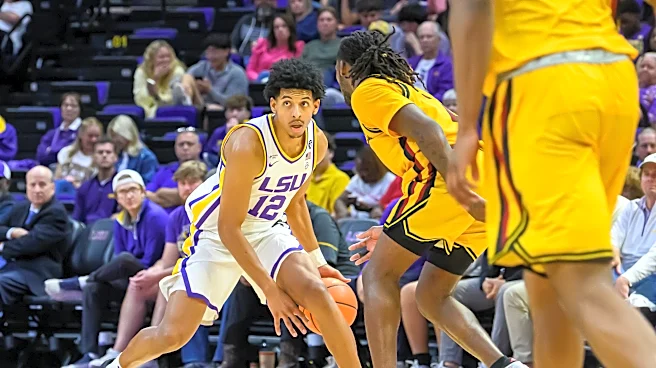
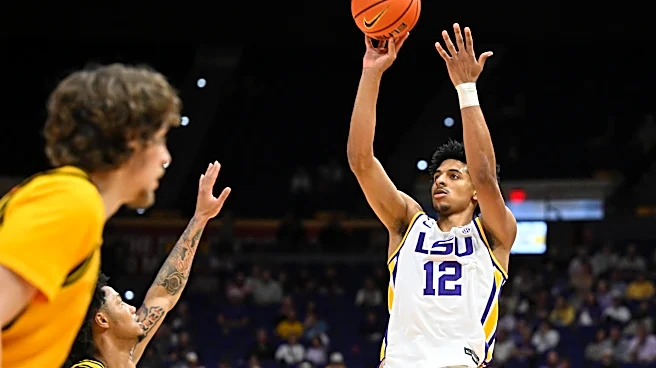
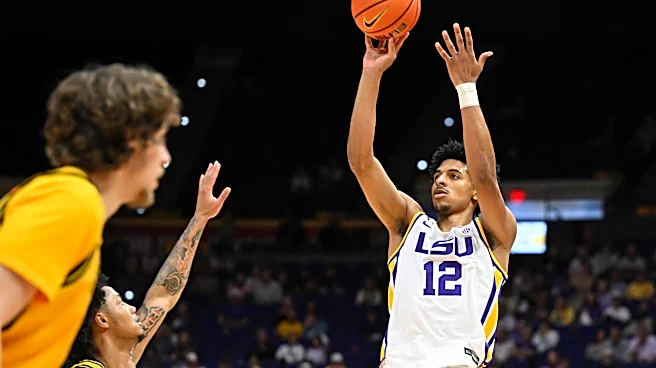
issued on November 13. This injunction temporarily prohibits the SEC from preventing Luis from joining, practicing, and competing with the LSU men’s basketball team for the 2026-27 season. LSU subsequently added Luis to its roster. The SEC publicly criticized LSU's decision, stating it was 'inconsistent with the expectations and responsibilities of membership.' Luis's attorneys contend this public statement undermined or violated the court's order. The Baton Rouge judge has not yet ruled on the contempt request, which is part of Luis's existing state-court eligibility case and separate from the SEC's federal lawsuit against LSU in Birmingham.
Why It's Important?
This legal action highlights a significant power struggle between a collegiate athletic conference and a member institution, with an individual athlete's eligibility at its core. A finding of contempt against the SEC or Commissioner Sankey would underscore the authority of state courts to intervene in collegiate sports governance, potentially setting a precedent for how disputes over athlete eligibility are handled. It also raises questions about the balance between conference rules and judicial oversight. For LSU, the ability to roster Luis is crucial for its basketball program, while the SEC aims to uphold its established policies. The outcome will have implications for how conferences communicate and enforce their rules, especially when faced with court orders, and could influence future interactions between athletic bodies and the judiciary.
What's Next?
The Baton Rouge judge will consider RJ Luis Jr.'s motion for contempt against the SEC and Commissioner Greg Sankey. The court may issue a rule to show cause, requiring the SEC and Sankey to appear and explain their actions. This process will determine whether the SEC's public statement or any other conduct violated the November 13 preliminary injunction. Meanwhile, Luis remains on LSU's roster, but his eligibility is still subject to the ongoing legal proceedings. The broader legal battle between LSU and the SEC, including the federal case in Birmingham, continues to unfold, with no final rulings yet on LSU's motion to dismiss or the SEC's power to penalize member institutions over athlete eligibility.
Beyond the Headlines
This case delves into the complex legal landscape surrounding collegiate athletics, particularly the tension between the NCAA and conference rules and individual athlete rights. The dispute over Luis's eligibility, stemming from his status as a former professional athlete, touches on fundamental questions about amateurism in college sports and the evolving nature of athlete compensation and transfer rules. The SEC's strong reaction to LSU's decision, despite the injunction, suggests a deep concern about maintaining control over its member institutions and upholding its governance structure. This legal battle could contribute to a broader re-evaluation of how collegiate sports are regulated, potentially leading to more judicial intervention or calls for clearer, more consistent national standards for athlete eligibility and conference authority.