



What's Happening?
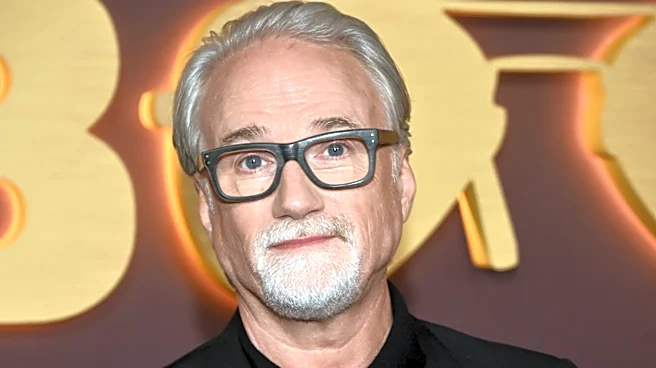
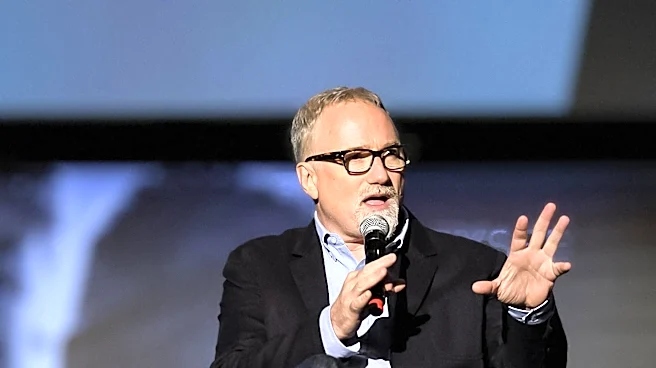
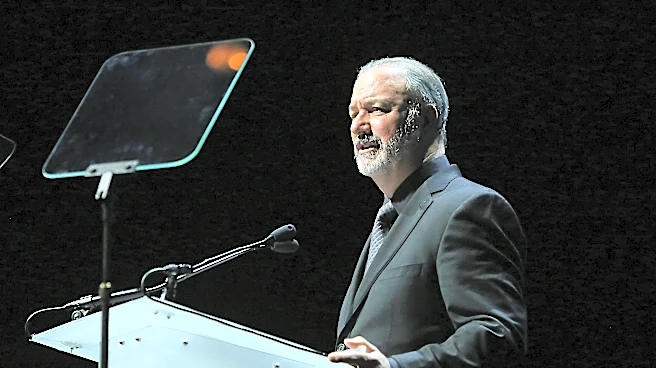
Filmmaker David Fincher revealed he proposed taking Lucasfilm public on Wall Street to Kathleen Kennedy, then newly installed Lucasfilm president, prior to the company's acquisition by Disney. Fincher, who worked at Industrial Light & Magic (ILM) on the original
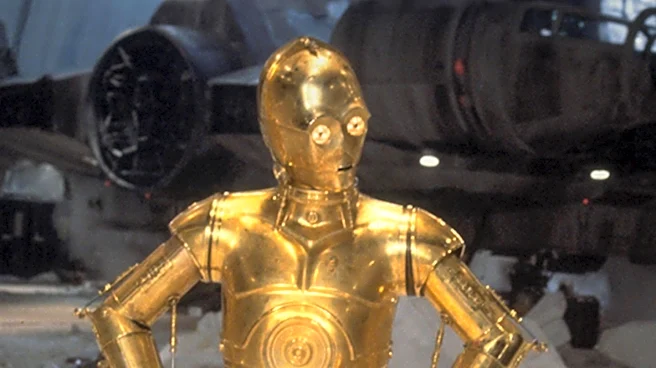
Star Wars trilogy, shared this during an appearance on the Happy Sad Confused podcast with Josh Horowitz. His pitch centered on allowing the market to determine Lucasfilm's value. Fincher also discussed his interest in exploring the relationship between R2-D2 and C-3PO, viewing them as 'slaves who would bear witness to the folly of man' and crucial observers of the Skywalker Saga. He believed their perspective offered a unique moral judgment on the events unfolding around them. This conversation with Kennedy occurred shortly before Disney made its $7 billion offer for Lucasfilm, effectively ending Fincher's IPO concept.
Why It's Important?
Fincher's revelation offers a glimpse into an alternate history for one of the most significant entertainment franchises. Had Lucasfilm gone public instead of being acquired by Disney, its trajectory, creative control, and financial structure could have been vastly different. A public offering would have subjected Lucasfilm to shareholder demands and market pressures, potentially altering its content strategy and expansion plans. The Disney acquisition, in contrast, integrated Star Wars into a larger corporate ecosystem, leading to extensive new film and television productions, theme park expansions, and merchandising efforts. This insight highlights the pivotal moment in Lucasfilm's history and the strategic decisions that shaped the future of the Star Wars universe, impacting its creative direction and commercial exploitation for decades to come.
What's Next?
While Fincher's proposal is now a historical footnote, the discussion underscores the ongoing debate about creative control versus corporate ownership in major franchises. The Star Wars universe continues to expand under Disney's stewardship, with numerous upcoming films and series planned. Future developments will likely continue to be shaped by Disney's corporate strategy, balancing fan expectations with commercial objectives. The hypothetical scenario of a publicly traded Lucasfilm remains a point of speculation for fans and industry observers, prompting reflection on how different ownership models might influence creative output and franchise longevity. The current path involves continued integration within the Disney media empire, with ongoing content development and strategic brand management.
Beyond the Headlines
Fincher's perspective on R2-D2 and C-3PO as 'court reporters' or moral observers offers a deeper thematic interpretation of their roles beyond comic relief or plot devices. This view suggests a more profound narrative function for the droids, positioning them as impartial chroniclers of galactic history and human folly. Such an approach could have led to a more philosophical exploration of the Star Wars universe, focusing on themes of servitude, observation, and the cyclical nature of conflict. It also raises questions about the agency and sentience of artificial intelligence within the Star Wars canon. This interpretation enriches the understanding of the droids' significance and hints at untapped narrative potential that could have been explored under different creative leadership or ownership structures.