







What's Happening?
Essential vitamins and minerals are critical for a child's growth, brain development, and immunity. Key micronutrients include Vitamin A for vision and immune function, Iron for oxygen transport and cognitive development, Calcium and Vitamin D for strong
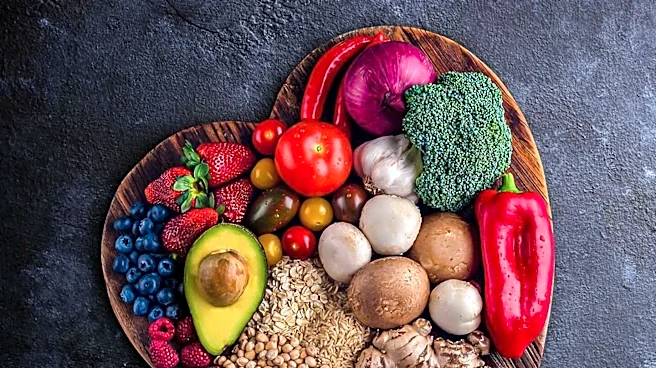
bones, Vitamin C for healing and immune support, Zinc for growth and taste/smell, and Iodine for brain development. While a 'Rainbow Plate' diet rich in diverse foods is the ideal source for these nutrients, supplements may be necessary for picky eaters, children on restricted diets, or those recovering from illness. However, caution is advised, as high doses of some vitamins, like Vitamin A, can be toxic. The importance of fat-soluble vitamins being consumed with fat for better absorption is also highlighted, along with the synergistic relationship between nutrients, such as Vitamin C aiding iron absorption and Vitamin D facilitating calcium uptake.
Why It's Important?
This information is vital for U.S. parents and caregivers, as it provides clear, actionable guidance on ensuring optimal nutrition for children. In a society often exposed to conflicting dietary advice and a plethora of supplement options, understanding the foundational role of a balanced diet is paramount. The emphasis on food sources over supplements, with specific examples of where to find these nutrients, empowers families to make informed choices. The warning about potential toxicity from high-dose supplements underscores the need for professional medical consultation before administering them, protecting children from potential harm. This guidance can help combat nutritional deficiencies that could impact long-term health, cognitive function, and immune resilience, contributing to a healthier future generation in the U.S. It also highlights the role of healthcare providers in offering personalized nutritional screening and advice.
What's Next?
Parents and caregivers are encouraged to focus on providing a diverse, nutrient-rich diet for their children, incorporating a variety of fruits, vegetables, lean proteins, and fortified foods. Pediatricians and nutritionists will continue to offer guidance on individual nutritional needs, especially for children with specific dietary challenges or health conditions. Public health initiatives may reinforce educational campaigns about essential micronutrients and the benefits of whole foods. The supplement industry might face increased scrutiny regarding the marketing of children's vitamins, with a greater emphasis on safe dosages and the necessity of medical consultation. Ongoing research will likely explore the long-term impacts of early childhood nutrition on health outcomes, further refining dietary recommendations and intervention strategies.
Beyond the Headlines
This discussion extends beyond basic nutrition to touch upon broader societal issues such as food access, dietary habits influenced by modern lifestyles, and the role of education in promoting health. The concept of a 'Rainbow Plate' implicitly advocates for food diversity and addresses potential disparities in nutrient intake among different socioeconomic groups. The caution against self-prescribing supplements for children raises ethical questions about parental responsibility and the need for professional medical oversight in pediatric care. It also highlights the challenge of balancing convenience with optimal nutrition in busy family lives. Ultimately, this guidance promotes a proactive approach to child health, emphasizing prevention through diet and informed decision-making, rather than reactive interventions, fostering a culture of wellness from an early age.