





What's Happening?
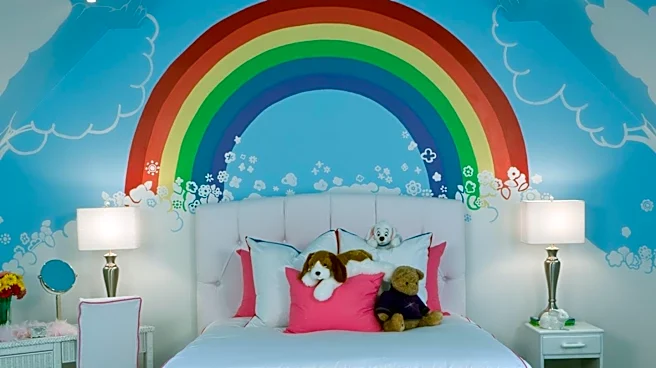
A recent article highlights ten stylish bedroom decorating ideas for girls that focus on creating spaces that grow with them and reflect their personalities. The ideas include creating a reading nook, using textiles to add warmth, and designing a dedicated
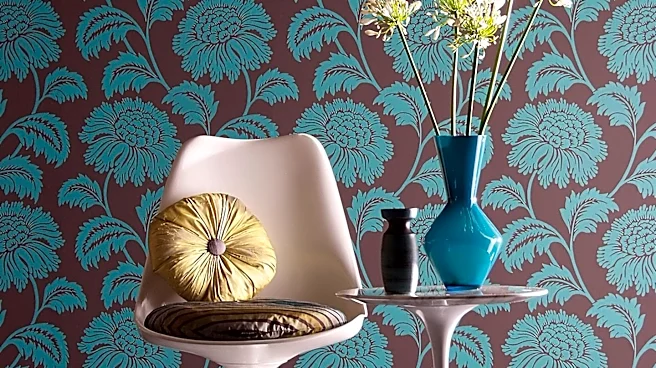
creative space. The emphasis is on allowing girls to choose elements like colors and decor to ensure the room feels personal and inviting. The article suggests using peel-and-stick wallpaper for easy updates and incorporating layered lighting to create a cozy atmosphere. The goal is to design a room that is both functional and reflective of the child's evolving tastes.
Why It's Important?
Personalized bedroom spaces can significantly impact a child's development by fostering creativity and providing a sense of ownership. Allowing children to participate in the design process can boost their confidence and encourage self-expression. These design ideas also emphasize practicality, ensuring that the room can adapt as the child grows, which can save parents time and money in the long run. Additionally, the focus on using sustainable and budget-friendly materials aligns with broader trends towards eco-conscious living, making these ideas accessible to a wider audience.
What's Next?
As more parents adopt these personalized and sustainable design approaches, there may be an increased demand for customizable and eco-friendly home decor products. Retailers could expand their offerings to include more DIY-friendly and adaptable furniture and decor options. Additionally, interior design services might offer more personalized consultations to help families create spaces that reflect their children's personalities. This trend could also influence educational programs, encouraging schools to incorporate design thinking and creativity into their curricula.
Beyond the Headlines
The emphasis on personalization in children's bedroom design reflects a broader cultural shift towards valuing individuality and self-expression. This trend may influence other areas of consumer behavior, encouraging more personalized and customizable products across various industries. It also highlights the importance of creating environments that support mental and emotional well-being, which could lead to increased awareness and advocacy for child-friendly design in public spaces. Furthermore, the focus on sustainable materials and practices may contribute to a growing movement towards environmentally responsible consumerism.