




What's Happening?
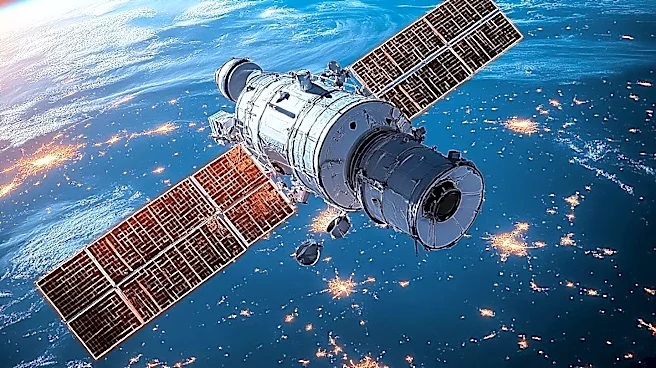
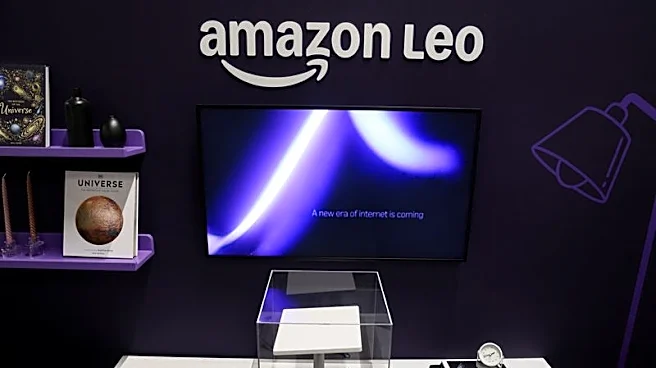
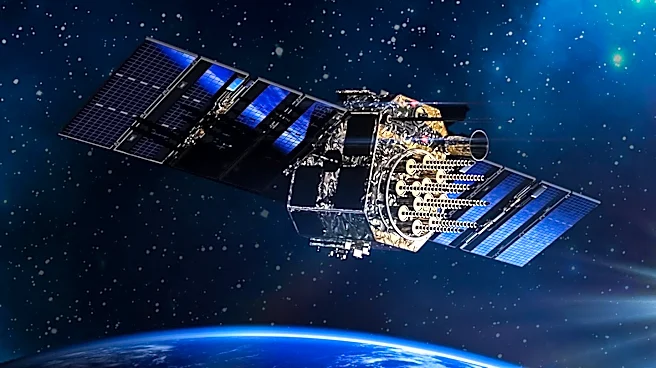
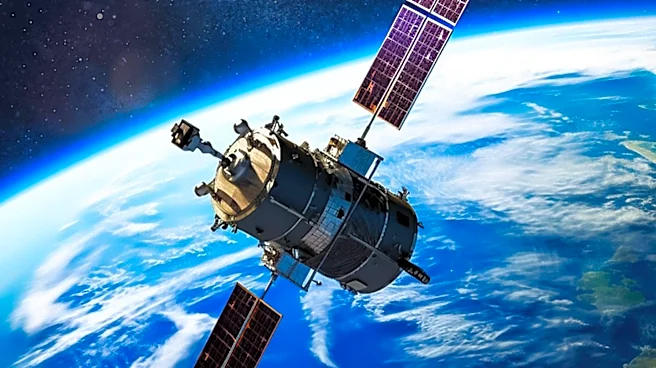
Amazon has announced plans to launch the Amazon Leo Direct-to-Device (D2D) System, a satellite network designed to provide direct connectivity to smartphones and other mobile devices from space. The system will consist of up to 5,105 low Earth orbit satellites,
with deployment set to begin in 2028. This initiative aims to deliver voice, messaging, data, and emergency services to areas that are currently beyond the reach of traditional cell towers. The company has filed an application with the Federal Communications Commission to operate this system. The D2D satellites will process signals in orbit, enhancing performance compared to conventional satellites. Additionally, they will feature optical inter-satellite links for intelligent traffic routing, maximizing coverage and minimizing interference.
Why It's Important?
The Amazon Leo D2D System represents a significant advancement in global connectivity, particularly for remote and underserved areas. By providing direct satellite connectivity to mobile devices, Amazon aims to bridge the digital divide, offering high-speed internet access where traditional infrastructure is lacking. This could have profound implications for disaster response, global fleet management, and remote operations, as well as enabling IoT connectivity in isolated regions. The initiative could disrupt existing telecommunications markets by offering an alternative to ground-based networks, potentially leading to increased competition and innovation in the sector.
What's Next?
As Amazon prepares to deploy its satellite constellation, the company will likely face regulatory scrutiny and competition from other satellite internet providers. The success of the Amazon Leo D2D System will depend on its ability to integrate with existing mobile networks and deliver reliable service. Stakeholders, including telecommunications companies and government agencies, will be closely monitoring the project's progress. The deployment of the satellites and the system's operational readiness will be key milestones in the coming years.